


news
Microprotein revealed to regulate cell stress by study
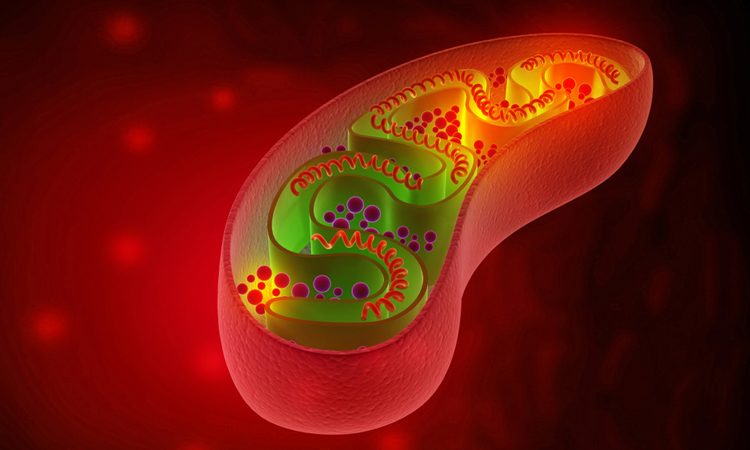
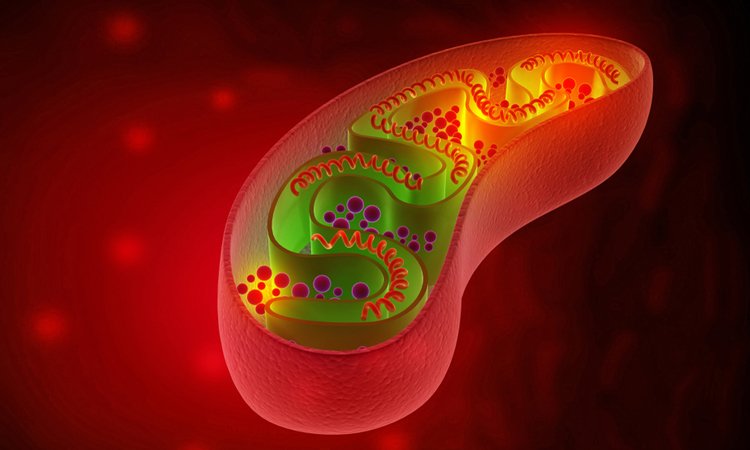
Researchers have discovered a microprotein that acts as a regulator of cell stress, which could be used in developing therapies for a wide range of conditions.
List view / Grid view
A drug target is anything within a living organism to which a drug is directed and/or binds, resulting in a change in its behaviour or function.
Researchers have discovered a microprotein that acts as a regulator of cell stress, which could be used in developing therapies for a wide range of conditions.
A new study has discovered two enzymes which regulate a biological switch that controls the immune system, providing the potential to develop targeted therapies.


Researchers have polymerised oestrogen using a new approach and found it is effective at protecting and regenerating nervous system cells in vitro.


Researchers have discovered a gene in zebrafish that enables them to successfully recover after cardiac damage, which could be used to repair heart tissues in humans.
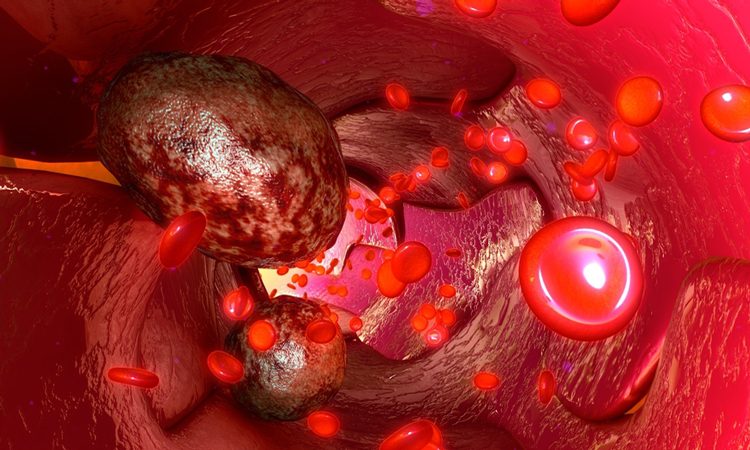
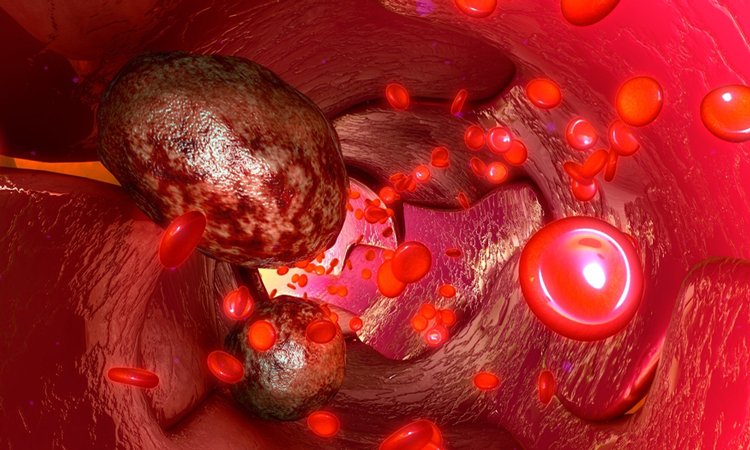
Regulator genes and proteins have been identified on circulating tumour cells in mice which allow them to target other organs in the body.


Researchers have used fullerene compounds to cause NSCLC cell death in cell and animal models, which exhibited low toxicity for healthy cells.


Researchers have discovered a pathway that causes behavioural abnormalities and other hallmarks of autism; they also revealed how to silence this and reverse the symptoms in mice.
Peptide-based nanoparticles have been designed which can suppress pancreatic cancer growth without the toxic side effects.
A new mechanism by which cancer cells become resistant to chemotherapy has been found which could lead to a new target for drugs.


A new study, which has shown that the congenital heart condition LVNC could be be caused by signalling defects, may lead to potential therapies.


A study has demonstrated that the stiffness of cells indicates whether a tumour will spread and inducing this state could help to avoid metastasis.


Whole exome sequencing has been used by researchers to reveal 10 genes implicated in the development of schizophrenia.
The new research shows that astrocytes contribute to Huntington’s disease symptoms, but suppressing a mutation stops the disease from progressing.
A study has found a selective inhibitor for an enzyme that allows cancer cells to mutate and become resistant to treatments.


A drug discovery platform for mental health treatment could also help to identify mechanisms for the treatment of substance use disorders.
