


T cell immune system regulator identified by researchers
Posted: 25 October 2019 | Victoria Rees (Drug Target Review) | No comments yet
A new study has discovered two enzymes which regulate a biological switch that controls the immune system, providing the potential to develop targeted therapies.
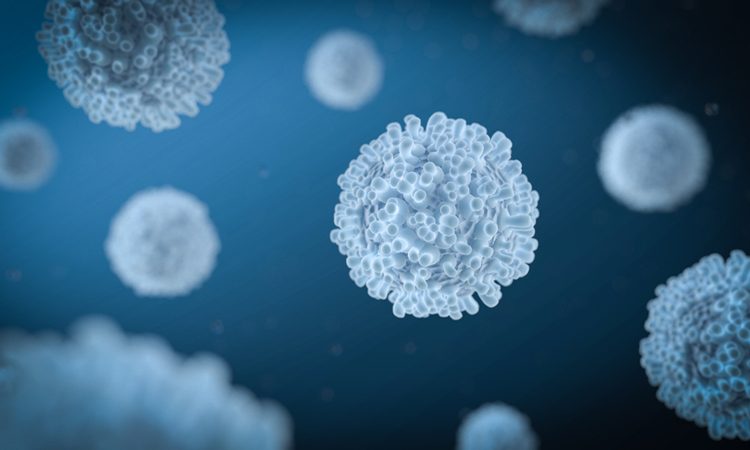
A key biological switch that controls regulatory T cells has been discovered by researchers. The team behind the findings say that their study provides an array of options for drug development.
…mTORC1 controls the immune system, but the mechanisms behind this remained unknown”
The researchers at St Jude’s Research Hospital, US, say that boosting or suppressing the activity of the switch could be used to treat cancer or autoimmune disorders.
Previous studies have shown that mTORC1 controls the immune system, but the mechanisms behind this remained unknown until now.
Drug Target Review has just announced the launch of its NEW and EXCLUSIVE report examining the evolution of AI and informatics in drug discovery and development.
In this 63 page in-depth report, experts and researchers explore the key benefits of AI and informatics processes, reveal where the challenges lie for the implementation of AI and how they see the use of these technologies streamlining workflows in the future.
Also featured are exclusive interviews with leading scientists from AstraZeneca, Auransa, PolarisQB and Chalmers University of Technology.
The researchers studied mice and revealed that two central mTORC1 regulators are enzymes called Rag and Rheb. The models lacking these enzymes developed autoimmune disease, indicating their vital role.
Amino acids that play a major role in activating mTORC1 in regulatory T cells were found to be mediated by Rag and Rheb.
The team say that drugs activating these enzymes could prove as useful treatments for autoimmune diseases; therapies that enhance regulatory T cell function could therefore act as immune regulators.
The study’s results may also be used to improve cancer immunotherapy, according to the researchers.
The findings were published in Immunity.
Related topics
Drug Targets, Immunotherapy, Research & Development, t-cells
Related conditions
Cancer
Related organisations
St Jude’s Research Hospital
