


Selective inhibitor could reduce resistance to cancer therapies
Posted: 16 October 2019 | Victoria Rees (Drug Target Review) | No comments yet
A study has found a selective inhibitor for an enzyme that allows cancer cells to mutate and become resistant to treatments.
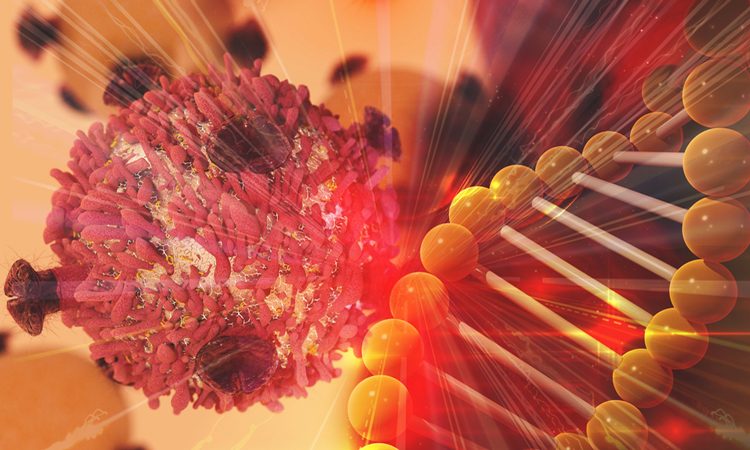
New research has revealed that a new class of drugs to prevent cancer from becoming resistant to treatment could be developed.
The research was conducted at Massey University, New Zealand. The novel therapeutics block an enzyme called APOBEC3B in cancer cells that is responsible for tumours becoming resistant to treatment.
According to the team, APOBEC3B mutates DNA, creating a large genetically diverse pool of cancer cells that allow tumours to evade the effects of the immune system.
Drug Target Review has just announced the launch of its NEW and EXCLUSIVE report examining the evolution of AI and informatics in drug discovery and development.
In this 63 page in-depth report, experts and researchers explore the key benefits of AI and informatics processes, reveal where the challenges lie for the implementation of AI and how they see the use of these technologies streamlining workflows in the future.
Also featured are exclusive interviews with leading scientists from AstraZeneca, Auransa, PolarisQB and Chalmers University of Technology.
In a healthy person, the APOBEC3 family of enzyme combat pathogens, mutating their DNA so that they cannot cause any infection. Cancer cells then use this ability to avoid the immune system.
The researchers say that as APOBEC3B is not an essential part of the body’s immune response, it can be inhibited to support existing cancer therapies. However, the rest of the APOBEC3 group is vital for full immune function so a selective inhibitor is required.
The team were able to create this selective inhibitor using chemically modified DNA molecules. Using APOBEC3 variants that mimic deamination patterns of wild-type enzymes, the researchers showed that APOBEC3B inhibition is possible.
“Drug resistance is a big problem in cancer therapy and targeting cancer evolution will be a key part in solving this problem. We have developed the first selective inhibitor of APOBEC3B, but depending on the progress, it might take five-10 years until this kind of therapy reaches clinical trials,” said lead researcher Professor Vyacheslav Filichev.
The results were published in Organic & Biomolecular Chemistry.
Related topics
Disease research, Drug Targets, Enzymes, Oncology, Targets
Related conditions
Cancer
Related organisations
Massey University
Related people
Professor Vyacheslav Filichev
