

Test Post 27/02/26
27 February 2026 | By
This is a test post following a series of plugin updates on the 27th Feb 2026
List view / Grid view
27 February 2026 | By
This is a test post following a series of plugin updates on the 27th Feb 2026
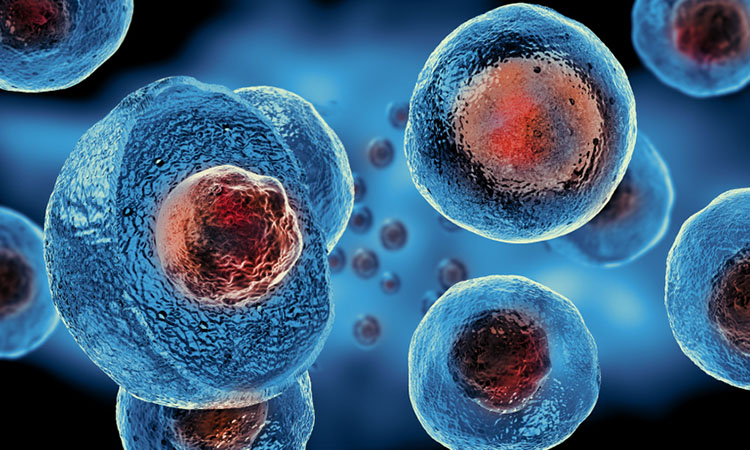
Following Drug Target Review's webinar supported by Eurofins, speaker Dr Verena Albert answers the questions posed by the audience during the live event.
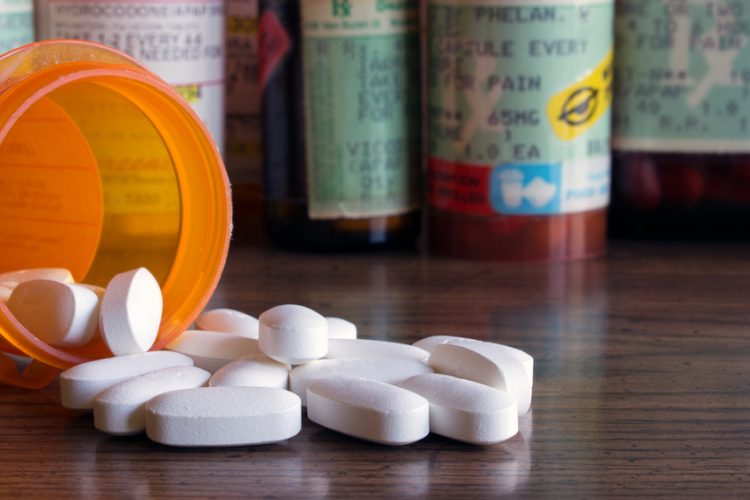
In an exclusive with Drug Target Review, researchers at the University at Buffalo explain how they developed a novel peptide that could be a future treatment for chronic inflammatory pain.
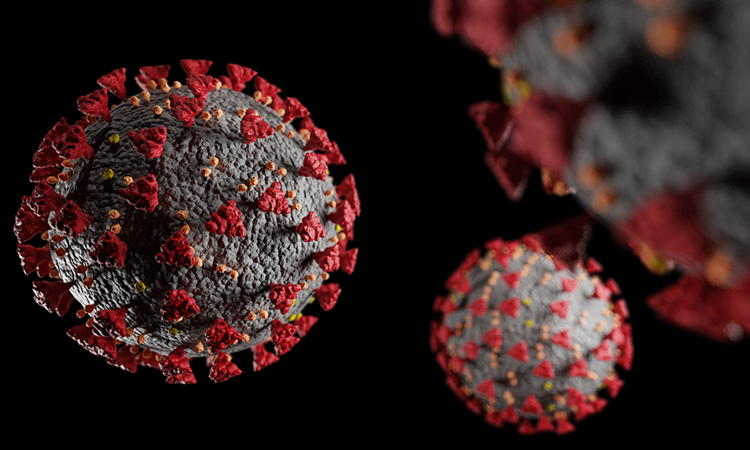
Researchers have visualised SARS-CoV-2 protein dynamics using in silico methods. In this article, Navodya Roemer explains how a team from the University of Warwick developed a computational strategy that could assist scientists in the production of new treatments and drugs for COVID-19.
View Drug Target Review's new infographic on the use of AI and informatics within early therapeutic development here.
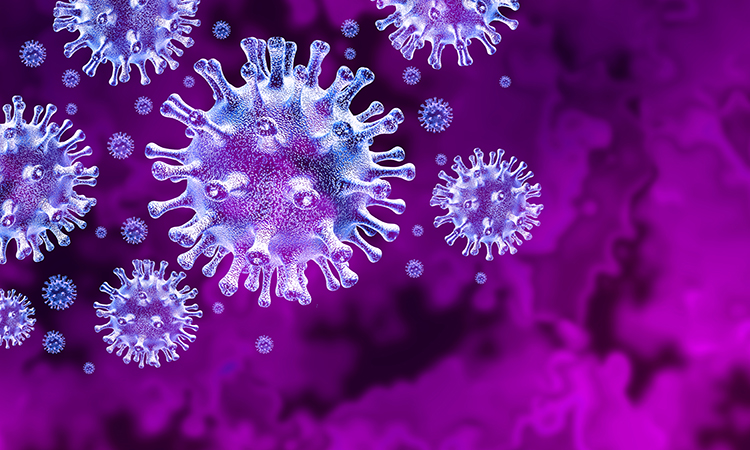
One approach towards efficient drug targeting efforts for COVID-19 is to repurpose medicines developed for other diseases. Here, Professor Christopher Basler outlines a recent study, published in Cell Reports, where scientists from the Institute for Biomedical Sciences at Georgia State University, US, in collaboration with industry partners, developed assays to…
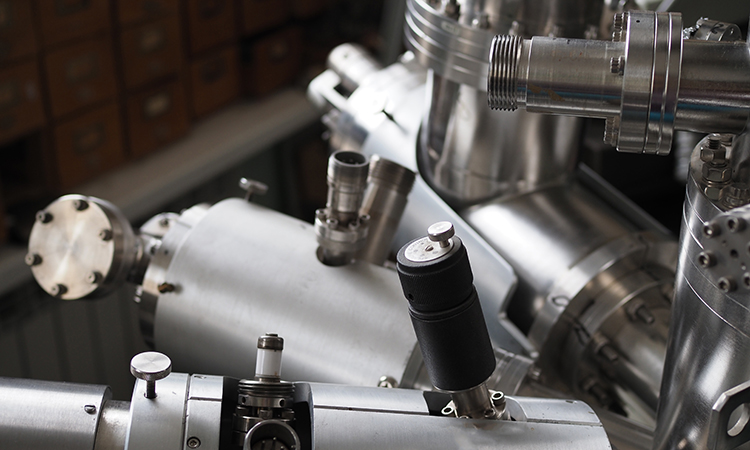
In this article, Professor Forest White, Department of Biological Engineering at MIT, and Dr Lauren Stopfer, Scientist at BioNTech, present a novel assay approach for the rapid, reproducible and accurate identification of potential therapeutic targets using mass spectrometry.
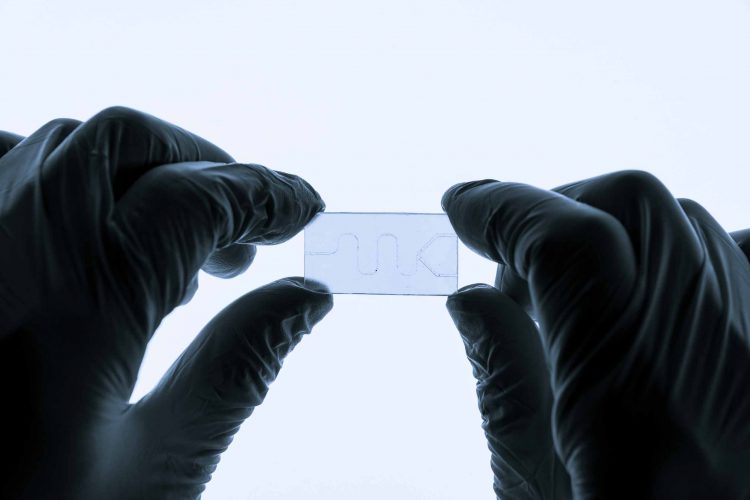
Organ-on-a-chip models can provide an alternative to cell cultures, animal models and traditional assays. In this article, Dr Désirée Goubert, Thomas Olivier, Luuk de Haan and Dr Lenie van den Broek explore the advantages of organ-on-a-chip technologies and how they can enable the in vitro study of three-dimensional (3D) cell migration in…
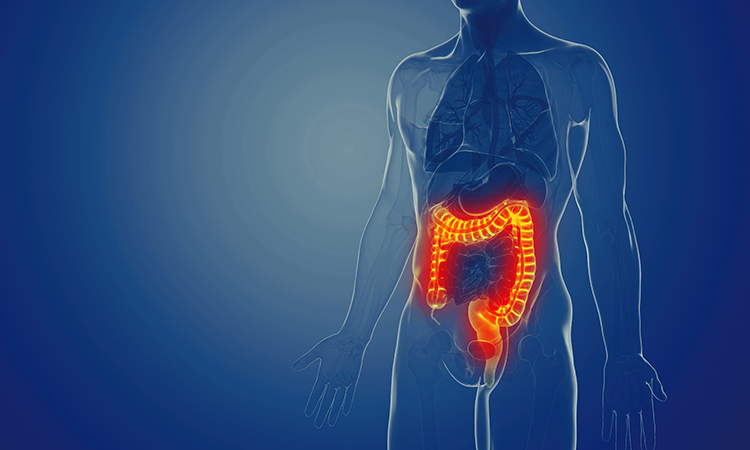
Dr Chetan Karyekar, Compound Development Team Leader at The Janssen Pharmaceutical Companies of Johnson & Johnson (J&J), explains how targeting underlying immune pathways can open the door to effectively treating more inflammatory bowel disease (IBD) patients by reducing or eliminating the chronic use of corticosteroids.
Dr Robert Hewitt explores why a shift is required in the way that biosamples are sourced by the drug discovery industry, including smaller biotech companies.
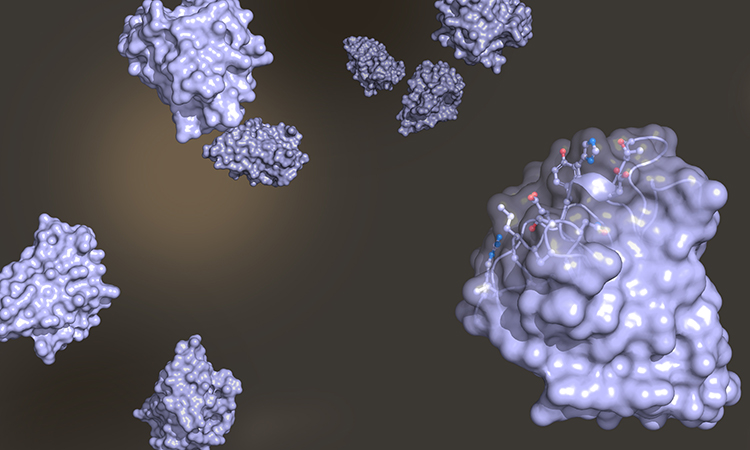
Scientists at the New York University (NYU) Abu Dhabi have used nuclear magnetic resonance (NMR) techniques to determine the structure of a specific nanobody, Nb23. Drug Target Review’s Victoria Rees spoke with lead researcher Professor Gennaro Esposito to find out how their findings could lead to a better understanding of…
CRISPR holds great promise in advancing pharmacological research and has fuelled the rapid expansion of using gene-edited cells for drug discovery processes. CRISPR-Cas9 dropout screens have emerged as a useful tool for high-throughput large-scale loss-of-function screens, which seek to identify the relationship between genotype and phenotype. Dr Pushpanathan Muthuirulan, Research…

Synthetic biology processes can be useful to therapeutic development, diagnostics and vaccine advancement. Drug Target Review’s Victoria Rees spoke with Dr Jim Collins, Termeer Professor of Medical Engineering & Science at MIT and Founding Core Faculty & Lead, Living Cellular Devices at the Wyss Institute at Harvard University, to explore…
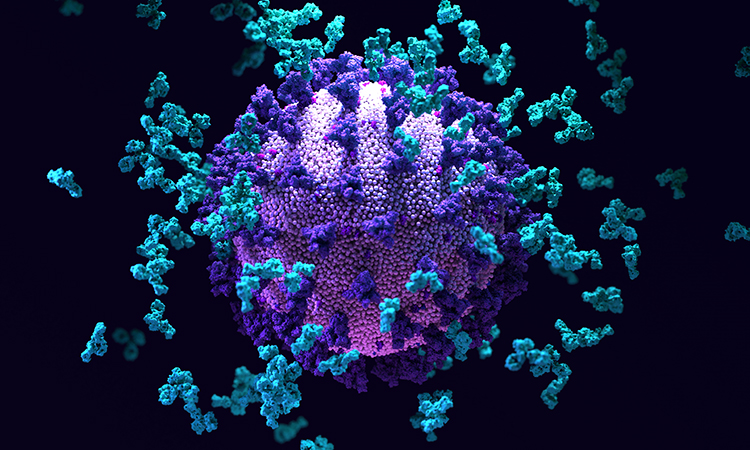
Despite the rapid deployment of vaccines among global populations, therapeutics such as antibodies are still required. Here, Dr Steve Carroll, Vice President of Pre-clinical Sciences at IGM Biosciences, explains how a potential Immunoglobulin M (IgM) antibody treatment has been developed that shows promise for combatting SARS-CoV-2 and variants of concern in pre‑clinical…
