


Polymerised oestrogen shown to protect nervous system cells
Posted: 24 October 2019 | Victoria Rees (Drug Target Review) | No comments yet
Researchers have polymerised oestrogen using a new approach and found it is effective at protecting and regenerating nervous system cells in vitro.
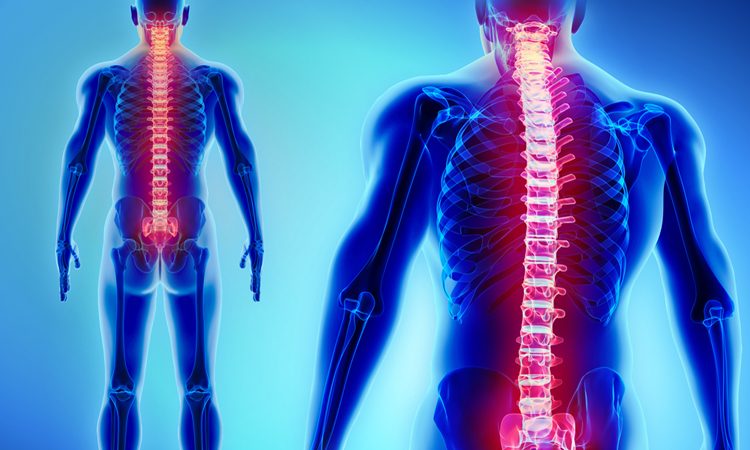
A biomaterial has been developed by researchers which could offer a targeted treatment for patients with damaged spinal cords and tissues, preventing further harm. The study was conducted at Rensselaer Polytechnic Institute, US.
According to the researchers, their approach is more precise than traditional drugs”
The team used a photo-triggered chemical method to synthesise oestrogen into long polymer chains that, when using electric force, could be spun into fibres necessary for implantation along the spinal cord.
Central nervous system (CNS) cells such as neurons and astrocytes were applied to the polymerised oestrogen in vitro.
Drug Target Review has just announced the launch of its NEW and EXCLUSIVE report examining the evolution of AI and informatics in drug discovery and development.
In this 63 page in-depth report, experts and researchers explore the key benefits of AI and informatics processes, reveal where the challenges lie for the implementation of AI and how they see the use of these technologies streamlining workflows in the future.
Also featured are exclusive interviews with leading scientists from AstraZeneca, Auransa, PolarisQB and Chalmers University of Technology.
The researchers found that the polymerised oestrogen acted as a slow-releasing protective and regenerative therapy.
“Oestrogen is known to be neuroprotective,” said Ryan Gilbert, a professor of biomedical engineering at Rensselaer. “After spinal cord injury, you have all these free radicals that are released and cause the injury to increase over time. We’re trying to stop the spread of the injury. It’s more of an acute phase treatment we are looking to develop.”
According to the researchers, their approach is more precise than traditional drugs that can often impact the entire system, inducing side effects in other organs.
“This was the first time polyoestrogen was processed into fibres that showed the ability to enhance the outgrowth of neural cells along the fibre direction without adding growth factors,” said Edmund Palermo, an assistant professor of materials science and engineering at Rensselaer.
The researchers plan to continue investigating their findings in further pre-clinical trials and their approach is now being patented.
The research was published in Nature Communications.
Related topics
CNS, Drug Targets, Regenerative Medicine, Research & Development
Related organisations
Rensselaer Polytechnic Institute
Related people
Edmund Palermo, Professor Ryan Gilbert
