

Map of COVID-19 and human protein interactions reveals drug targets
Posted: 24 March 2020 | Victoria Rees (Drug Target Review) | 1 comment
Researchers have identified which SARS-CoV-2 proteins physically associate with proteins in human cells, revealing potential drug targets to treat the COVID-19 coronavirus.
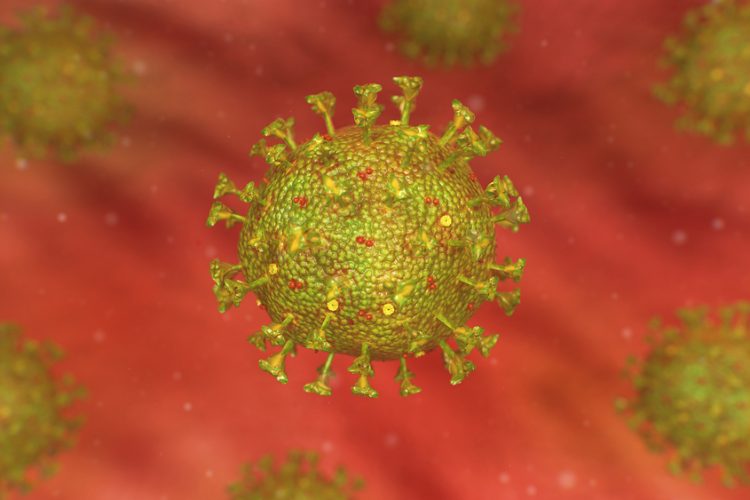
A group of researchers has discovered which proteins in SARS-CoV-2, which causes the COVID-19 coronavirus, associate with proteins in human cells to cause the disease. According to the team, led by scientists at the Gladstone Institute, US, the findings provide potential drug targets for further research.
With regular news updates and feature articles, our COVID-19 hub has everything you need to keep up to date with R&D during the pandemic. Click below to visit:
…the researchers revealed 332 high confidence SARS-CoV-2-human protein-protein interactions”
The researchers in the lab of Dr Nevan Krogan cloned, tagged and expressed 26 of the 29 COVID-19 viral proteins in human cells and identified the human proteins physically associated with each.
Using affinity-purification mass spectrometry (AP-MS), the researchers revealed 332 high confidence SARS-CoV-2-human protein-protein interactions (PPIs). Furthermore, from these they identified 66 druggable human proteins or host factors targeted by 69 existing US Food and Drug Administration (FDA) approved drugs, drugs in clinical trials and/or pre-clinical compounds. These are currently being evaluated by the researchers for efficacy in live SARS-CoV-2 infection assays.
Drug Target Review has just announced the launch of its NEW and EXCLUSIVE report examining the evolution of AI and informatics in drug discovery and development.
In this 63 page in-depth report, experts and researchers explore the key benefits of AI and informatics processes, reveal where the challenges lie for the implementation of AI and how they see the use of these technologies streamlining workflows in the future.
Also featured are exclusive interviews with leading scientists from AstraZeneca, Auransa, PolarisQB and Chalmers University of Technology.
The researchers say that their identification of host dependency factors which mediate virus infection may provide key insights into effective molecular targets for developing broadly acting antiviral therapeutics against SARS-CoV-2 and other deadly coronavirus strains. Additionally, using already-approved drugs could speed up the process of getting treatments to patients.
At the Gladstone Institute, other research groups will now test the effects of the virus and drug candidates in human lung organoids and human heart cells. Dr Warner Greene’s lab will reconfigure an HIV/fusion assay to study the entry of COVID-19 into human cells mediated by the Spike (S) protein on SARS-CoV-2. Using this, the team will then screen a library of FDA-approved drugs to investigate the most promising treatments.
The study was published in bioRxiv.
Related topics
Disease research, Drug Targets, Protein, Protein Expression, Proteomics, Research & Development, Screening, Target molecule, Targets
Related conditions
Coronavirus, Covid-19
Related organisations
Gladstone Institutes
Related people
Dr Nevan Krogan, Dr Warner Greene

This is the most urgent work required globally. Wish it a speedy Approval for therapy.