


Antibody named S309 from SARS patient shows promise against COVID-19
Posted: 20 May 2020 | Victoria Rees (Drug Target Review) | No comments yet
An antibody called S309, identified in a blood sample from a SARS patient, inhibits related coronaviruses, including SARS-CoV-2, researchers have found.
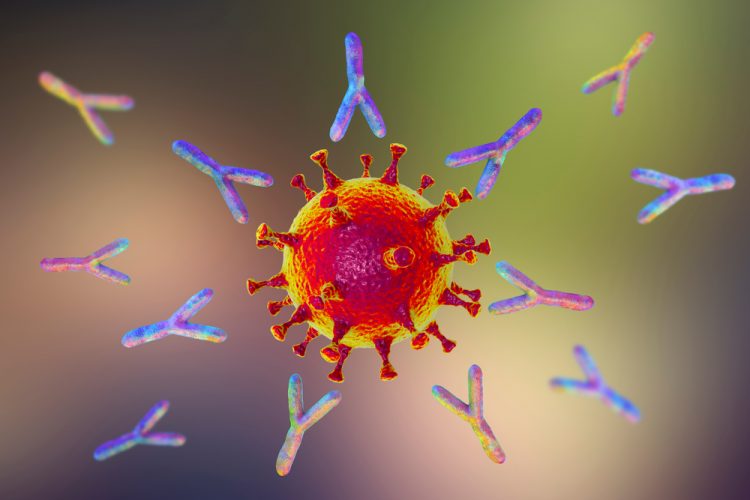
According to new study, an antibody first identified in a blood sample from a patient who recovered from Severe Acute Respiratory Syndrome (SARS) in 2003 inhibits related coronaviruses, including SARS-CoV-2, the cause of COVID-19.
With regular news updates and feature articles, our COVID-19 hub has everything you need to keep up to date with R&D during the pandemic. Click below to visit:
The antibody, called S309, is now on a fast-track development and testing path at Vir Biotechnology in the next step toward possible clinical trials.
“We still need to show that this antibody is protective in living systems, which has not yet been done. Right now there are no approved tools or licensed therapeutics proven to fight against the coronavirus that causes COVID-19,” said senior author on the paper Assistant Professor David Veesler, from the University of Washington School of Medicine, US, where the research was conducted.
Drug Target Review has just announced the launch of its NEW and EXCLUSIVE report examining the evolution of AI and informatics in drug discovery and development.
In this 63 page in-depth report, experts and researchers explore the key benefits of AI and informatics processes, reveal where the challenges lie for the implementation of AI and how they see the use of these technologies streamlining workflows in the future.
Also featured are exclusive interviews with leading scientists from AstraZeneca, Auransa, PolarisQB and Chalmers University of Technology.
The researchers say that this antibody is unique to others currently in development because it comes from a patient who has SARS, rather than someone who had COVID-19.
The scientists identified several monoclonal antibodies (mAbs) of interest from memory B cells of the SARS survivor, which form following an infectious illness. These usually remember a pathogen, or one similar to it, that the body has fought in the past and launch an antibody defence against a re-infection.
Several of the antibodies from the SARS survivor’s memory B cells are directed at a protein structure on coronaviruses. This structure is critical to the coronaviruses’ ability to recognise a receptor on a cell, fuse to it and inject genetic material into the cell. This infectivity machinery is located in the Spike (S) proteins that surround the coronavirus.
The researchers say that the S309 antibody is particularly potent at targeting and disabling the S protein that promotes the coronavirus entry into cells. It was able to neutralise SARS CoV-2 by engaging with a section of the S protein nearby the attachment site to the host cell.
Through their cryo-electron microscopy studies and binding assays, the researchers learned that the S309 antibody recognises a binding site on the coronavirus that is conserved across many sarbocoviruses, not just the SARS and COVID-19 viruses.
The researchers say combining the S309 antibody with other, though weaker, antibodies, enabled the neutralisation of the COVID-19 coronavirus.
This multiple antibody cocktail approach might help limit the coronavirus’ ability to form mutants capable of escaping a single-ingredient antibody treatment, according to the researchers.
The scientists noted that they hope these initial results pave the way for using the S309 antibody, alone or in a mixture, as a preventive measure for people at high-risk of exposure to the COVID-19 coronavirus or as post-exposure therapy to limit or treat severe illness.
The study was published in Nature.
Related topics
Antibodies, Antibody Discovery, Biopharmaceuticals, Drug Targets, Proteomics, Research & Development, Targets, Therapeutics
Related conditions
Coronavirus, Covid-19, Severe Acute Respiratory Syndrome (SARS)
Related organisations
University of Washington School of Medicine, Vir Biotechnology
Related people
Assistant Professor David Veesler
