


Human lung epithelium model being tested as a platform for COVID-19 research
Posted: 9 April 2020 | Hannah Balfour (Drug Target Review) | No comments yet
The developers of the lung epithelium model plan to investigate whether SARS-CoV-2 can infect and replicate in the model to assess whether it could be used in the fight against COVID-19.
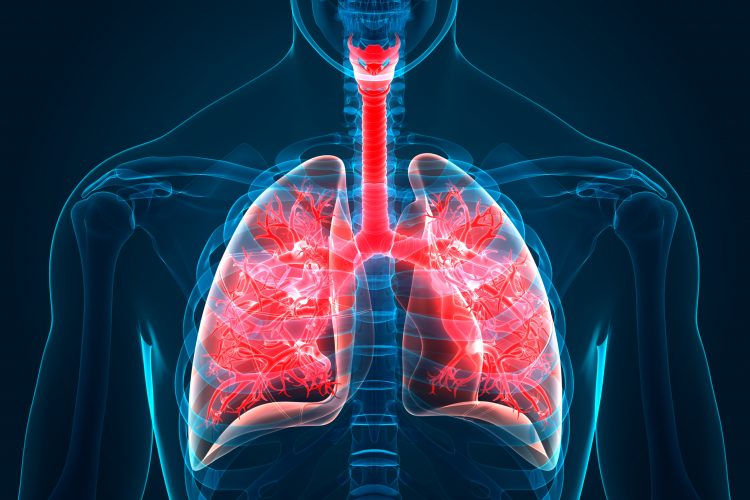
A biotech company has announced they are testing whether their human lung epithelium model could be used as a platform for investigating SARS-CoV-2 infection and developing and evaluating potential antiviral strategies for COVID-19.
With regular news updates and feature articles, our COVID-19 hub has everything you need to keep up to date with R&D during the pandemic. Click below to visit:
Newcells Biotech based their lung epithelium organoid on human induced pluripotent stem cells (hiPSC) and have been developing the model for two years. The model contains basal epithelia, ciliated and secretory cells (goblet and club cells) organised in a stratified epithelium. The company stated it has already confirmed it expresses the mRNA for the angiotensin converting enzyme (ACE2) which SARS-CoV, the coronavirus causing COVID-19, uses to infect cells. It is currently determining whether ACE2 is present on the surface of cells in the model.
Once this is confirmed, the enterprise intends to challenge the model with the virus to confirm it can infect and virally replicate. The company is working with two laboratories to design these protocols.
Drug Target Review has just announced the launch of its NEW and EXCLUSIVE report examining the evolution of AI and informatics in drug discovery and development.
In this 63 page in-depth report, experts and researchers explore the key benefits of AI and informatics processes, reveal where the challenges lie for the implementation of AI and how they see the use of these technologies streamlining workflows in the future.
Also featured are exclusive interviews with leading scientists from AstraZeneca, Auransa, PolarisQB and Chalmers University of Technology.
According to Newcells, before the COVID-19 pandemic it had been developing a hiPSC-derived model of the upper airway for toxicology testing of environmental pollutants. This model has been shown to respond to airborne particles with cytokine responses and changes in gene expression.
The enterprise said it is working rapidly to demonstrate the utility of its assays for COVID-19 research and is interested in working with collaborators.
Related topics
Cell-based assays, Disease research, Drug Development, Drug Discovery, Drug Targets, Immunology, Organoids, Protein Expression, Proteomics, Research & Development, Stem Cells
Related conditions
Coronavirus, Covid-19
Related organisations
Newcells Biotech Ltd
