


Cynomolgus macaques: a promising animal model of COVID-19 infection?
Posted: 17 April 2020 | Hannah Balfour (Drug Target Review) | No comments yet
Researchers comparing the effects of SARS-CoV-2, SARS-CoV and MERS-CoV in cynomolgus macaques suggest they could be an effective animal model for testing COVID-19 therapeutics.
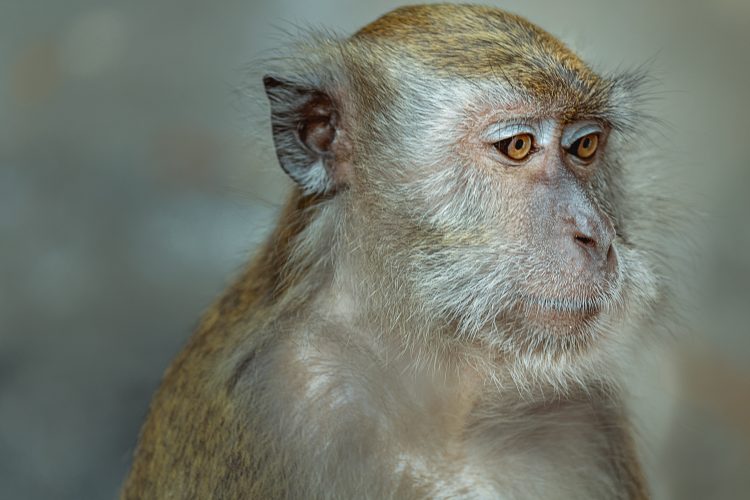
A comparison of how several human coronaviruses, including those which cause COVID-19 (SARS-CoV-2), Severe Acute Respiratory Syndrome (SARS-CoV) and Middle Eastern Respiratory Syndrome (MERS-CoV), develop in cynomolgus macaques suggests they are a promising model for testing COVID-19 treatments.
With regular news updates and feature articles, our COVID-19 hub has everything you need to keep up to date with R&D during the pandemic. Click below to visit:
According to the authors of the paper published in Science, treatments are vital to stop the spread of the COVID-19 pandemic, but for these to be developed and tested, animal models which recapitulate the disease are also required.
In order to understand the pathogenesis and symptoms of SARS-CoV-2, researchers infected young and old cynomolgus macaques with a strain of SARS-CoV-2 isolated from a German traveller returning from China. They also infected macaques with MERS-CoV and compared data from the two experimental groups with historical infection data for SARS-CoV.
Drug Target Review has just announced the launch of its NEW and EXCLUSIVE report examining the evolution of AI and informatics in drug discovery and development.
In this 63 page in-depth report, experts and researchers explore the key benefits of AI and informatics processes, reveal where the challenges lie for the implementation of AI and how they see the use of these technologies streamlining workflows in the future.
Also featured are exclusive interviews with leading scientists from AstraZeneca, Auransa, PolarisQB and Chalmers University of Technology.
According to the researchers, SARS-CoV-2 gave the macaques mild COVID-19-like disease, with little to no symptoms, even as the animals were shedding the virus. They said this is similar to how asymptomatic humans shed SARS-CoV-2.
The team also detected higher levels of viral RNA for a longer duration in older macaques; although, none developed the severe symptoms seen in humans. A further observation was that, unlike SARS-CoV, the animals shed the virus from the respiratory tract very early during infection, a characteristic seen in influenza and a possible reason to explain how COVID-19 spread so quickly across the globe.
The macaques infected with MERS-CoV did not develop notable symptoms during the trial period.
“This study provides a novel infection model which will be critical in the evaluation and licensure of preventive and therapeutic strategies against SARS-CoV-2 infection for use in humans,” write the authors.
Related topics
Disease research, Drug Development, Drug Targets, Research & Development
