




news
Boosting immune cells could provide TB treatment
A new study has identified a class of immune cells that respond to tuberculosis, indicating a drug target for the condition.
List view / Grid view
A drug target is anything within a living organism to which a drug is directed and/or binds, resulting in a change in its behaviour or function.
A new study has identified a class of immune cells that respond to tuberculosis, indicating a drug target for the condition.


New research has identified an enzyme which causes degradation of dendritic spines, pointing to a drug target for Alzheimer’s.
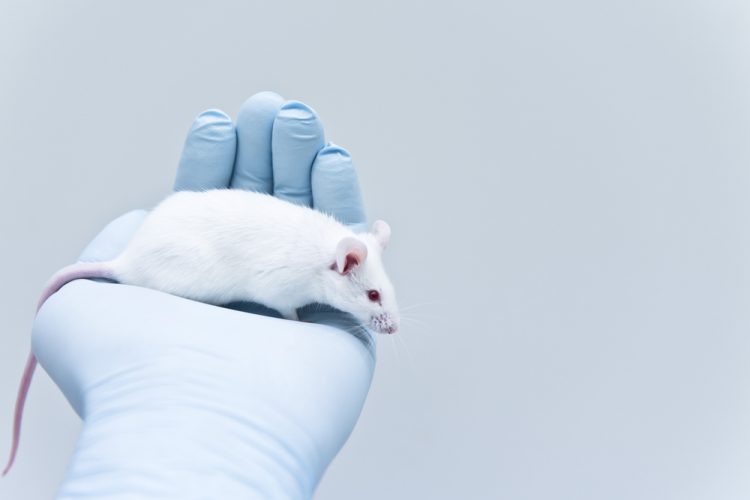
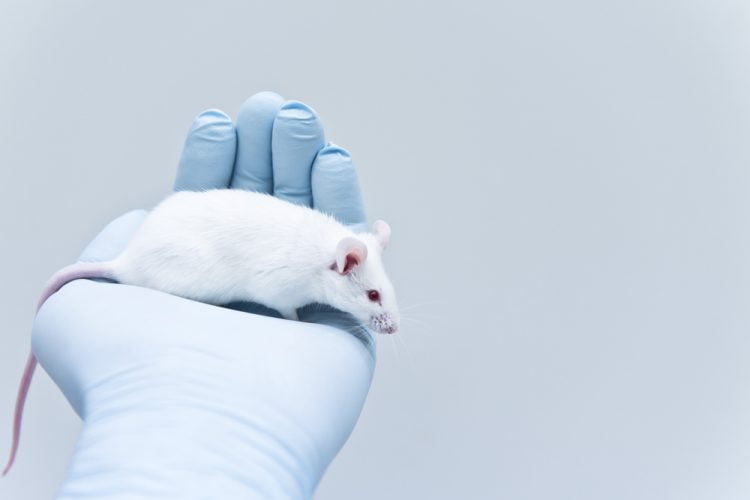
Researchers have announced a humanised mouse model which can be used in drug development processes.
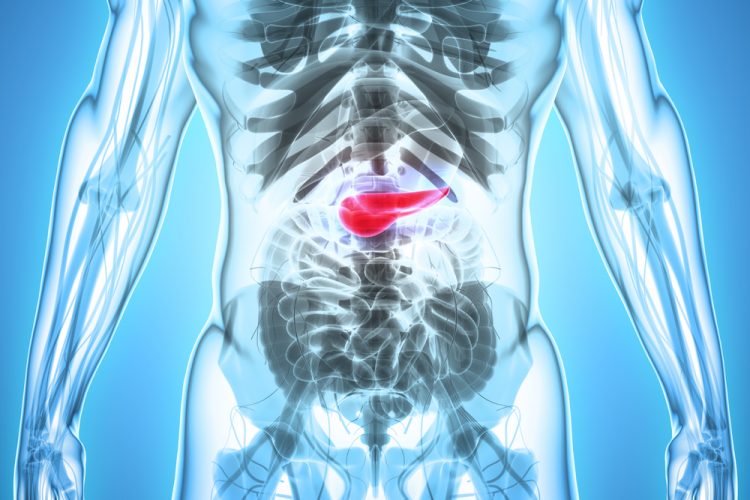
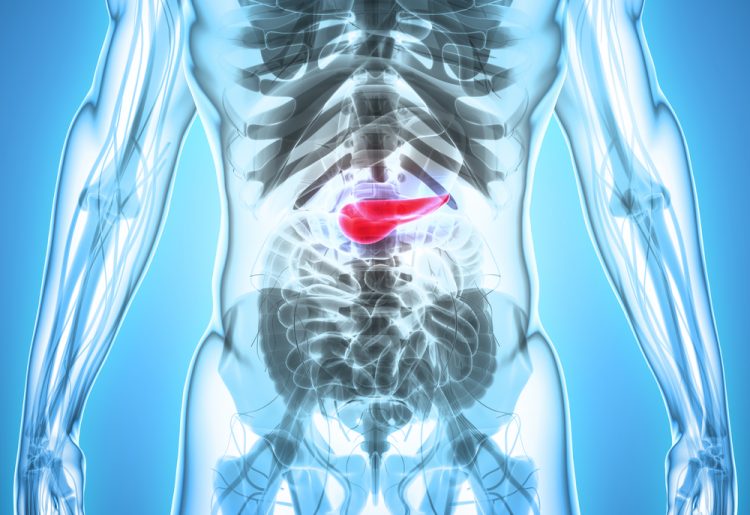
A study has discovered that a biomarker associated with pancreatitis is involved in its development to pancreatic cancer.
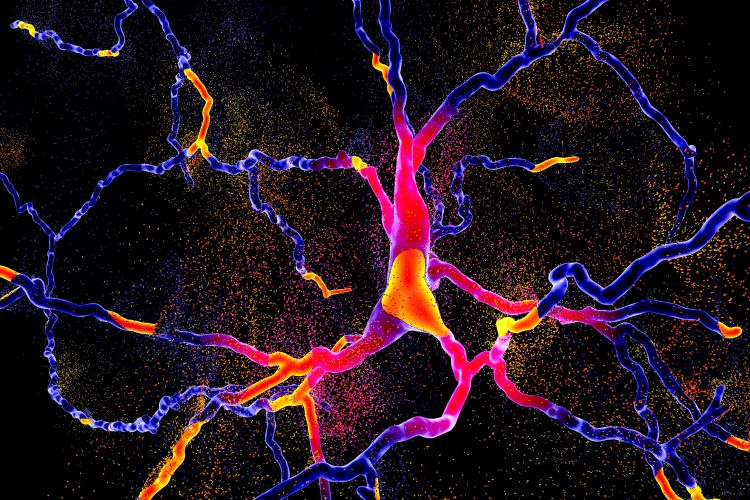
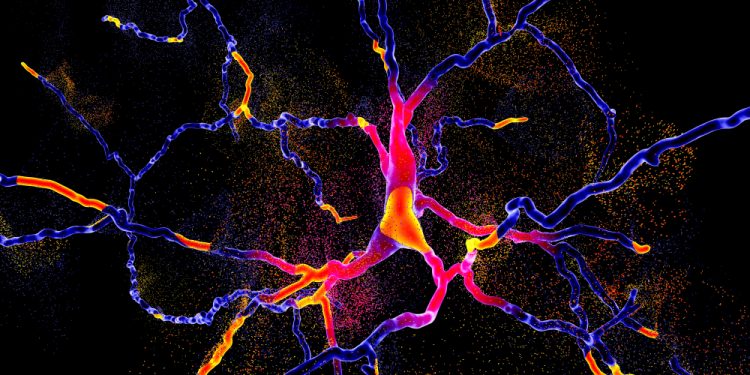
A new study has found an enzyme in the brains of mice models which induces Parkinson’s, suggesting future drug target.
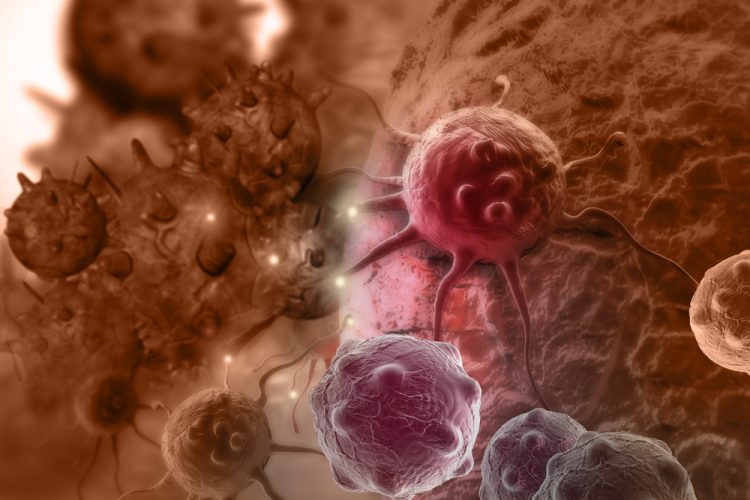
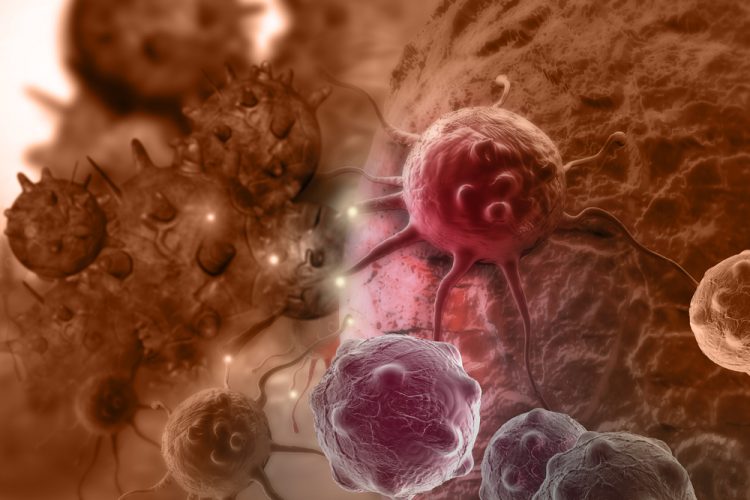
A recent study has identified the DBC1 gene which leaves cancer cells more exposed to therapies.


A new study has shown that there are two populations of cells in the gut which leads to drug development potential.


Researchers have successfully created a multi-organ in vitro model to test toxicity and efficacy of drugs.


Researchers have found an enzyme and its counterpart which inhibit T-cells from attacking tumour cells.


A study has reported that genes delivered to rhesus monkeys are still being expressed four years later.


A new study has identified a key molecule involved in Lyme arthritis which presents options for preventative therapies.
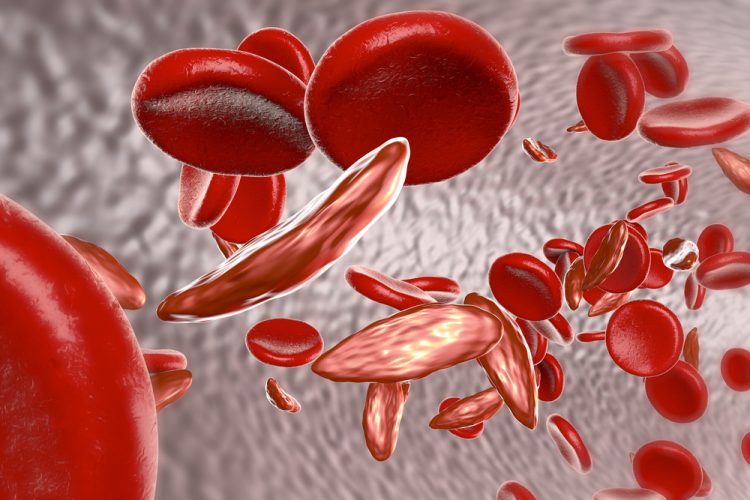
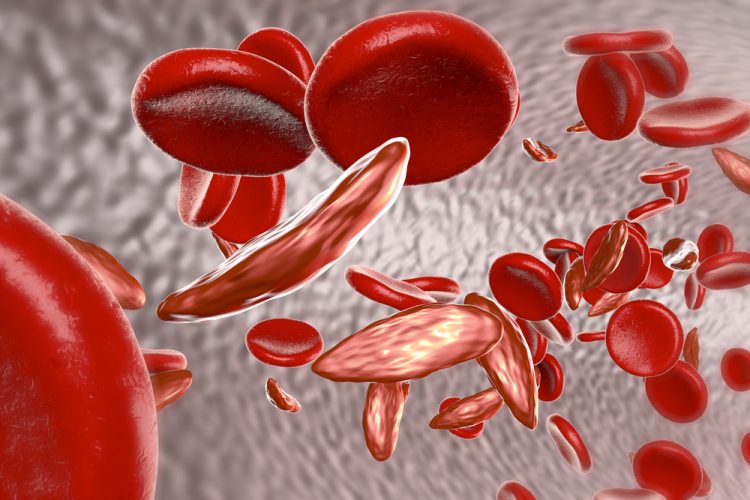
Researchers announce positive pre-clinical results for two sickle cell disease treatment strategies.
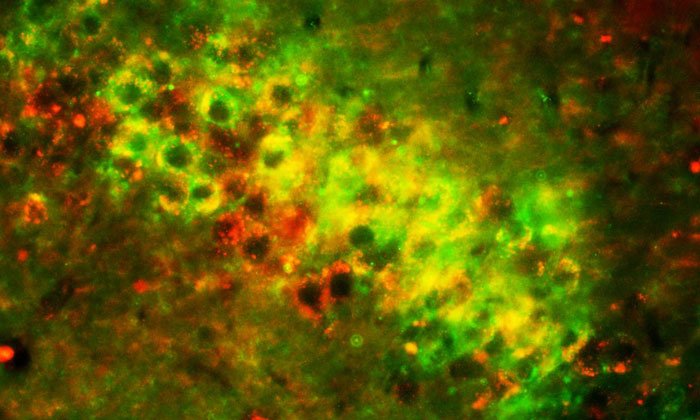
New study finds a promising antagonist that blocks specific interaction between the protein apoE and amyloid precursor protein.
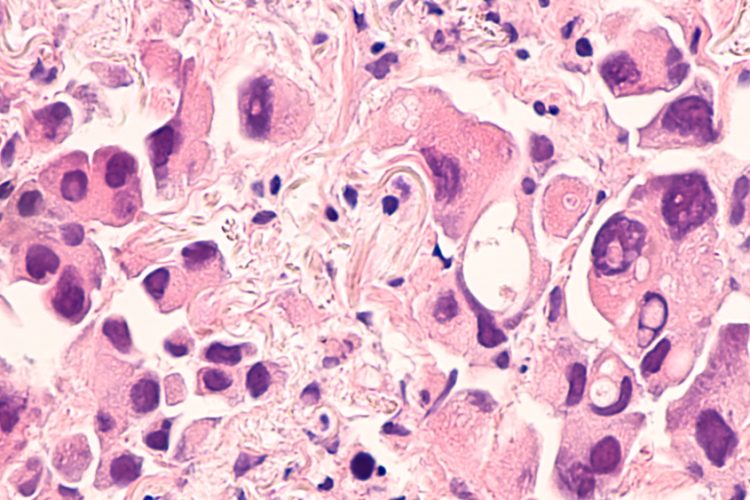
Researchers have found two biomarkers which play a significant role in the invasion of tumours by T-cells.


Researchers have been able to image noroviruses, providing significant information for the development of therapeutics.
