


Gene discovery could make cancer therapies more effective
Posted: 25 June 2019 | Victoria Rees (Drug Target Review) | No comments yet
A recent study has identified the DBC1 gene which leaves cancer cells more exposed to therapies.
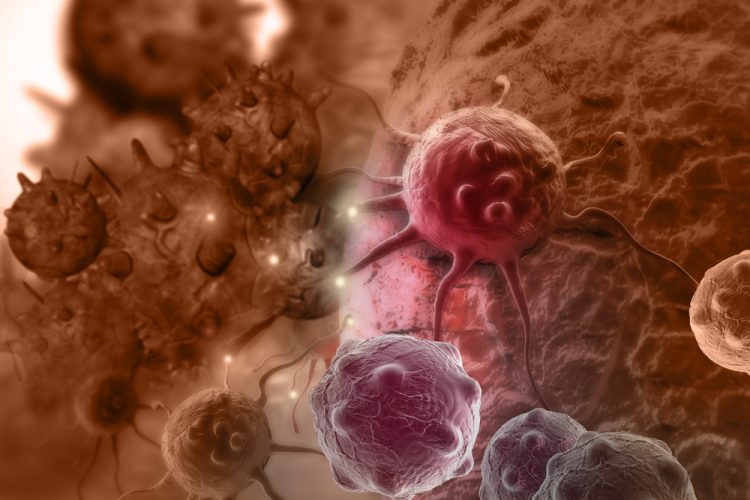
A study has discovered that loss of a specific protein in breast cancer cells leads to the dysregulation of normal anti-cancer functions, contributing to cancer cell growth and resistance to therapies. Restoring expression of this protein could help to prevent the development of cancer and increase the effectiveness of cancer treatments, the researchers report.
The team at the Massey Cancer Center, Virginia, used mass spectrometry for their investigation. They analysed proteins which interact with processes that regulate the gene p53, which suppresses the development of cancer and is dysregulated in many cancer types.
“We screened for…[interactions] with a protein within the nucleus of cells called CREB binding protein (CBP) that is known to regulate the gene p53. We found one of the proteins discovered in this screen called DBC1 is critical to maintaining the levels and activity of p53 and the gene encoding for this protein is frequently deleted in breast cancer cells,” says the study’s lead author Dr Steven R. Grossman, deputy director of the Massey Cancer Center.
Drug Target Review has just announced the launch of its NEW and EXCLUSIVE report examining the evolution of AI and informatics in drug discovery and development.
In this 63 page in-depth report, experts and researchers explore the key benefits of AI and informatics processes, reveal where the challenges lie for the implementation of AI and how they see the use of these technologies streamlining workflows in the future.
Also featured are exclusive interviews with leading scientists from AstraZeneca, Auransa, PolarisQB and Chalmers University of Technology.
Previous research has shown that the CBP works with another protein known as MDM2 to maintain p53 levels in cells. The researchers used this to discover that DBC1 regulates CBP and therefore plays an essential role in maintaining p53 activity and abundance in normal cells.
“Restoring the function of DBC1 could potentially make tumours more susceptible to current cancer treatments and help prevent further cancer growth,” says Grossman.
The scientists used human breast cancer cell lines and mouse models to test their findings. They discovered that DBC1 levels decrease in response to cellular stress. This drop in DBC1 decreased p53 levels, making the cells resistant to p53-mediated apoptosis, a form of controlled cell suicide. Many cancer drugs work by inducing apoptotic cell death.
The team showed that maintaining DBC1 levels in cancer cells exposed to cisplatin caused a substantially increased response to the drug.
“This shows that cancer cells have developed finely tuned responses to control DBC1 levels in order to avoid exaggerated apoptotic responses,” says Grossman. “We’re hopeful we can intervene in these processes and develop new strategies that increase the effectiveness of therapies for a variety of cancers shown to have dysregulated DBC1 levels, such as breast, lung and prostate cancers.”
The findings were published in Cell Reports.
Related topics
Drug Development, Drug Targets, Gene Therapy, Mass Spectrometry, Protein, Screening
Related conditions
Cancer
Related organisations
Cell Reports, Massey Cancer Center
Related people
Steven R. Grossman
