


news
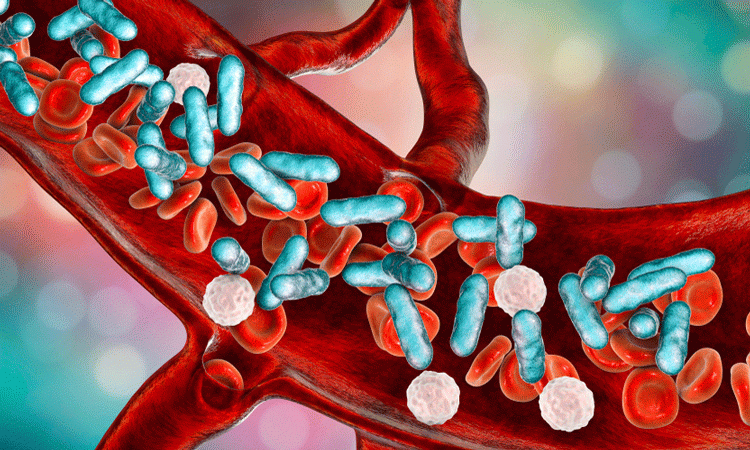
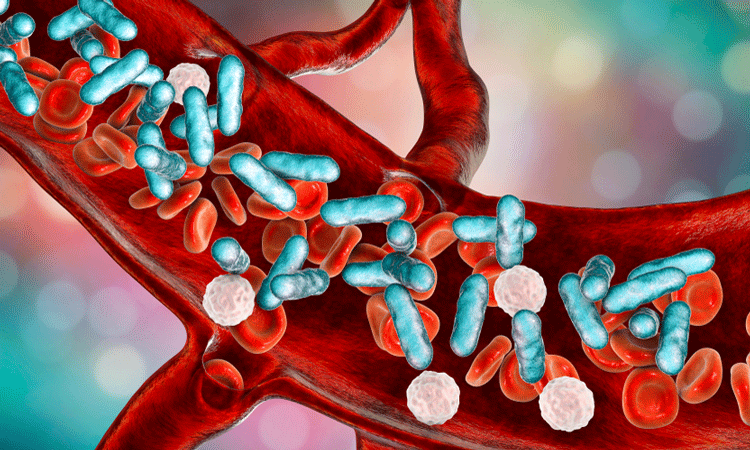
Genes linked to cell survival during sepsis identified
Researchers have found a set of genes which helps cells survive during sepsis in mice and could inform potential treatments for the condition.
List view / Grid view
A drug target is anything within a living organism to which a drug is directed and/or binds, resulting in a change in its behaviour or function.
Researchers have found a set of genes which helps cells survive during sepsis in mice and could inform potential treatments for the condition.
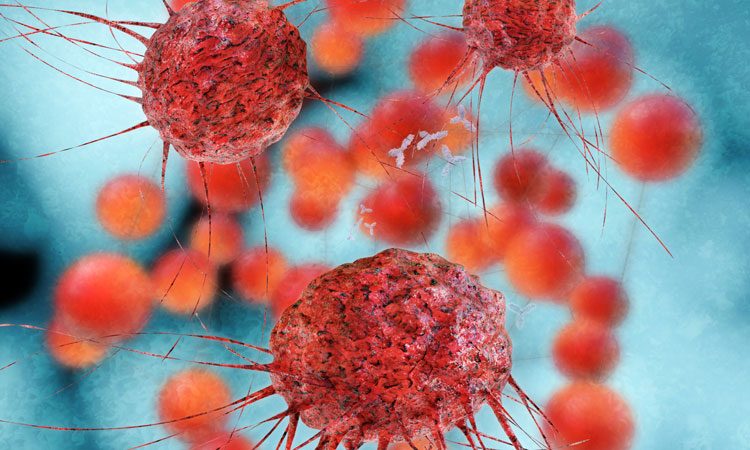
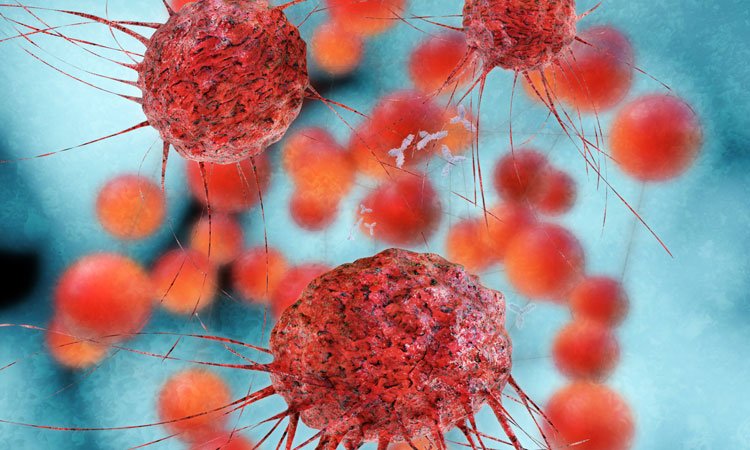
An antibody has been developed to block a protein secreted by the cells surrounding ovarian and pancreatic cancer tumours.

CD4+ T-cells play a central role in directing adaptive immune responses against invading microbial pathogens.

Immune cell isolation and culture are necessary for both basic research aimed at investigating the functions of different immune cell types, and for expanding specific immune cell populations for therapeutic purposes.
In figures released by the Home Office, the use of animal models has decreased down to 3.52 million procedures in 2018.


A study has discovered that the damage of projection neurons in the brain is caused by immune cells, leading to MS.
A protein has been discovered as key for effective chemotherapy, meaning improved treatments for chemotherapy resistance can be developed.
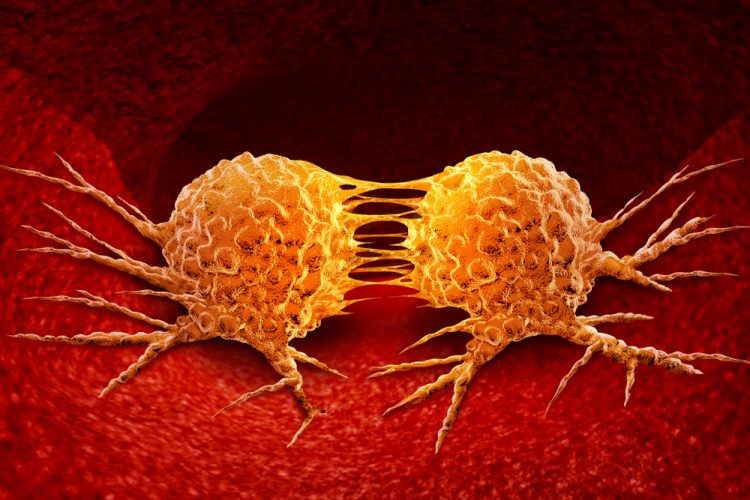
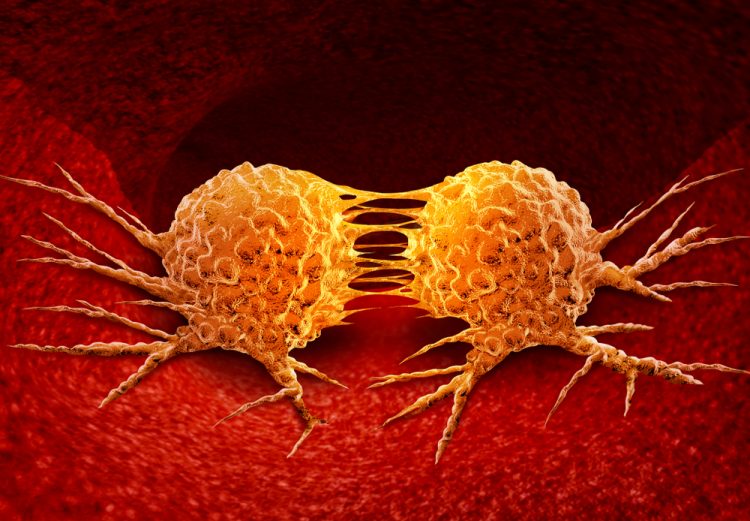
A study has identified a gene key in the spread of cancer, which could point to improving treatments for the condition, say the researchers.


Researchers have discovered that macrophages are a key cause for pain in women with endometriosis so could be a treatment target for the condition.
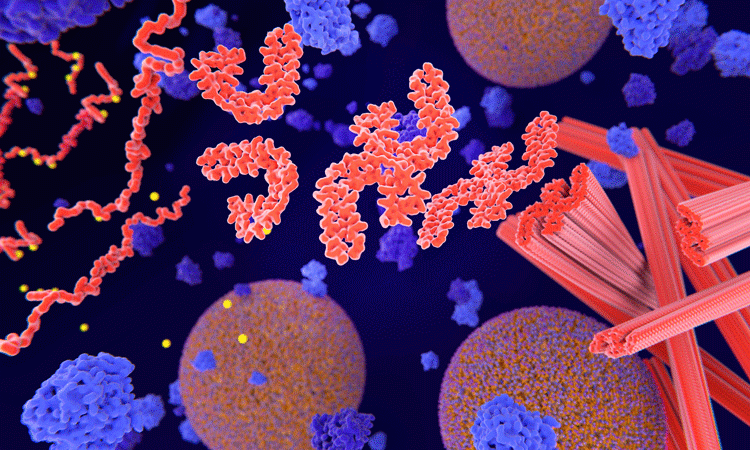
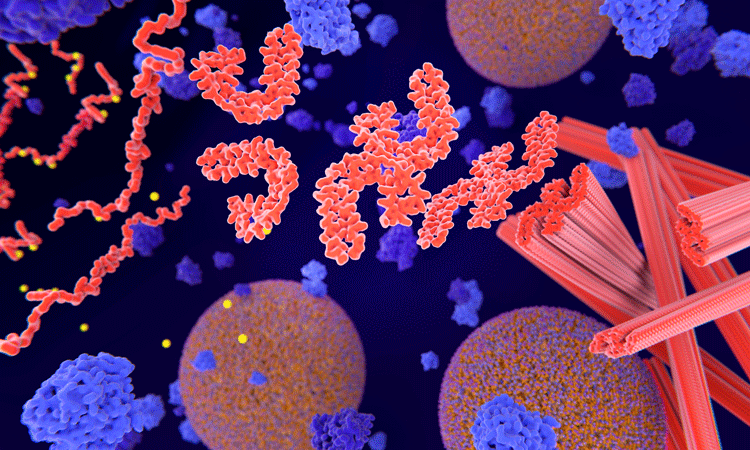
Researchers have discovered that the VPS35 molecule can be utilised in preventing neurodegenerative disorders.
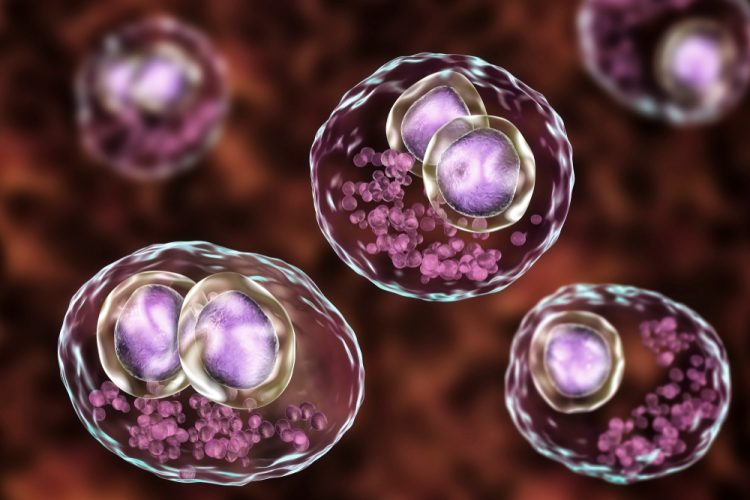
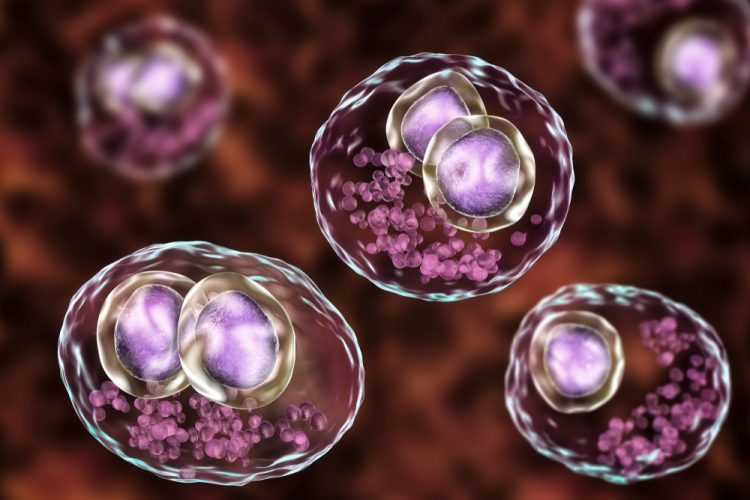
A study has revealed the role of a protein which enables human cytomegalovirus to spread, the number one cause of congenital birth defects in the world.
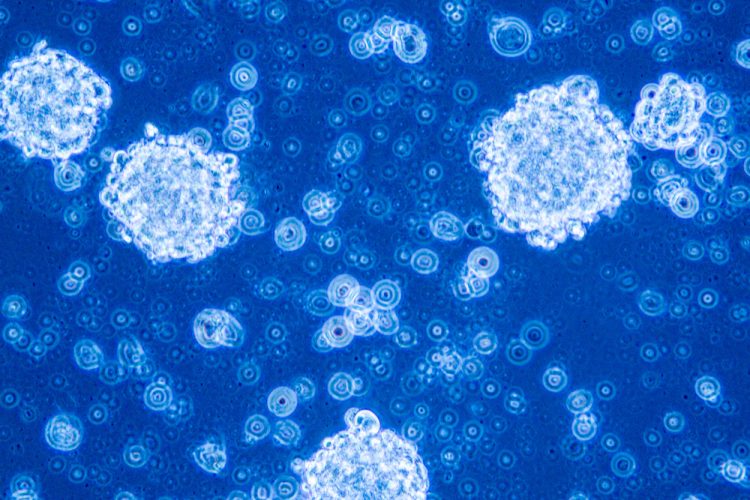

Researchers have discovered that inhibiting the ID1 protein slows the growth of glioblastoma tumours and reduces resistance to chemotherapy.
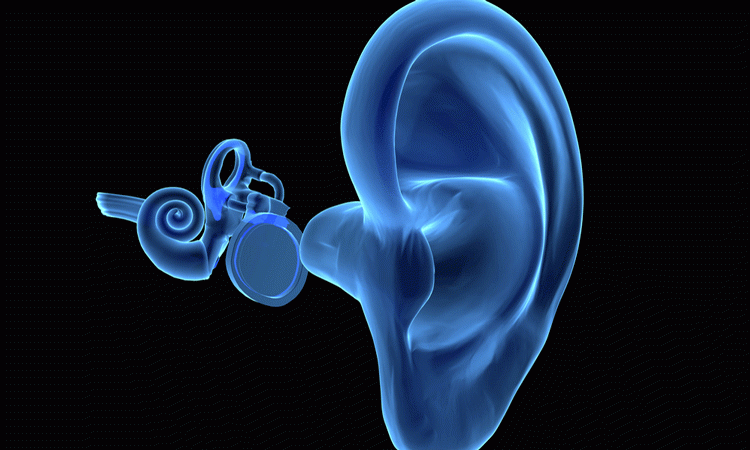

Researchers have discovered a potential treatment for vestibular conditions such as dizziness in animal models.
The use of models is a key feature of preclinical studies and in recent months there have been several new advancements in this area. This article investigates five of the latest developments.
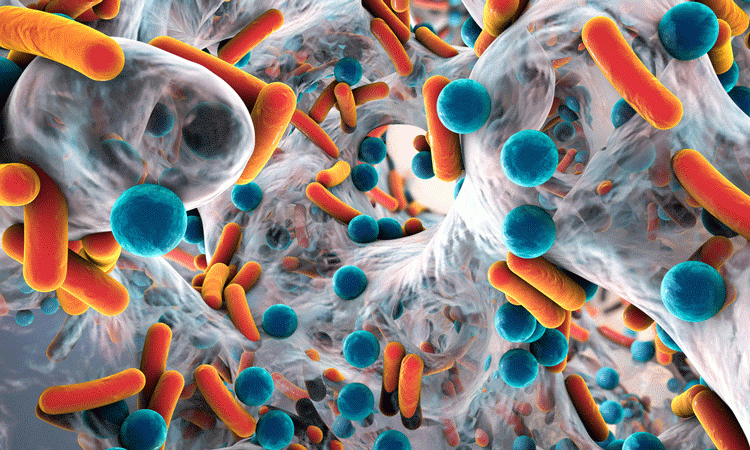
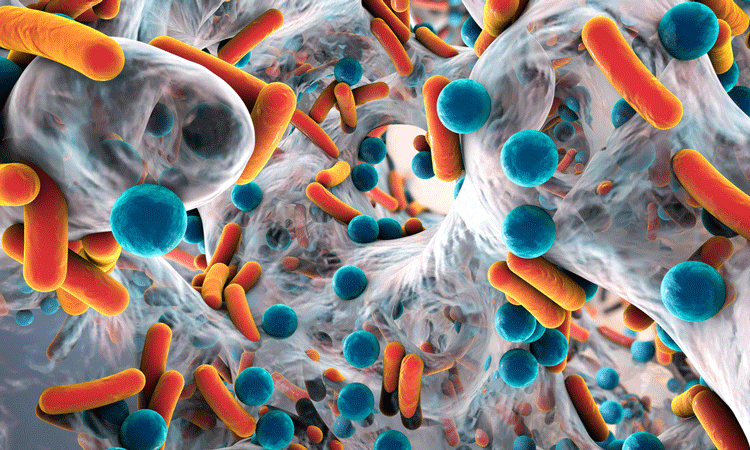
Using a novel technique, researchers have created new molecules effective at killing bacteria, providing new antibiotic drug targets.
