


Promising drug developed for ovarian and pancreatic cancers
Posted: 22 July 2019 | Drug Target Review | No comments yet
An antibody has been developed to block a protein secreted by the cells surrounding ovarian and pancreatic cancer tumours.
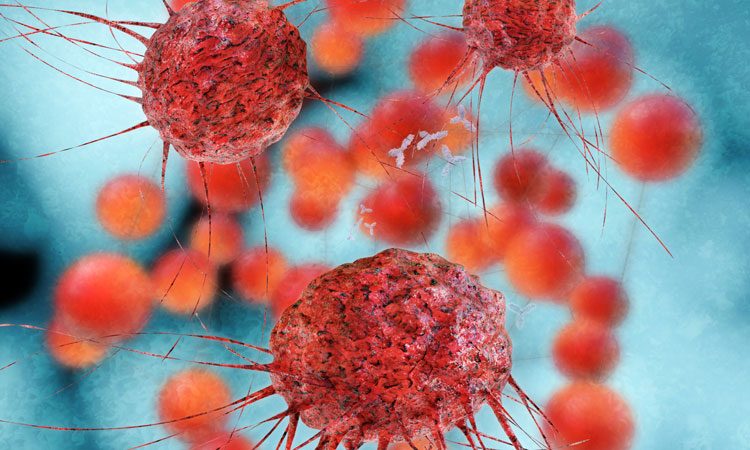
Researchers have reported that a new type of immunotherapy has been discovered to fight ovarian and pancreatic cancer.
Stephen TC Wong, PhD, from Houston Methodist Cancer Center, Samuel Mok, PhD, from The University of Texas MD Anderson Cancer Center and colleagues have developed a monoclonal antibody to block the action of a protein secreted by the cells surrounding and supporting tumours in ovarian and pancreatic cancers, called MFAP5.
This protein is found at high levels in patients with both these cancers and associated with decreased survival rates.
Drug Target Review has just announced the launch of its NEW and EXCLUSIVE report examining the evolution of AI and informatics in drug discovery and development.
In this 63 page in-depth report, experts and researchers explore the key benefits of AI and informatics processes, reveal where the challenges lie for the implementation of AI and how they see the use of these technologies streamlining workflows in the future.
Also featured are exclusive interviews with leading scientists from AstraZeneca, Auransa, PolarisQB and Chalmers University of Technology.
“We found that blocking MFAP5 enhances the effectiveness of chemotherapy treatments and suppresses tumour growth in ovarian and pancreatic cancers, as well as inhibits progression of these two cancers in mice,” said Wong. “This new immunotherapy drug targets supporting cells surrounding a tumour rather than just the tumour cells alone. This tumour microenvironment contains newly developed blood vessels and fibrous connective tissue – created through the processes of angiogenesis and fibrosis – that feed and support the tumour.”
MFAP5 has been shown to trigger the formation of these surrounding elements that supply and stimulate the tumour, influencing how it grows and spreads. Blocking it prevents new blood vessels and excess tissue from forming within the micro-environment, thereby cutting off the tumour’s blood supply and support.
“MFAP5 promotes fibrosis in ovarian and pancreatic cancers, and fibrosis promotes progression, chemoresistance and reduces survival of people with these cancers,” Mok explained. “By blocking this secretory protein with an antibody, we can treat the tumour by targeting multiple cellular types – fibroblasts and blood vessels – in the tumour micro-environment.”
The researchers are now in the process of designing and generating a humanised anti-MFAP5 antibody for further development as a therapeutic agent to treat ovarian and pancreatic cancers. Wong said they expect to have it ready by the end of the year for efficacy and toxicity testing, followed by a Phase I clinical trial in the following year: “The convergence of biological science, computational science and engineering has allowed us to achieve such translational discovery,” concluded Wong.
The study was published online in the journal Clinical Cancer Research.
Related topics
Antibodies, Drug Discovery, Drug Targets, Protein, Research & Development
Related conditions
Ovarian cancer, Pancreatic cancer
Related organisations
Clinical Cancer Research, Houston Methodist Cancer Center, The University of Texas MD Anderson Cancer Center
Related people
Samuel Mok PhD, Stephen TC Wong PhD
