


news
Collaboration to discover MND treatments announced
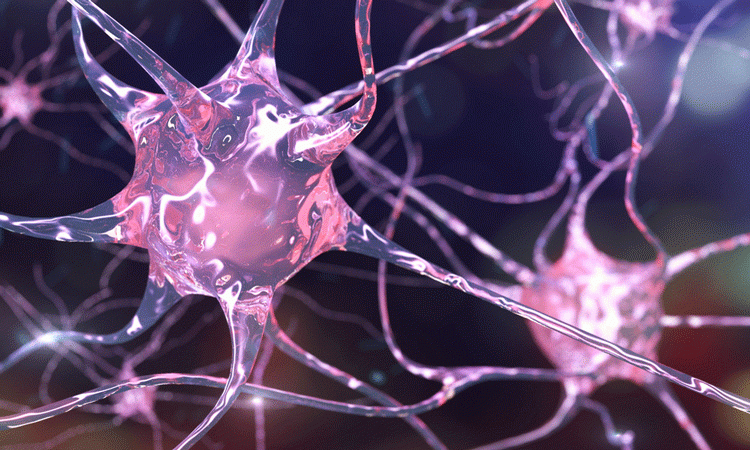
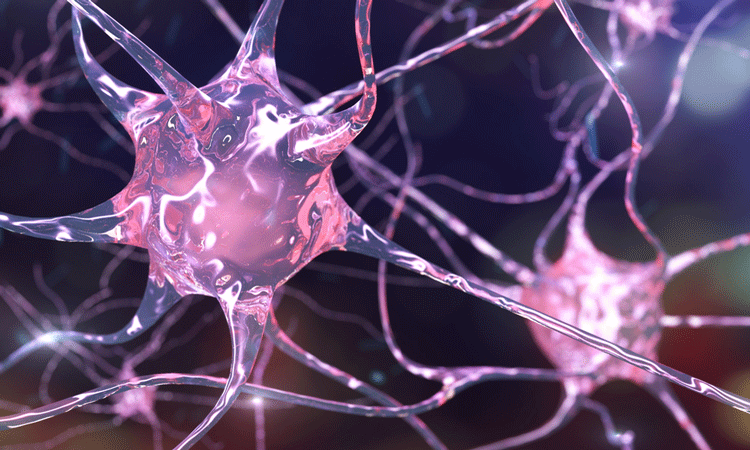
MSD and the Francis Crick Institute will work together on a project to identify disease targets for motor neuron disease.
List view / Grid view
A drug target is anything within a living organism to which a drug is directed and/or binds, resulting in a change in its behaviour or function.
MSD and the Francis Crick Institute will work together on a project to identify disease targets for motor neuron disease.
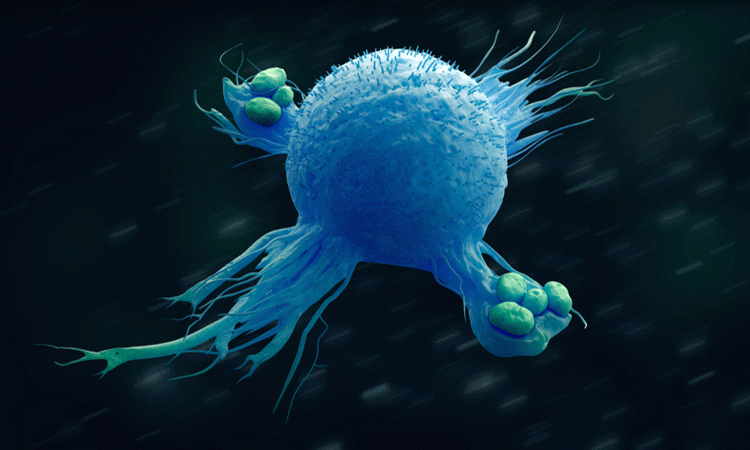
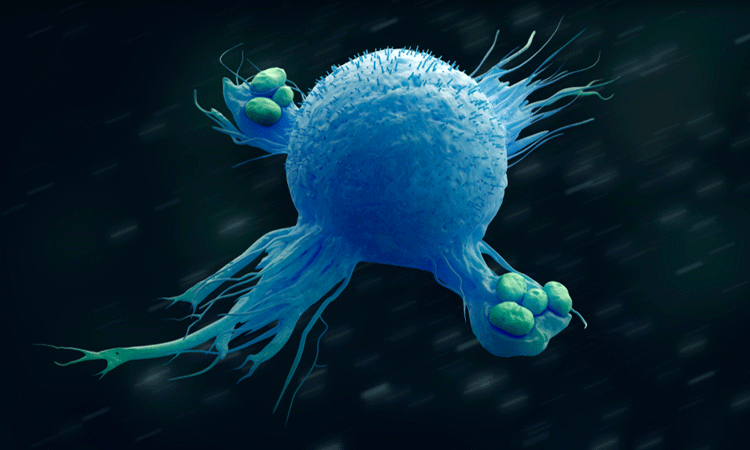
Researchers have discovered the roles that immune cells play in tumour growth and breast cancer immunotherapy which could aid in drug development.


AI has applications in many areas of research, including genomics. Slavé Petrovski of AstraZeneca reveals how AI is used in the study of the human genome and how it may evolve in the future.


A ‘bronchi-on-a-chip’ has been created by researchers to identify the processes of bronchospasms which could aid in respiratory disease therapies.
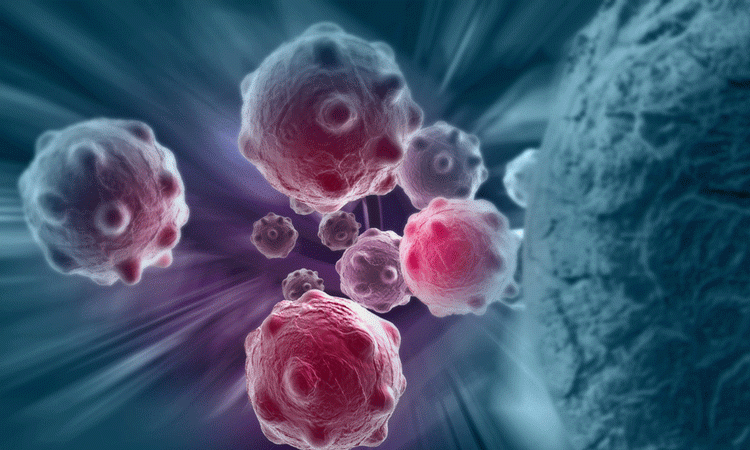
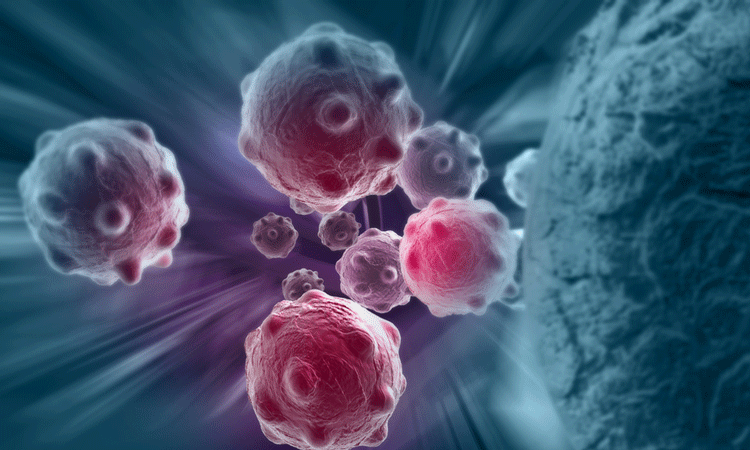
Researchers have discovered that MYC cancers use the cell’s machinery to make lipids and identified a lipid signature, which could be exploited in the development of new therapies.

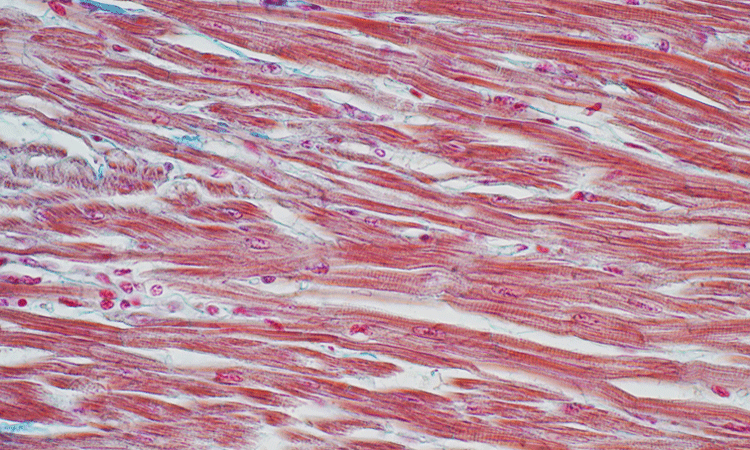
Researchers have created a new organoid model that can be used to study systems such as the heart and the effects of drugs on these cells.
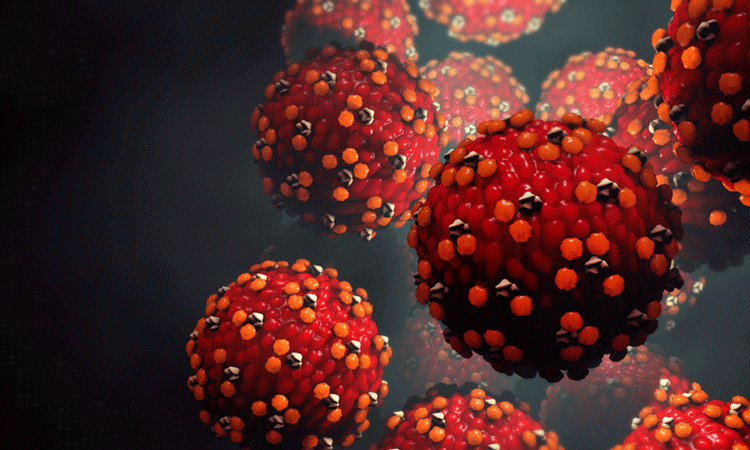

Researchers have discovered the mechanism behind the viral genome for measles, which could serve as a druggable target.
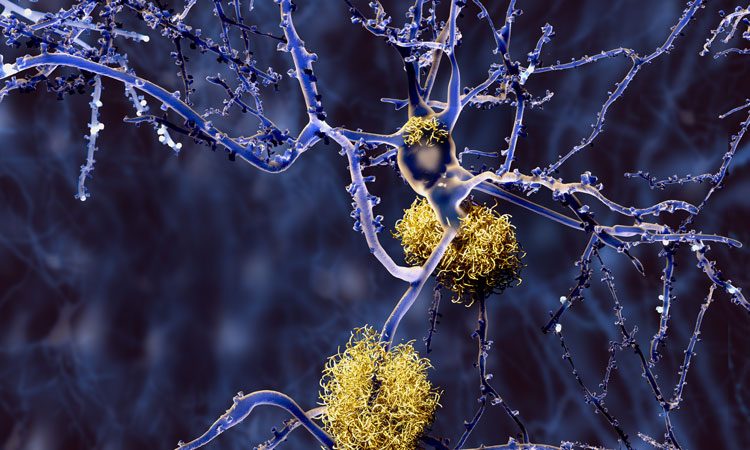
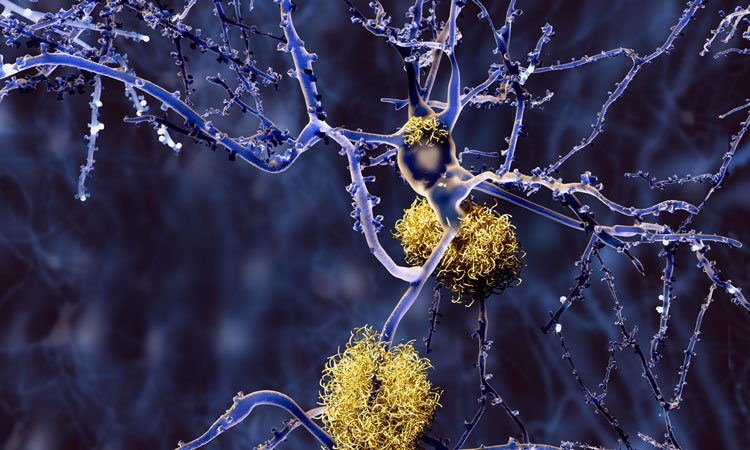
A gene associated with a rare balance disorder also regulates the behaviour of an enzyme that increases the risk for Alzheimer's disease.
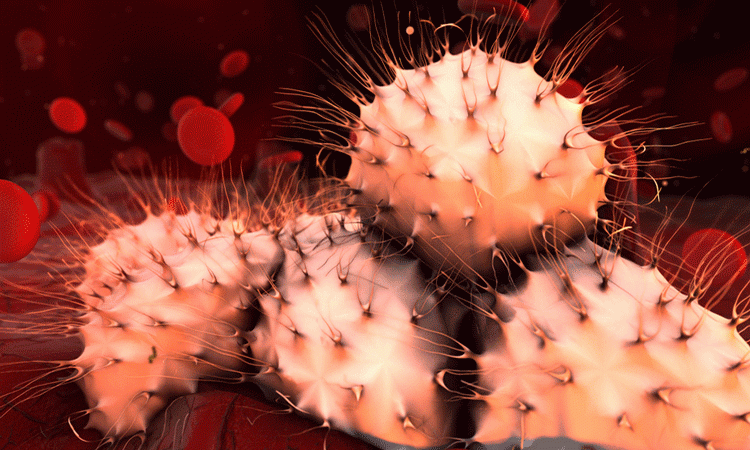
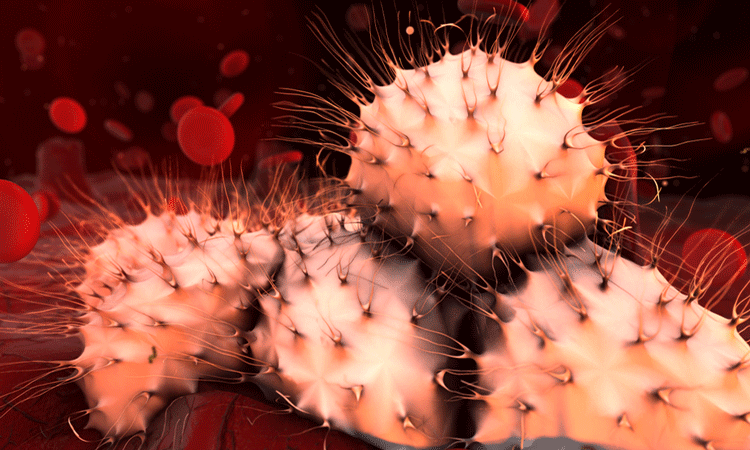
The structure of a key receptor involved in tumour metastasis has been imaged in a study, providing opportunities to develop cancer treatments.
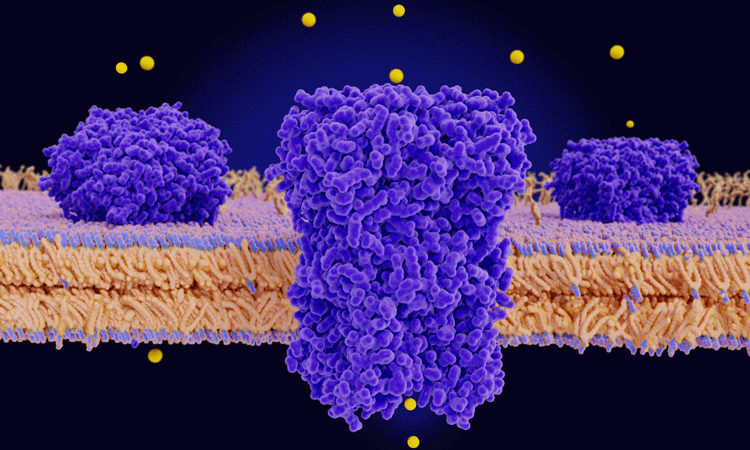
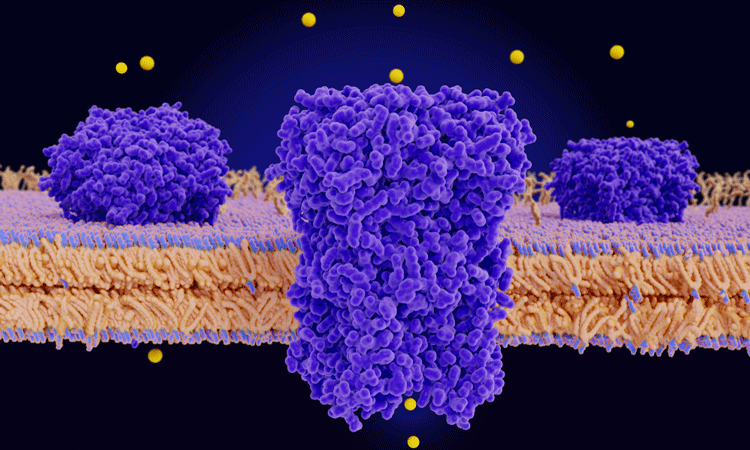
A new study has used a combination of imaging methods to understand how the Piezo protein works, improving research into treatments for conditions such as high blood pressure.
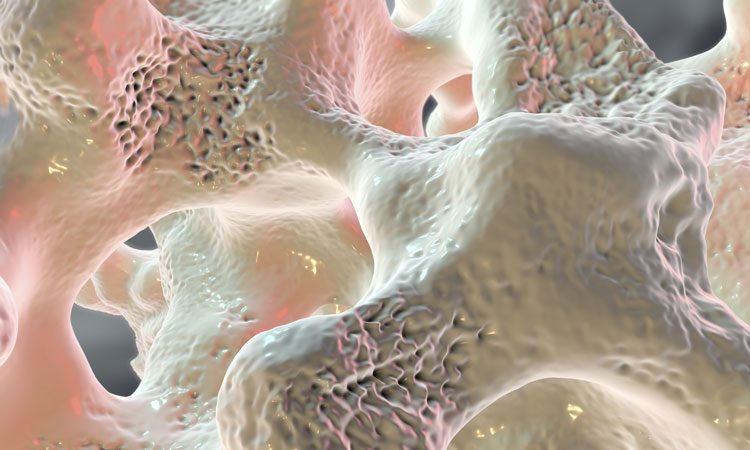
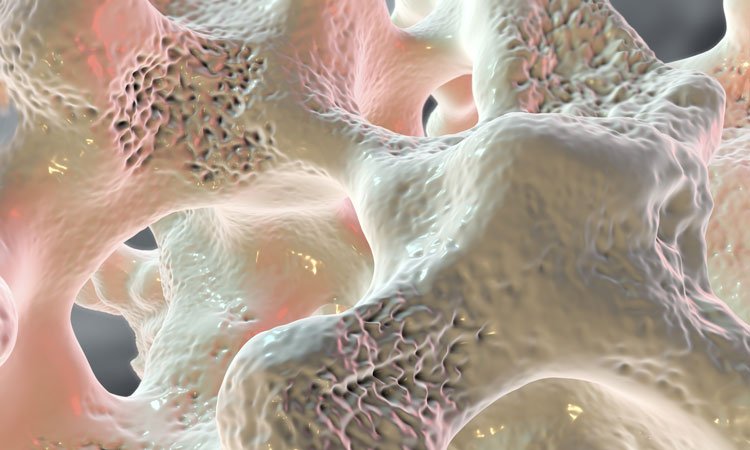
A pharmaceutical target has been identified by Duke University that, when activated, can reverse bone degradation caused by osteoporosis.

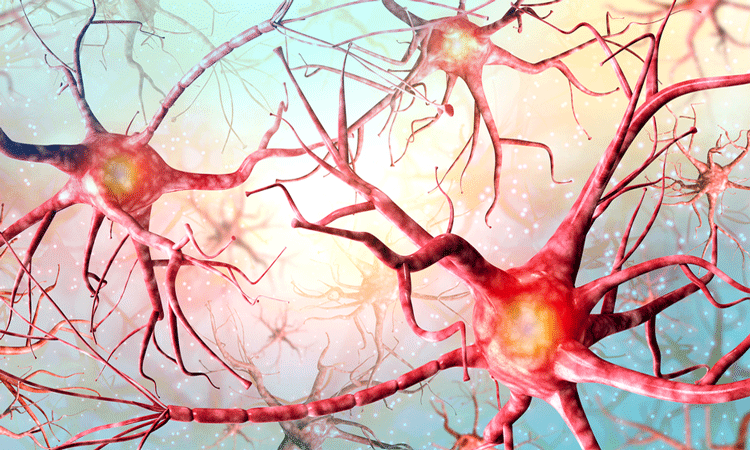
A study has discovered the regulating process behind cell autophagy which could aid in the development of neurodegenerative disease treatments.
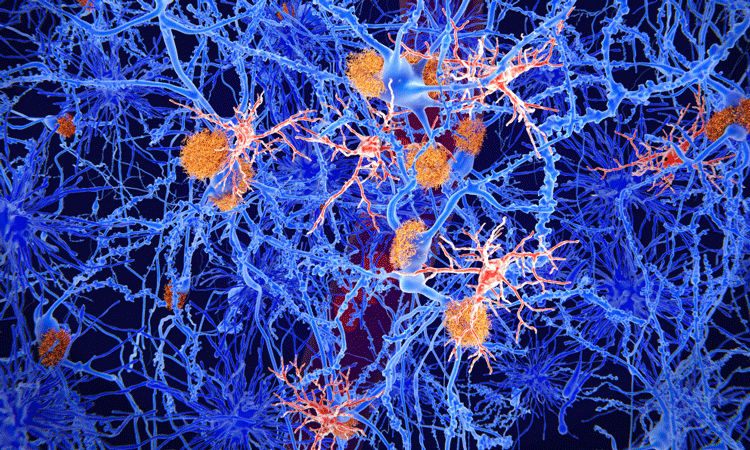
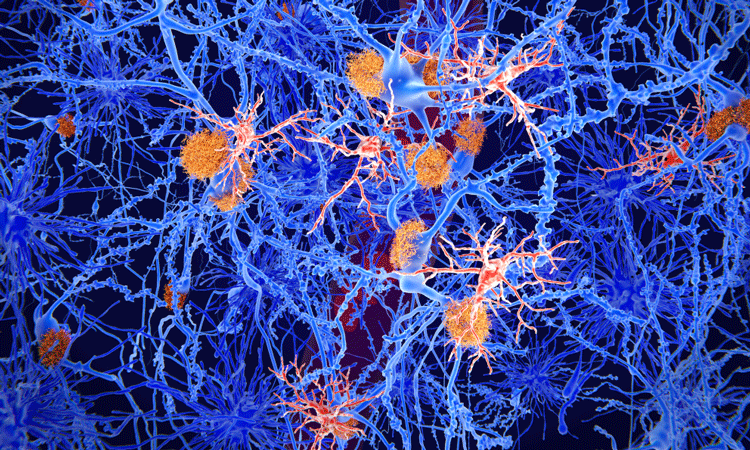
Researchers have found that the presence of microglia brain cells allowed plaques to form in the brains of rodents, leading to Alzheimer’s disease.


A study has revealed a drug target for skin cancers which regulates the differentiation of cells and the roles they conduct in the body.
Researchers have revealed a key inflammation mechanism that contributes to melanoma brain metastasis and could be a therapeutic target.
