




article
Expert view: Toward physiological relevance in drug discovery and development
Physiologically relevant screening models have become increasingly important in assay development and the screening of drug candidates.
List view / Grid view
In the fields of medicine, biotechnology and pharmacology, drug discovery is the process by which new candidate medications are discovered.
Physiologically relevant screening models have become increasingly important in assay development and the screening of drug candidates.
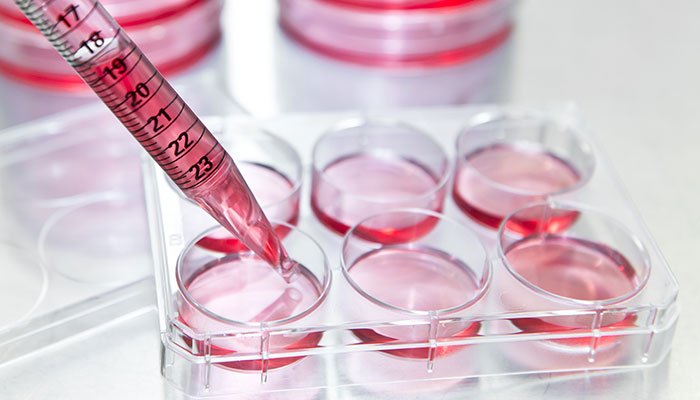
Declining R&D productivity is a key challenge in the pharmaceutical industry. To increase the success rate of candidate drugs entering the clinical phase, companies must address the early stages of drug discovery.

Predictiveness is one of the key factors for success in the drug discovery workflow. Many compounds fail at late stages due to lack of predictive data or the discovery of unwanted side effects.
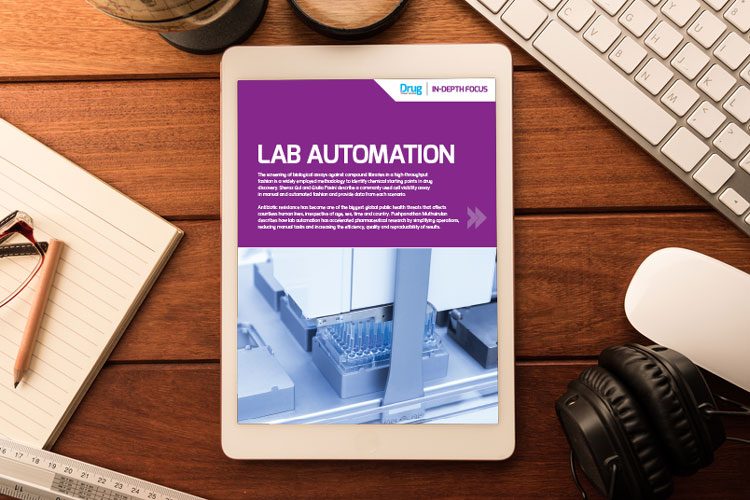
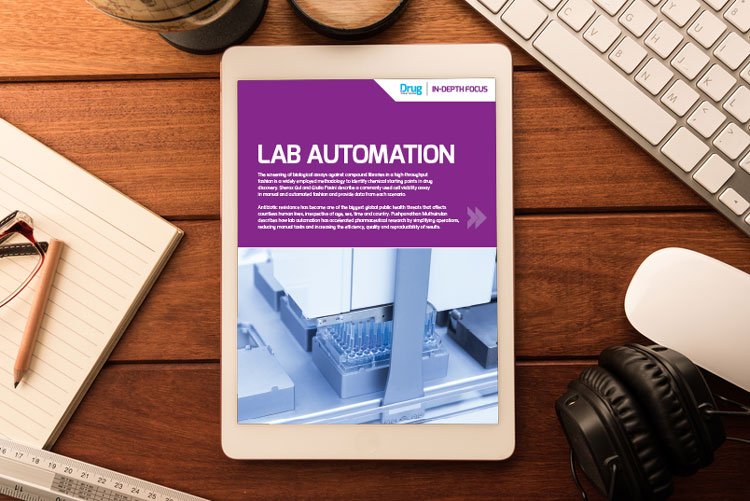
In this issue: how lab automation has accelerated pharmaceutical research by simplifying operations, reducing manual tasks and increasing the efficiency, quality and reproducibility of results.
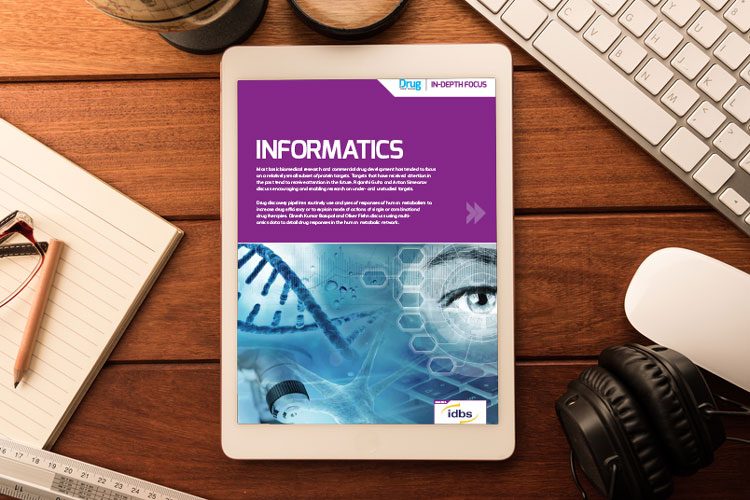
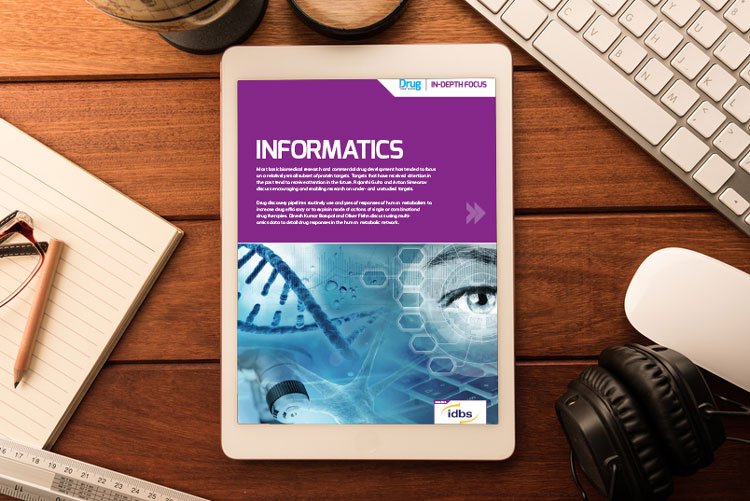
In this In-Depth Focus: enabling research on understudied and unstudied targets, and using multi-omics data to detail drug responses in the human metabolic network.
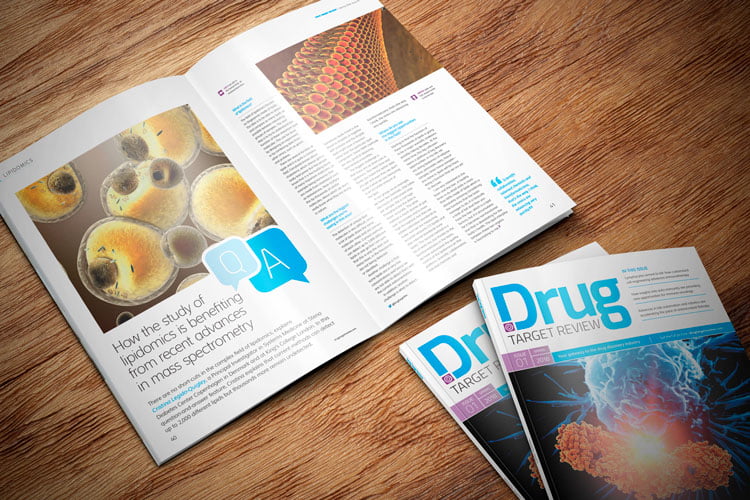
In this issue: how customised cell engineering advances immunotherapy, how insights into auto-immunity are providing new opportunities for immune-oncology, and advances in lab automation and robotics are accelerating the pace of antimicrobial therapy.
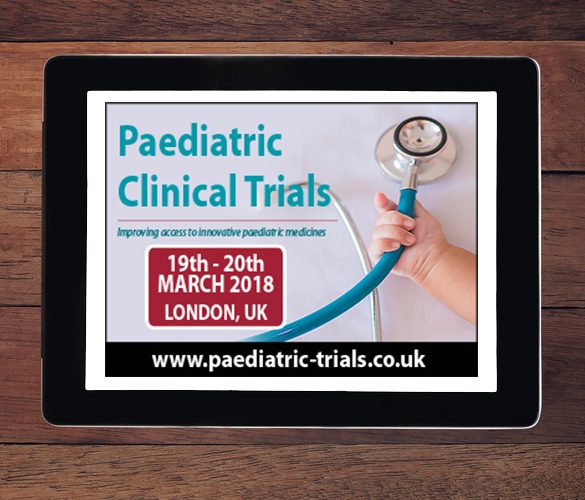
When designing a Paediatric clinical trial, a paediatric investigation plan (PIP) is a development plan aimed at ensuring that the necessary data are obtained through studies in children, to support the authorisation of a medicine for children...
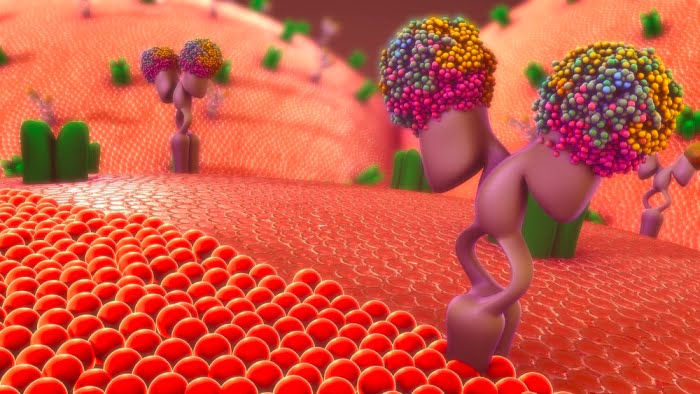
Advance paves the way for the design of transmembrane proteins with useful new functions...


The BBC recently reported on US's scientists discovery of a new family of antibiotics in soil samples. The natural compounds could be used to combat hard-to-treat infections, the team at Rockefeller University hopes.
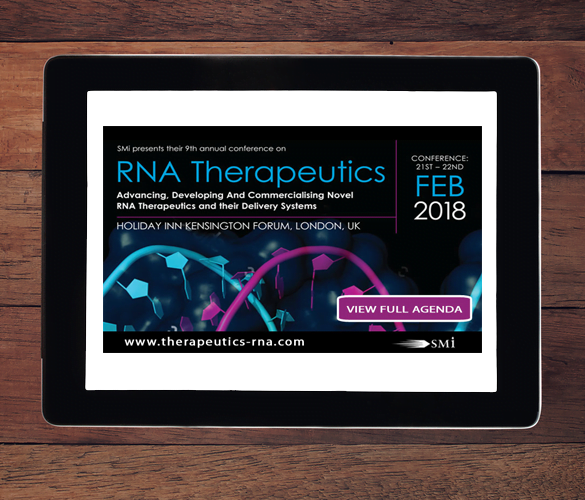
Presenting issues and real-life examples within the RNA space, SMi welcome insights and discussions into new technologies for single-stranded RNA, epigenetics to develop first-in class drugs in oncology, patenting RNA Therapeutics and exploring the latest developments in delivery systems, including Exosomes and Nanocomplexes. Read on for your exclusive discount to…
Signs collaboration agreement with AstraZeneca to offer state-of-the-art technology to clients.
SMi Reports: SMi’s 2nd annual Drug Discovery conference, taking place in London on 21 and 22 March 2018, will discuss the role of artificial intelligence in drug discovery.
1 February 2018 | By PerkinElmer
This webinar discussed a screening assay that recapitulates the activation of ER stress sensor IRE1 and an assay to quantify cell migration phenotypes, as applied to cardiovascular target validation and drug discovery.
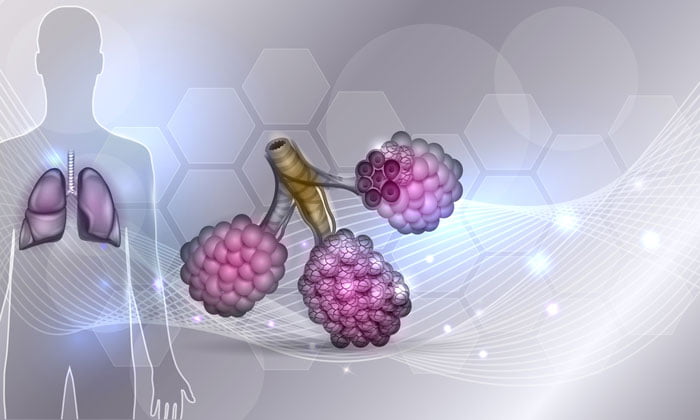
Researchers in Spain have developed a method of gene therapy that cures pulmonary fibrosis in mice by lengthening telomeres – the protective protein sections at the end of chromosomes.
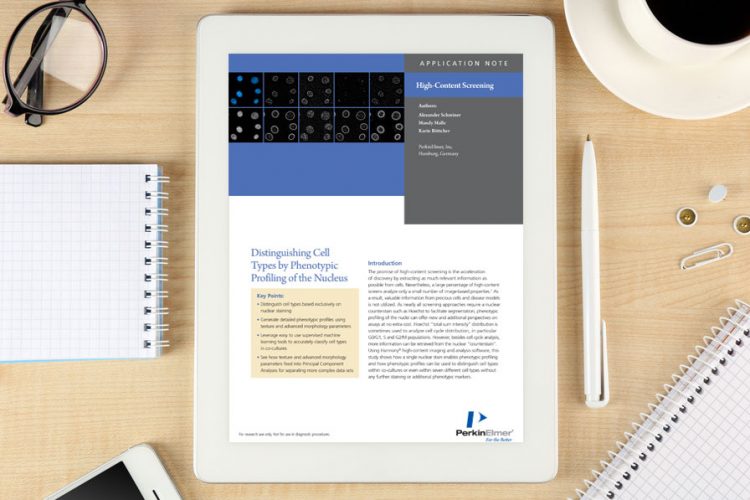
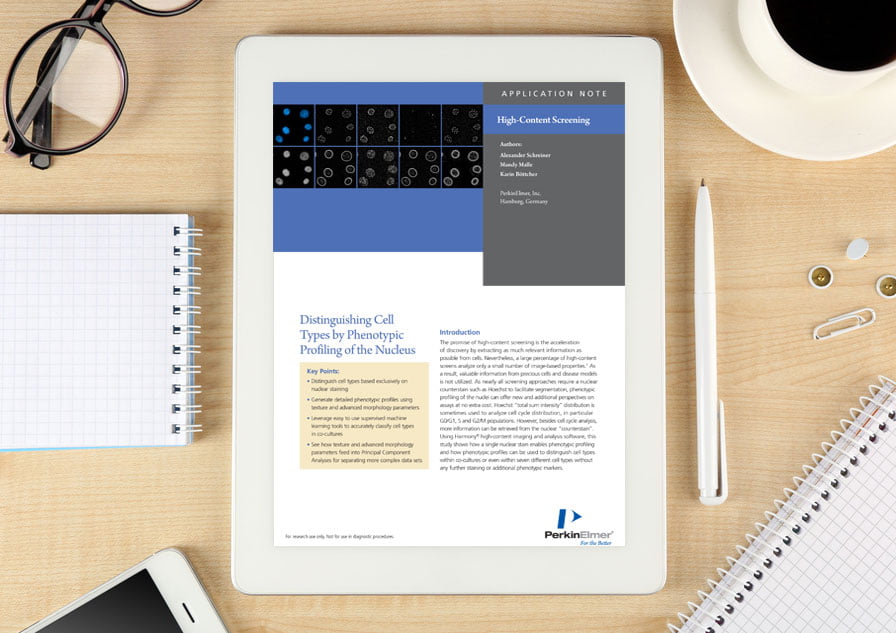
Describing how a single nuclear stain can enable phenotypic profiling for new and additional perspectives on assays at no extra cost.
