




news
Software able to screen up to 1.4 billion compounds developed
New in silico screening software has the capability to screen billions of compounds, with the hope of improving drug design and limiting side effects.
List view / Grid view
In the fields of medicine, biotechnology and pharmacology, drug discovery is the process by which new candidate medications are discovered.
New in silico screening software has the capability to screen billions of compounds, with the hope of improving drug design and limiting side effects.

Researchers have developed a new screening technique by inactivating the molecular structure of the human muscarinic receptor, allowing them to test potential drugs.


Drug Target Review explores five of the latest research developments in the field of spinal cord injury (SCI) repair.
A novel antibody has been shown to stimulate microglia to degrade amyloid plaques in a murine model of Alzheimer’s disease.

A collapsible basket technology has been developed to significantly accelerate the analysis process when scientists are developing new medicines.

A novel therapy, tested ex vivo, has been successful at correcting the dysfunctional body mechanism in Postural Orthostatic Tachycardia Syndrome (POTS).
A new microfluidic technology has been developed by researchers, which utilises magnetic ferrobots to automate chemical analyses and assays.

A collaborative team has developed a compound called WM382, which targets two crucial enzymes in the malaria parasite, effectively killing it.

The first drug designed using artificial intelligence (AI) has moved into its Phase I trial. Professor Andrew Hopkins of Exscientia explains how an algorithm was used to achieve this milestone.


Rodent models of stroke and hydrocephalus treated with ZT-1a had reduced brain swelling, according to scientists.
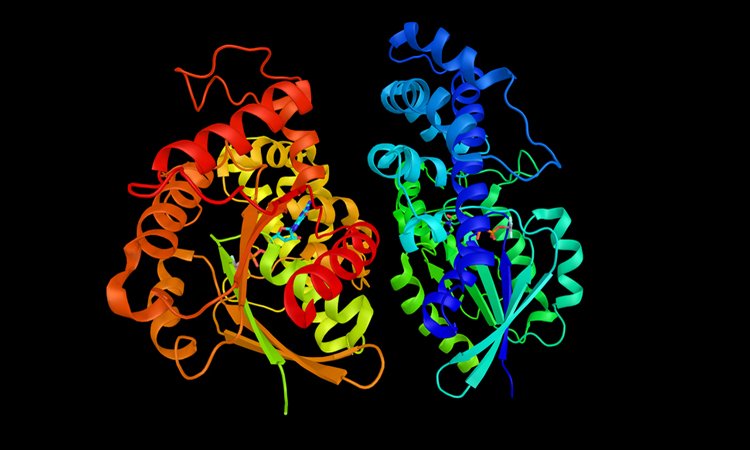
A computational programme has been created by researchers to aid in the design of proteins for therapeutics, to predict interactions.


Researchers show Naphthyridine-Azaquinolone (NA) could be a possible future therapy able to slow the progression and improve the symptoms of Huntington’s disease.
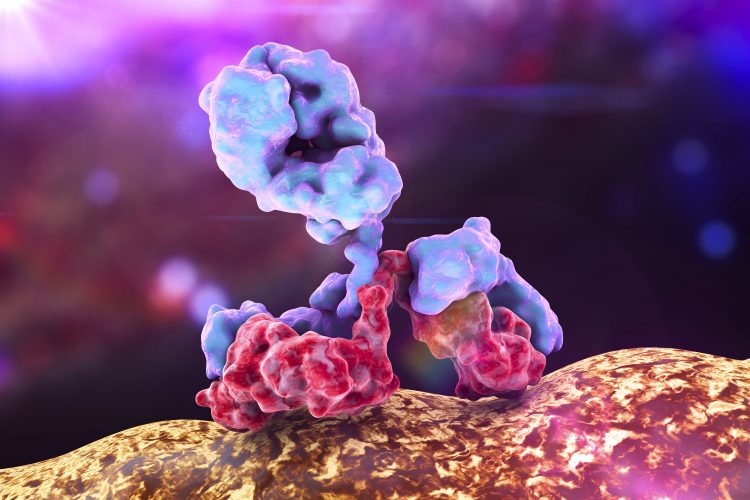
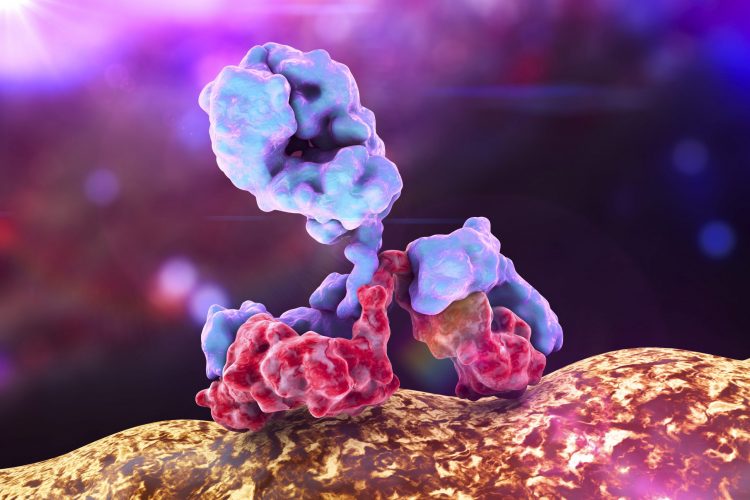
Drug Target Review spoke with CUE Biopharma’s President and CSO to find out how and why they created the ImmunoSTAT platform and the ways it may benefit drug design in the future.


Upregulating utrophin using small molecules could be a new therapeutic approach for Duchenne muscular dystrophy (DMD).
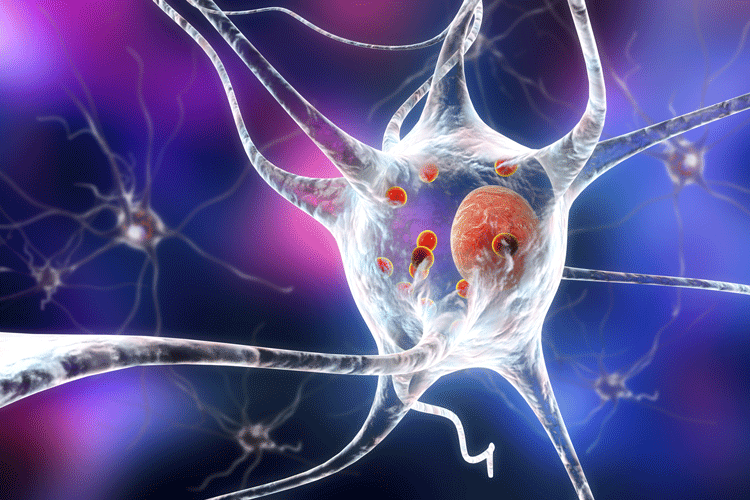
A molecule has been shown to increase dopamine levels in the brains of mice, offering hope for stopping the progression of Parkinson’s.
