


ZT-1a compound could be an alternative to surgery for brain swelling
Posted: 3 March 2020 | Hannah Balfour (Drug Target Review) | No comments yet
Rodent models of stroke and hydrocephalus treated with ZT-1a had reduced brain swelling, according to scientists.
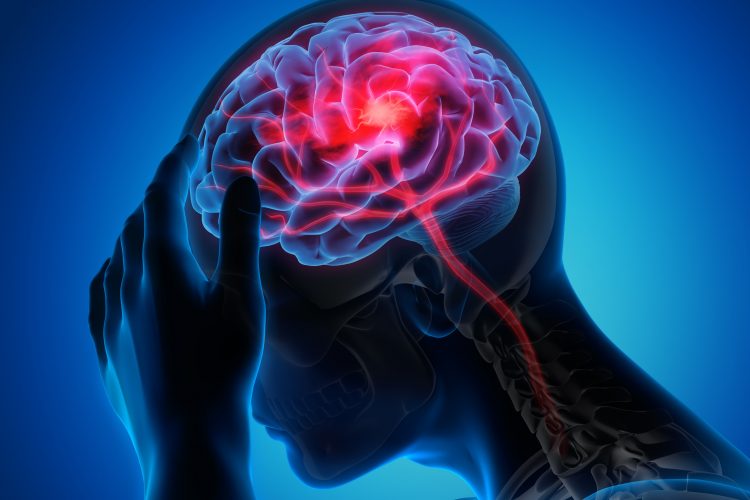
Researchers have identified a compound, called ZT-1a, which can reduce swelling in the brain. The researchers hope this discovery could lead to an effective treatment alternative to surgery for brain inflammation after stroke.
Strokes can damage cell volume regulation in the brain, causing swelling that is currently treated with surgery to remove part of the skull or insert a shunt to drain cerebral spinal fluid. Shunts, according to researchers, are very susceptible to malfunction or infection often leading to patients requiring repeated surgeries.
Research led by the University of Exeter, UK, has shown that ZT-1a can target a pathway that controls SPAK kinase transporters involved in moving water and ions in and out of cells. The compound inhibits enzymes activating these transporters to move water into neurons, reversing the damage caused by strokes promoting this pathway.
Drug Target Review has just announced the launch of its NEW and EXCLUSIVE report examining the evolution of AI and informatics in drug discovery and development.
In this 63 page in-depth report, experts and researchers explore the key benefits of AI and informatics processes, reveal where the challenges lie for the implementation of AI and how they see the use of these technologies streamlining workflows in the future.
Also featured are exclusive interviews with leading scientists from AstraZeneca, Auransa, PolarisQB and Chalmers University of Technology.
When tested on rodent models of stroke or hydrocephalus, the compound was able to reduce brain swelling and stop the hypersecretion of cerebral spinal fluid typically seen after a haemorrhagic stroke. The researchers suggest ZT-1a could potentially be used in humans to avoid the need for invasive brain surgeries.
Dr Jinwei Zhang, Lecturer at the University of Exeter Medical School and team leader of collaborators in China and the US, who helped develop the compound, said: “Brain swelling after a stroke is a common and devastating problem for individuals and their families. Our discovery could address the urgent need for treatment that could provide an effective alternative to invasive surgery. The drug is still in the laboratory and requires further development. So far it shows promise in effectively reducing brain swelling in stroke and other brain injuries such as drowning, choking or heart attack.”
The paper was published in Nature Communications.
Related topics
Disease research, Drug Development, Drug Discovery, Drug Targets, Neuroprotection, Neuroprotective compounds, Neurosciences, Therapeutics
Related conditions
Haemorrhagic stroke, Hydrocephalus, Stroke
Related organisations
University of Exeter, University of Pittsburgh, Xiamen University, Yale School of Medicine
Related people
Dr Jinwei Zhang
