


webinar
Capturing biological complexity to empower biomarker discovery
27 October 2021 | By Takara Bio
Sign up for this free webinar and discover how refined cell atlases can provide comprehensive roadmaps for health and disease.
List view / Grid view
27 October 2021 | By Takara Bio
Sign up for this free webinar and discover how refined cell atlases can provide comprehensive roadmaps for health and disease.
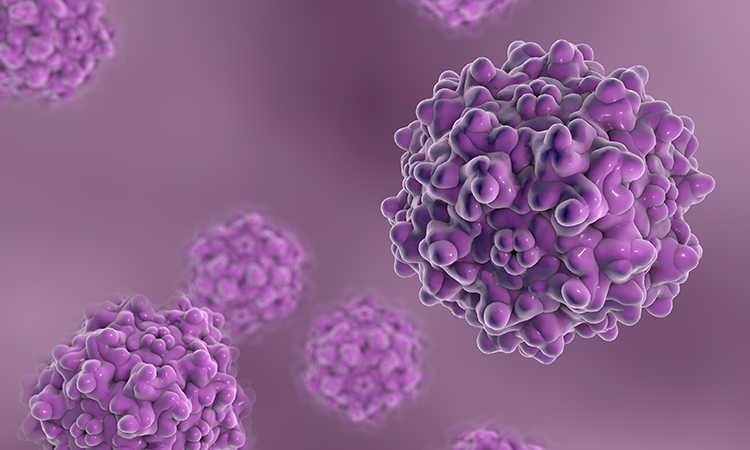
Inherited blindness is the leading cause of vision loss in the working populations. Recently, the first gene therapy for the treatment of retinal dystrophy caused by mutations in the RPE65 gene became available. This gene therapy is based on adeno-associated virus (AAV) vectors injected under the retina. Subretinal injection is…

A team of researchers has shown that injection of cholangiocyte organoids in human livers ex vivo can repair the organs’ bile ducts. In this article, Dr Fotios Sampaziotis explains how his team’s study provides the first proof-of-principle for the efficacy of cellular therapies using organoids in human.
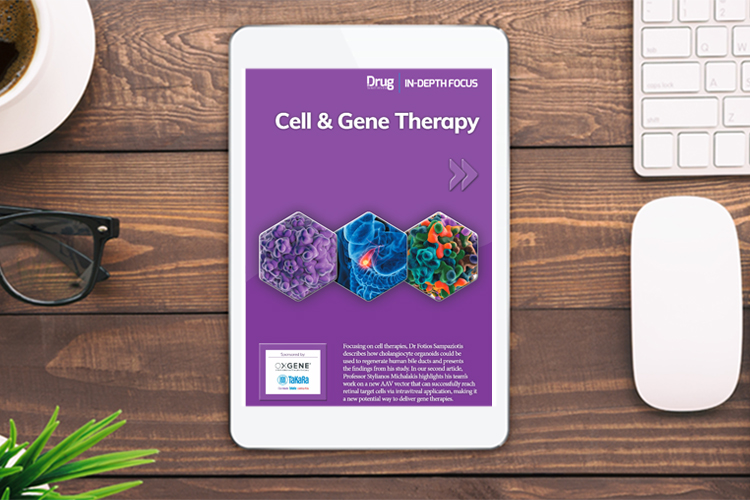
In this ebook, discover how organoids can be used in regenerative medicine and how a novel AAV vector for gene therapy was developed.

In this NGS In-Depth Focus: how next-generation sequencing (NGS) enables rapid detection of viruses and a novel NGS platform advancing genomics research.

Takara Bio has played a major role in the development of single-cell genomics with the launch of kits such as the automation-ready Smart-seq HT, with a simplified 4-steps protocol. In addition, to meetthe demand for using RNA-seq for degraded clinical samples, we have expanded our offering with a complete sequencing…
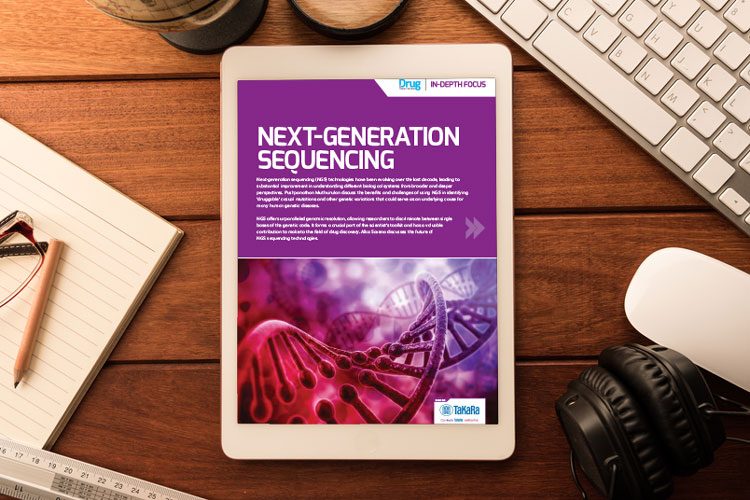
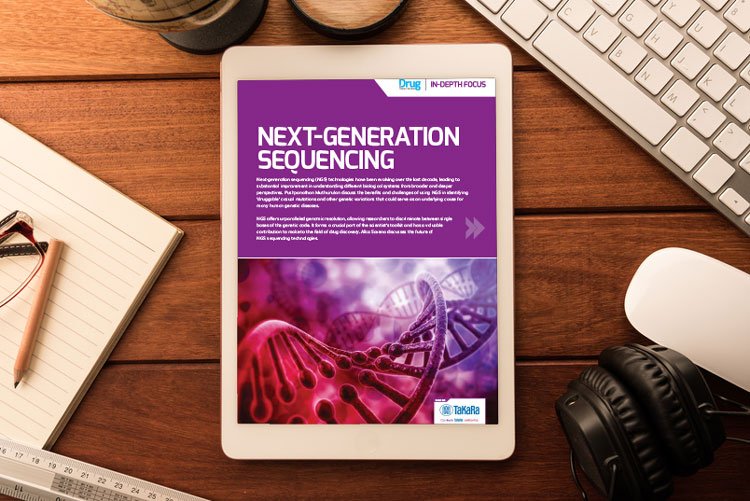
In this In-Depth Focus: hunting mysterious ‘Dark Matter Genome’ towards rewriting the rules of human genetic diseases, and enabling biomarker discovery at single-cell resolution
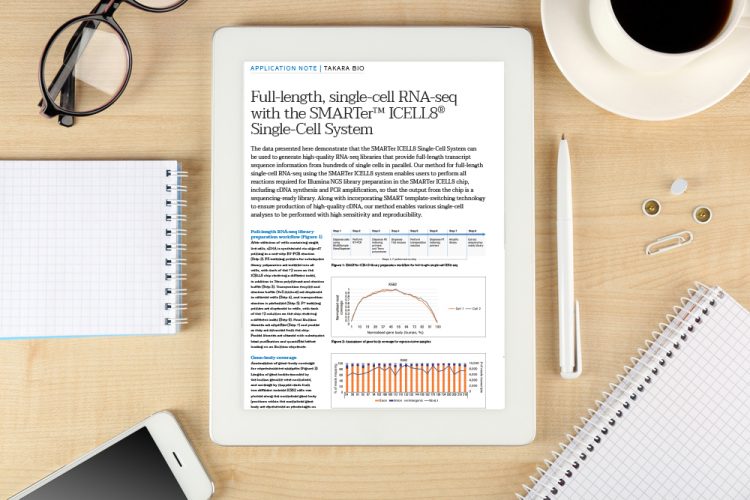
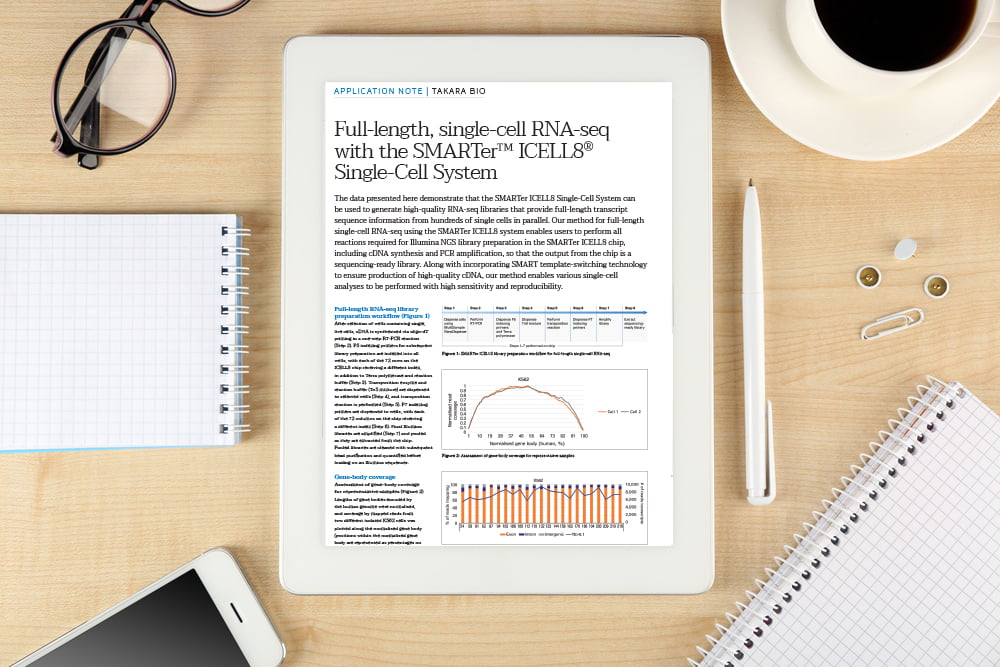
6 September 2018 | By Takara Bio
The data presented in this application note demonstrates how SMARTer ICELL8 Single-Cell System can be used to generate high-quality RNA-seq libraries that provide full-length transcript sequence information from hundreds of single cells in parallel...

Human primary hepatocytes (hpheps) are the gold standard for in vitro evaluation of drug metabolism, drug-drug interactions, and metabolic disease research. However, hpheps don’t survive in standard 2D culture for very long – no longer than two or three days.
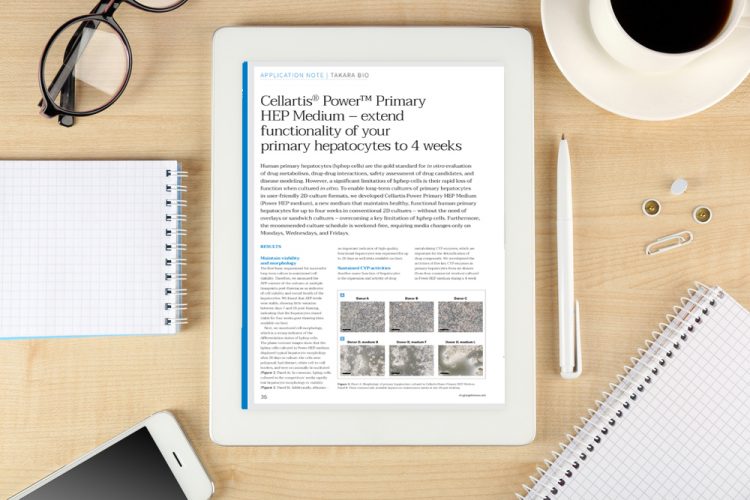
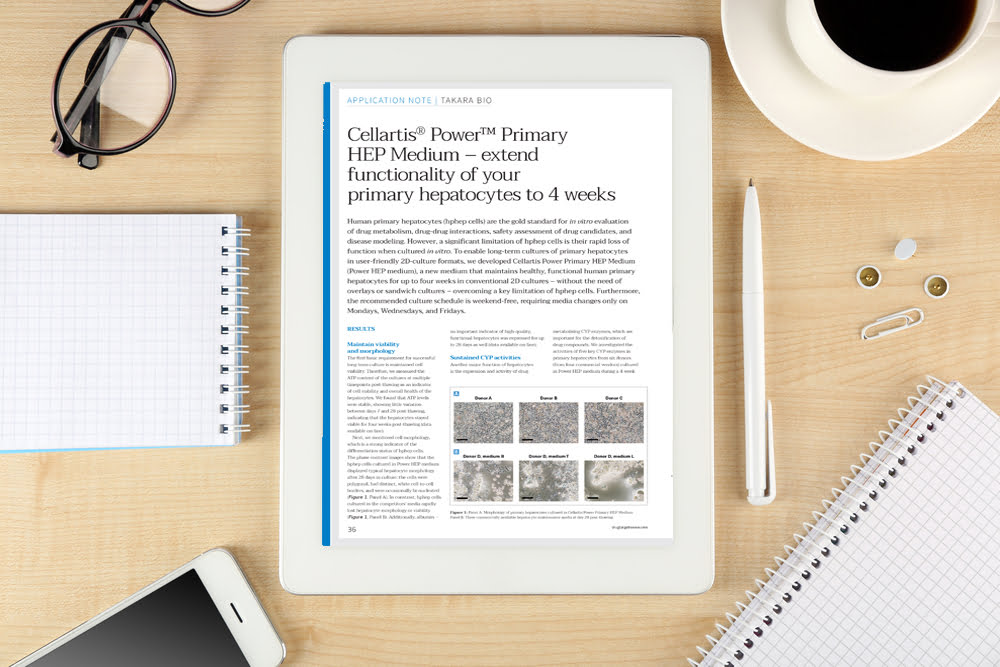
Human primary hepatocytes (hphep cells) are the gold standard for in vitro evaluation of drug metabolism, drug-drug interactions, safety assessment of drug candidates, and disease modeling.
In this issue: urine-derived stem cells offer an innovative platform for drug testing and disease modelling, a paradigm shift in translational stem cell research, and the role of biomaterials in stem cell-based regenerative medicine.


Next-generation sequencing (NGS) has greatly increased our understanding of biological phenomena and human disease. In particular, single-cell sequencing is one of the fastest-growing applications...

Next-generation sequencing is a crucial part of the scientist's toolkit. This in-depth focus compares the strengths and weaknesses of a range of NGS technologies and examines the benefits and challenges of using it in infectious disease diagnosis...
Included in this Stem Cells In-Depth Focus: Translating discoveries into therapies; The key to successful manufacturing of patient-specific cell therapies; Interview with Alessandro Prigione and James Adjaye...

Christian Andersson, Product Development Manager at Takara Bio discusses hiPS-derived beta cells, which offer an unprecedented opportunity for diabetes research to model human physiology and ‘diseases in a dish’. Christian looks into the potential for new discoveries for diabetes and other metabolic diseases...
