


Intranasal COVID-19 vaccine shown to be effective in animal models
Posted: 26 August 2021 | Anna Begley (Drug Target Review) | No comments yet
A nasal spray of the COVID-19 Vaccine Oxford/AstraZeneca was found to protect hamsters and monkeys against SARS-CoV-2 in an NIH study.
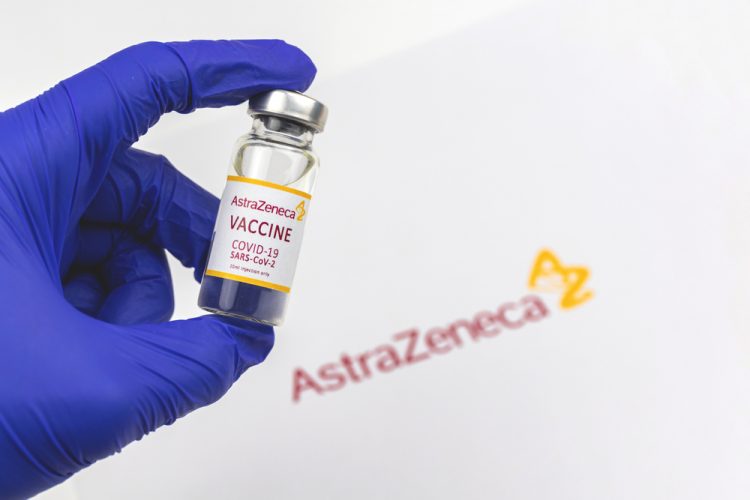
A US National Institutes of Health (NIH) study reported that a nasal spray of the COVID-19 Vaccine Oxford/AstraZeneca protected hamsters and monkeys against the disease and reduced the amount of SARS-CoV-2 in the nose.
With regular news updates and feature articles, our COVID-19 hub has everything you need to keep up to date with R&D during the pandemic. Click below to visit:
A team of researchers led by Dr Vincent Munster from the NIH’s National Institute of Allergy and Infectious Diseases (NIAID) first compared spraying the vaccine intranasally to intramuscular injection in hamsters. Both routes of administration produced high levels of antibodies against SARS-CoV-2 in the blood after a single dose. Furthermore, levels of antibodies in the blood were higher after intranasal administration.
Vaccinated hamsters and a group of unvaccinated animals were then exposed to SARS-CoV-2, either by direct administration into the nose or through contact with infected hamsters. Both routes of vaccine administration protected hamsters from serious disease. The unvaccinated hamsters lost weight and showed signs of lung damage, however vaccinated hamsters did not. The animals that received intranasal vaccination also had substantially less infectious virus in their nasal passages than unvaccinated animals.
Drug Target Review has just announced the launch of its NEW and EXCLUSIVE report examining the evolution of AI and informatics in drug discovery and development.
In this 63 page in-depth report, experts and researchers explore the key benefits of AI and informatics processes, reveal where the challenges lie for the implementation of AI and how they see the use of these technologies streamlining workflows in the future.
Also featured are exclusive interviews with leading scientists from AstraZeneca, Auransa, PolarisQB and Chalmers University of Technology.
The researchers subsequently tested two doses of the intranasal vaccine in four monkeys. As in the hamsters, antibodies were present in the blood after the second dose, at levels similar to those seen in people who have recovered from COVID-19.
The monkeys were then exposed to SARS-CoV-2. Compared to four unvaccinated monkeys, those that received the intranasal vaccine had less virus in their noses and in lung tissue. Three of the unvaccinated animals tested developed symptoms of pneumonia, while none of the vaccinated monkeys did.
According to the team, more work is needed to understand the differences in immune response between the two routes of administration. “But these results justify additional tests of nasal delivery for COVID-19 vaccines in people,” Munster commented.
A clinical trial at the University of Oxford is now testing intranasal vaccination in human volunteers.
Related topics
Clinical trials, Drug Delivery, Drug Targets, Immunology, In Vivo, Pharmacology, Vaccine
Related conditions
Covid-19
Related organisations
AstraZeneca, National Institute of Allergy and Infectious Diseases (NIAID), National Institutes of Health (NIH), Oxford University
Related people
Dr Vincent Munster
