


Very long-chain fatty acids found to block SARS-CoV-2 infection
Posted: 11 June 2021 | Victoria Rees (Drug Target Review) | No comments yet
Researchers have shown that omega-3 very long-chain polyunsaturated fatty acids can block SARS-CoV-2 and protect lung cells.
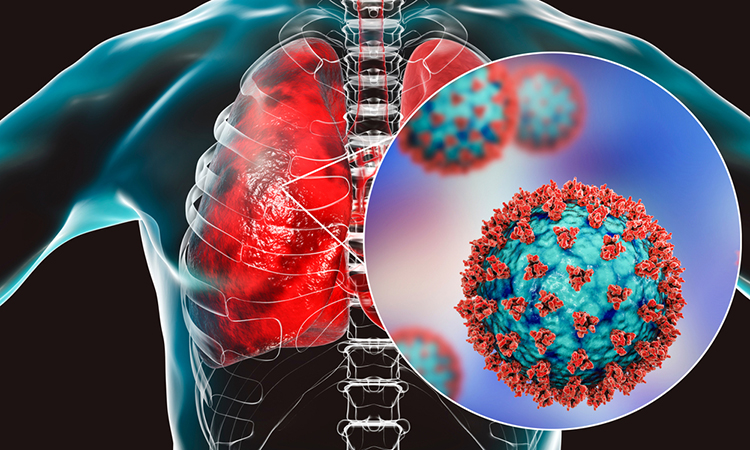
Research conducted at Louisiana State University (LSU) Health, US, reports that Elovanoids (ELVs), bioactive chemical messengers made from omega-3 very long-chain polyunsaturated fatty acids (VLC-PUFAs), may block SARS-CoV-2, the virus that causes COVID-19, from entering cells and protect the air cells (alveoli) of the lung.
With regular news updates and feature articles, our COVID-19 hub has everything you need to keep up to date with R&D during the pandemic. Click below to visit:
“Because the compounds are protective against damage in the brain and retina of the eye and the COVID-19 virus clearly damages the lung, the experiment tested if the compounds would also protect the lung,” said Dr Nicolas Bazan, senior author of the paper.
The research team tested ELVs on infected lung tissue from a patient in petri dish cultures. They found that ELVs not only reduced the ability of the SARS-CoV-2 Spike (S) protein to bind to receptors and enter cells, but they also triggered the production of protective, anti-inflammatory proteins that counteract lung damage.
Drug Target Review has just announced the launch of its NEW and EXCLUSIVE report examining the evolution of AI and informatics in drug discovery and development.
In this 63 page in-depth report, experts and researchers explore the key benefits of AI and informatics processes, reveal where the challenges lie for the implementation of AI and how they see the use of these technologies streamlining workflows in the future.
Also featured are exclusive interviews with leading scientists from AstraZeneca, Auransa, PolarisQB and Chalmers University of Technology.
The scientists report that ELVs decreased the production of angiotensin-converting enzyme 2 (ACE2), a protein on the surface of many cell types. ACE2 receptors act like locks on cells and the SARS-CoV-2 S proteins act like keys that open the locks, letting the virus enter cells to multiply rapidly. They also demonstrated for the first time that alveolar cells are endowed with pathways for the biosynthesis of ELVs.
“Since SARS-CoV-2 affects nasal mucosa, the gastrointestinal (GI) tract, the eye and the nervous system (CNS), uncovering the protective potential of ELVs expands the scope of our observations beyond the lung,” said Bazan. “Our results provide a foundation for interventions to modify disease risk, progression and protection of the lung from COVID-19 or other pathologies – including some types of pneumonia.”
Their findings are published in Scientific Reports.
Related topics
Biologics, Biopharmaceuticals, In Vitro, Lipidomics, Lipids, Molecular Targets
Related conditions
Covid-19
Related organisations
Louisiana State University (LSU)
Related people
Dr Nicolas Bazan
