


Novel DNA-based COVID-19 vaccines induce immune responses in mice
Posted: 5 February 2021 | Hannah Balfour (Drug Target Review) | No comments yet
The DREP-S vaccine candidate was found to be the most potent of the two investigational vaccine prototypes, eliciting high titers of SARS-CoV-2 neutralising antibodies after a single dose.
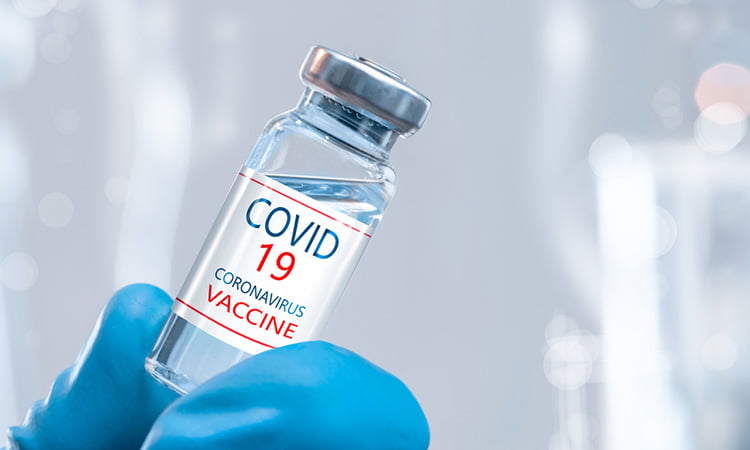
In a new preclinical study comparing the immunogenicity of two investigational DNA-based COVID-19 vaccines, researchers showed both prototypes induced potent immune responses in mice. One candidate, DREP-S, induced high titers of antibodies able to efficiently neutralise pseudotyped virus after a single immunisation.
With regular news updates and feature articles, our COVID-19 hub has everything you need to keep up to date with R&D during the pandemic. Click below to visit:
The developers of the vaccine candidates highlighted the need for additional COVID-19 vaccines based on different strategies, stating different vaccine approaches have their advantages and disadvantages and may work synergistically to enhance efficacy.
“Although several vaccines against COVID-19 have been approved for emergency use, there are still concerns regarding the durability of immune responses after vaccination,” explained the study’s first author, Dr Inga Szurgot from the Department of Microbiology, Tumor and Cell Biology, Karolinska Institutet, Sweden. “Moreover, the vaccines that are based on mRNA molecules need to be stored and transported at ultralow temperatures. Maintaining such conditions can cause logistical problems and might not even be possible in many areas of the world where the need for vaccines is great.”
Drug Target Review has just announced the launch of its NEW and EXCLUSIVE report examining the evolution of AI and informatics in drug discovery and development.
In this 63 page in-depth report, experts and researchers explore the key benefits of AI and informatics processes, reveal where the challenges lie for the implementation of AI and how they see the use of these technologies streamlining workflows in the future.
Also featured are exclusive interviews with leading scientists from AstraZeneca, Auransa, PolarisQB and Chalmers University of Technology.
According to the team, their vaccines, based on a DNA-launched self-amplifying RNA (DREP) platform, are inexpensive, stable, easy to produce and should have a good safety profile. Their two vaccine candidates encode the genes for two different forms of the SARS-CoV-2 Spike (S) protein: DREP-S, an unmodified S protein; and DREP-Secto, an S ectodomain trimer stabilised in its prefusion conformation.
DREP vaccines are delivered as DNA that launches an RNA replicon upon delivery to host cells. An RNA replicon is a self-amplifying RNA molecule that produces multiple copies of a selected RNA sequence, in this instance the S proteins.
The DREP platform has previously been used to develop several vaccines that are now in clinical trials targeting various infectious viral diseases, including HIV, Ebola, chikungunya and HPV. According to the researchers, its self-amplification feature enables administration of lower doses and consequently might induce milder side effects. Two other advantages are that it does not require a cold chain during transportation and storage and that it is suitable for rapid adaptation to new virus variants.
In the study published in Scientific Reports, the team vaccinated mice and assessed the immunogenicity of the vaccines. They reported that while both were immunogenic – inducing binding and neutralising antibodies, as well as T cell responses – DREP-S was more potent, eliciting high titers of SARS-CoV-2 specific IgG antibodies. These antibodies were shown to efficiently neutralise pseudotyped virus after a single immunisation.
In addition, the researchers observed that a second vaccination with a different vaccine type, this one containing recombinant SARS-CoV-2 S protein, boosted the immune responses. This led the team to encourage the use of mixed vaccine modalities to combat SARS-CoV-2.
“Different vaccine approaches and platforms have their distinct merits and may work synergistically in regimens where a patient receives first immunization with one type of vaccine and second with a different type,” explained the study’s last author, Peter Liljestrom from Karolinska Institutet’s Department of Microbiology, Tumor and Cell Biology. “This approach often gives a better response and should be investigated further.”
Related topics
Antibodies, Biologics, Drug Development, Immunogenicity, In Vivo, Research & Development, Vaccine
Related conditions
Coronavirus, Covid-19
Related organisations
Karolinska Institutet
Related people
Dr Inga Szurgot
