


Novel target for pulmonary fibrosis identified using tissue from COVID-19 patients
Posted: 7 December 2020 | Hannah Balfour (Drug Target Review) | No comments yet
Study suggests reducing the expression of the methyl-CpG-binding domain 2 (MBD2) protein on macrophages could be a viable therapeutic strategy for lung fibrosis.
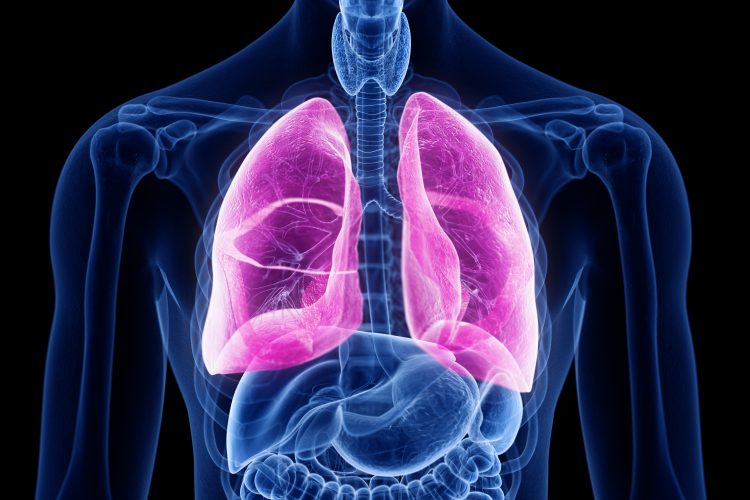
An analysis of lung tissue samples from patients with various types of pulmonary fibrosis (PF), including cases caused by COVID-19, has identified a promising target – methyl-CpG-binding domain 2 (MBD2), a protein found in macrophages.
With regular news updates and feature articles, our COVID-19 hub has everything you need to keep up to date with R&D during the pandemic. Click below to visit:
In their study, the researchers compared the expression of MBD2 in fibrotic lungs with varying origins. They found that while MBD2 was almost undetectable in the lung sections taken from normal controls, it was highly expressed in tissues from patients with COVID-19, systemic sclerosis associated interstitial lung disease and idiopathic pulmonary fibrosis (IPF). They also showed that MBD2 was predominantly co-localised in M2 macrophages and confirmed these findings in a murine model of PF, in which lung fibrosis is induced by administering the antibiotic bleomycin (BLM-induced PF).
In their experiments, the researchers showed that depleting Mbd2 gene in the macrophages of mice with BLM-induced PF protected them from fibrotic lung injury. Mbd2 deficient mice had markedly reduced M2 macrophage accumulation in their lungs following administration of bleomycin, compared to control animals. Additionally, they had much lower levels of transforming growth factor β1 (TGF-β1) production. TGF-β1 is known to regulate various processes that are implicated in the tissue remodelling associated with PF and emphysema, including growth suppression of epithelial cells, alveolar epithelial cell differentiation, fibroblast activation and extracellular matrix organisation.
Drug Target Review has just announced the launch of its NEW and EXCLUSIVE report examining the evolution of AI and informatics in drug discovery and development.
In this 63 page in-depth report, experts and researchers explore the key benefits of AI and informatics processes, reveal where the challenges lie for the implementation of AI and how they see the use of these technologies streamlining workflows in the future.
Also featured are exclusive interviews with leading scientists from AstraZeneca, Auransa, PolarisQB and Chalmers University of Technology.
Aside from simply depleting Mbd2, the researchers also showed that administering liposomes carrying Mbd2 silencer RNA (siRNA) into the trachea of mice was sufficient to protect them from lung injuries and fibrosis.
According to the team, because MBD2 does not directly affect the essential epigenetic process of DNA methylation, inhibiting it could be a safe and viable way to treat PF. However, the impact of altered MBD2 expression in other types of cells relevant to PF would need to be assessed first.
The paper was published in Science Advances.
Related topics
Disease research, Drug Targets, Immunology, Protein, Protein Expression, Proteomics
Related conditions
Coronavirus, Covid-19, Idiopathic pulmonary fibrosis (IPF), Pulmonary fibrosis
