


Targeting host proteins could lead to pan-coronavirus antivirals
Posted: 16 October 2020 | Hannah Balfour (Drug Target Review) | No comments yet
Researchers suggest that targeting host proteins with drugs, rather than directly targeting enzymes or proteins on SARS-CoV-2 and related coronaviruses, could improve outcomes.
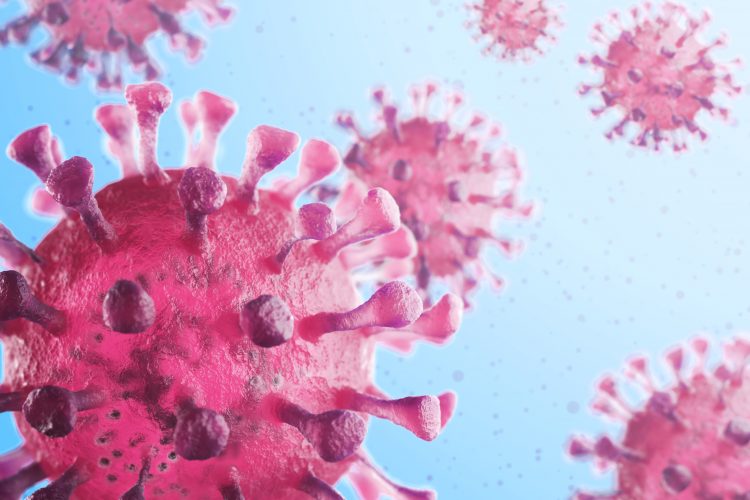
In a new study, researchers sought to inform the development of pan-coronavirus antiviral drugs. The team said this should be an essential part of the fight against COVID-19, which is caused by the SARS-CoV-2 coronavirus, because other highly virulent human coronavirus strains have emerged and may do so again, requiring treatment.
With regular news updates and feature articles, our COVID-19 hub has everything you need to keep up to date with R&D during the pandemic. Click below to visit:
The team of researchers compared host interactions of the Middle Eastern Respiratory Syndrome coronavirus (MERS-CoV), the coronavirus that causes Severe Acute Respiratory Syndrome (SARS-CoV-1) and SARS-CoV-2 to uncover host pathways commonly hijacked by all three that could be targeted by novel drugs.
Traditional antiviral drugs often target viral enzymes; however, these can mutate, rendering the therapies inactive and the viruses resistant to therapies. The researchers in this study suggested instead that drugs target the host proteins required for viral replication to avoid resistance and lead to therapeutics with broad-spectrum activity.
Drug Target Review has just announced the launch of its NEW and EXCLUSIVE report examining the evolution of AI and informatics in drug discovery and development.
In this 63 page in-depth report, experts and researchers explore the key benefits of AI and informatics processes, reveal where the challenges lie for the implementation of AI and how they see the use of these technologies streamlining workflows in the future.
Also featured are exclusive interviews with leading scientists from AstraZeneca, Auransa, PolarisQB and Chalmers University of Technology.
Focused on this approach, Gordon et al. mapped the interactions between viral and human proteins for SARS-CoV-2, SARS-CoV-1 and MERS-CoV. After they expressed viral proteins in human host cells, they used mass spectrometry to identify host cell proteins that were physically associated with each viral protein, looking for conserved interactions across all three viruses. They then used genetic screening to identify host factors that either enhanced or inhibited viral infection.
Later in the study the team sought to connect their in vitro molecular data to clinical information for COVID-19 patients. They analysed data from roughly 740,000 US patients with documented SARS-CoV-2 infection and assessed whether patients treated with drugs against selected targets identified in their study fared better than controls treated with clinically similar drugs that do not act on coronavirus host factors. The authors reported that patients who received drugs focused against some of the targets identified in their study had better outcomes.
“Replication in other patient cohorts and further work will be needed to see if there is therapeutic value in these connections, but at the very least we have demonstrated a strategy wherein protein network analyses can be used to make testable predictions from real-world, clinical information,” concluded the authors of the study published in Science.
Related topics
Disease research, Drug Targets, Imaging, Protein
