


Could a sphingosine nasal spray prevent COVID-19?
Posted: 30 September 2020 | Hannah Balfour (Drug Target Review) | 1 comment
According to a study, the lipid sphingosine can inhibit SARS-CoV-2 infection and could potentially be delivered in a nasal spray to prevent COVID-19 infections.
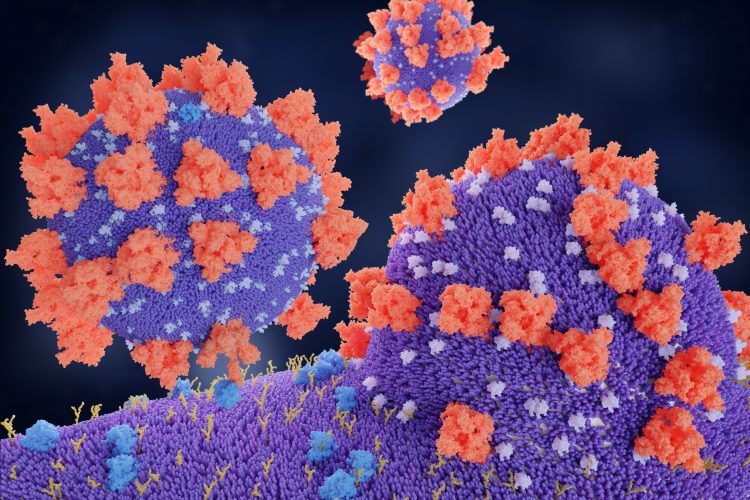
Researchers have examined pre-existing research into bacterial respiratory tract infections and applied the findings to COVID-19, with some success. According to the scientists, a sphingosine nasal spray could potentially prevent or treat SARS-CoV-2 infections.
With regular news updates and feature articles, our COVID-19 hub has everything you need to keep up to date with R&D during the pandemic. Click below to visit:
The team from the University of Cincinnati (UC), US, established that sphingosine – a lipid naturally found in the human body, which is key for cellular lipid metabolism – is important in the local immune defences of epithelial cells, which line the surfaces of the body (eg, skin, blood vessels, urinary tract and organs) and protect them from pathogens.
“We investigated whether a specific lipid [sphingosine] is able to interfere with the binding of SARS-CoV-2 to human epithelial cells,” said corresponding author Dr Erich Gulbins, a visiting professor in UC’s Department of Surgery and chair of the Department of Molecular Biology at the University of Duisburg-Essen, Germany.
Drug Target Review has just announced the launch of its NEW and EXCLUSIVE report examining the evolution of AI and informatics in drug discovery and development.
In this 63 page in-depth report, experts and researchers explore the key benefits of AI and informatics processes, reveal where the challenges lie for the implementation of AI and how they see the use of these technologies streamlining workflows in the future.
Also featured are exclusive interviews with leading scientists from AstraZeneca, Auransa, PolarisQB and Chalmers University of Technology.
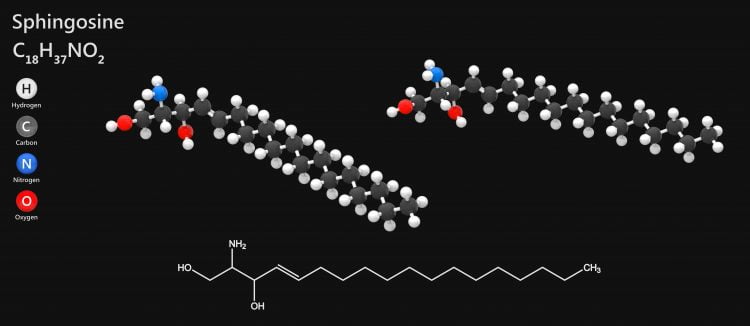
“Sphingosine has been shown in past studies to prevent and eliminate bacterial infections of the respiratory tract, but it is unknown if it can be used to prevent viral infections. The coronavirus needs to bind to specific molecules on the surface of human cells as a prerequisite to infect them,” Gulbins explained. “This is similar to the key and lock principle of a door: To open the door you must insert the key into the lock. We show that the lipid sphingosine binds into the cellular ‘lock’, the receptor ACE2 [angiotensin converting enzyme 2], for SARS-CoV-2 and thereby prevents binding of the virus to and infection of human cells.”
In cultured human cells with SARS-CoV-2 particles added sphingosine prevented cellular infection. Gulbins also reported: “pre-treatment of cultured cells or freshly obtained human nasal epithelial cells with low concentrations of sphingosine prevented adhesion of and infection with the virus.”
He concluded: “These findings indicate that sphingosine prevents at least some viral infection by interfering with the interaction of the virus with its receptor; it could be used as a nasal spray to prevent or treat infections with SARS-CoV-2. The nasal spray must be developed, but… more research is needed to see if this could be a treatment for COVID-19.”
The findings were published in the Journal of Biological Chemistry.
Related topics
Cell culture, Disease research, Drug Discovery, Drug Leads, Drug Targets, Immunology, In Vitro, Lipidomics, Lipids, Therapeutics
Related conditions
Coronavirus, Covid-19
Related organisations
University of Cincinnati (UC), University of Duisburg-Essen
Related people
Dr Erich Gulbins

It looks sphingosine is naturally found in the human body. In that case, it should, automatically, prevent the bacterial and viral infections. Then, where is the need to produce it synthetically and then used as a nasal spray. At best, we should try to enhance its natural production, itself. The issue is not clear.