


Apilimod small molecule shows potent inhibition of SARS-CoV-2 in cells
Posted: 7 August 2020 | Victoria Rees (Drug Target Review) | No comments yet
Researchers have found the small molecules Apilimod and Vacuolin-1 inhibited the PIKfyve kinase in cells, preventing infection from Zaire ebolavirus and SARS-CoV-2.
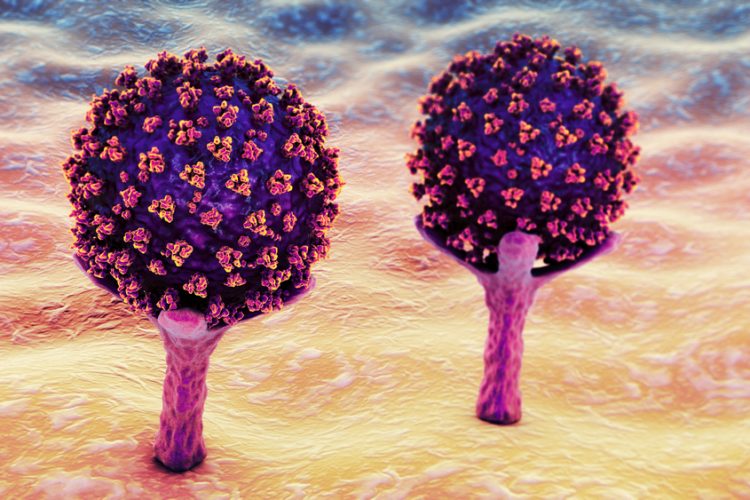
Researchers report that they have used small molecules to successfully inhibit infection in cells from both the Zaire ebolavirus and SARS-CoV-2, the virus causing the COVID-19 pandemic.
With regular news updates and feature articles, our COVID-19 hub has everything you need to keep up to date with R&D during the pandemic. Click below to visit:
Conducted by researchers from Harvard Medical School and Washington University in St Louis, both US, the study showed that the Apilimod and Vacuolin-1 small molecules were effective at preventing infection.
According to the team, the small molecules were tested on flow cytometry-based assays and cell-based assays. The compounds showed potent inhibitory effects on the content release and infection by chimeric vesicular stomatitis virus (VSV), which contained the envelope proteins of Zaire ebolavirus or SARS-CoV-2. They found that Apilimod was particularly potent against SARS-CoV-2.
Drug Target Review has just announced the launch of its NEW and EXCLUSIVE report examining the evolution of AI and informatics in drug discovery and development.
In this 63 page in-depth report, experts and researchers explore the key benefits of AI and informatics processes, reveal where the challenges lie for the implementation of AI and how they see the use of these technologies streamlining workflows in the future.
Also featured are exclusive interviews with leading scientists from AstraZeneca, Auransa, PolarisQB and Chalmers University of Technology.
The researchers say these compounds inhibit the main endosomal phosphatidylinositol-3-phosphate/phosphatidylinositol 5-kinase (PIKfyve). This then prevented the release of the viral contents from endosomes. Both inhibitory compounds caused the distension of Rab5 and Rab7 subcompartments into small vacuoles, say the researchers.
“These results define tools for studying the intracellular trafficking of pathogens elicited by inhibition of PIKfyve kinase and suggest the potential for targeting this kinase in developing small-molecule antivirals against SARS-CoV-2,” write the researchers in their paper.
The team add that Apilimod is safe and well-tolerated, as this has been proven in Phase I and II trials. However, this study was discontinued due to a lack of effectiveness on the autoimmune condition it was tested against. Therefore, it could prove to be a potent therapy for COVID-19.
The findings were published in Proceedings of the National Academy of Sciences in the United States of America.
Related topics
Drug Development, Drug Leads, Drug Targets, Kinases, Research & Development, Targets, Therapeutics
Related conditions
Coronavirus, Covid-19
Related organisations
Harvard Medical School, Washington University in St. Louis
