

Decoy ACE2 receptors show promise as COVID-19 treatment in cell cultures
Posted: 5 August 2020 | Victoria Rees (Drug Target Review) | No comments yet
A new decoy receptor of ACE2 has been created which binds to and neutralises COVID-19 in live tissue cultures, preventing cells from becoming infected.
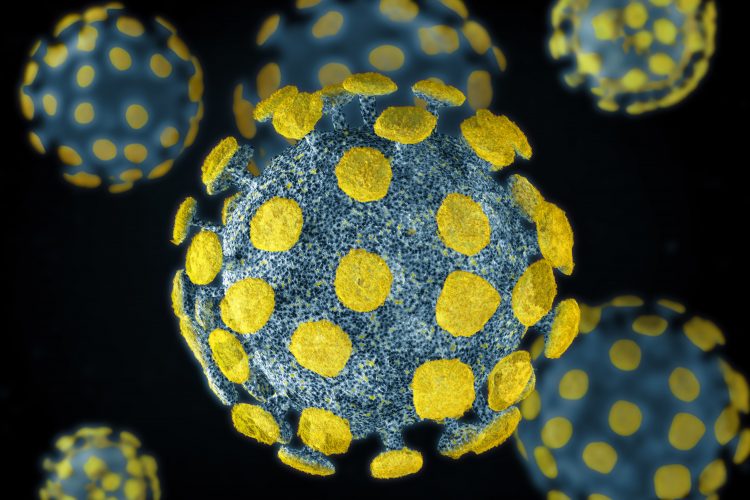
A new study has suggested that tricking SARS-CoV-2, the virus causing the COVID-19 pandemic, with a decoy – an engineered, free-floating receptor protein – can bind the virus and block infection. The research was conducted at the University of Illinois, Urbana-Champaign, US.
With regular news updates and feature articles, our COVID-19 hub has everything you need to keep up to date with R&D during the pandemic. Click below to visit:
The researchers say that SARS-CoV-2 binds to a receptor called angiotensin-converting enzyme 2 (ACE2), which plays a number of roles in regulating blood pressure, blood volume and inflammation. Researchers hypothesise that many symptoms associated with COVID-19 may stem from the coronavirus binding to ACE2, preventing it from doing its job.
“Administering a decoy based on ACE2 might not only neutralise infection, but may have the additional benefit of rescuing lost ACE2 activity and directly treating aspects of COVID-19,” said lead researcher Professor Erik Procko. “A benefit of a decoy receptor is that it closely resembles the natural receptor. Therefore, the virus cannot easily adapt to escape neutralisation without simultaneously losing its ability to bind to its natural receptor. This means the virus has limited ability to acquire resistance.”
Drug Target Review has just announced the launch of its NEW and EXCLUSIVE report examining the evolution of AI and informatics in drug discovery and development.
In this 63 page in-depth report, experts and researchers explore the key benefits of AI and informatics processes, reveal where the challenges lie for the implementation of AI and how they see the use of these technologies streamlining workflows in the future.
Also featured are exclusive interviews with leading scientists from AstraZeneca, Auransa, PolarisQB and Chalmers University of Technology.
Although ACE2 binds to SARS-CoV-2, it is not optimised for that purpose, which means that subtle mutations to the receptor could make it bind more strongly. This makes it an ideal candidate for a decoy receptor, Procko said.
He examined over 2,000 ACE2 mutations and created cells with mutant receptors on their surfaces. By analysing how these interacted with SARS-CoV-2, Procko found a combination of three mutations that made a receptor that bound to the virus 50 times more strongly, making it a much more attractive target for the virus.
Procko then made a soluble version of the engineered receptor. Detached from cells, the soluble receptor is suspended in solution and free to interact with the virus as a decoy receptor.
After he posted his findings to a pre-print server, a colleague connected him with the US Army Medical Research Institute of Infectious Diseases. Researchers there, along with the lab of Illinois biochemistry professor David Kranz, verified the strong affinity between the virus and the decoy receptor, rivalling the best antibodies identified to date. Furthermore, they found that the decoy receptor not only binds to the virus in live tissue cultures, it effectively neutralises it, preventing cells from becoming infected.
According to the team, further work is required to determine whether the decoy receptors could be an effective treatment of or preventive agent against COVID-19.
“We are testing whether the decoy receptor is safe and stable in mice and if successful, we then hope to show treatment of disease in animals. Hopefully that data can facilitate a clinical trial,” Procko said. He also is exploring how the decoy receptor bonds to other coronaviruses with potential to become future pandemics if they cross from bats to humans.
The study was published in the journal Science.
Related topics
Drug Discovery, Drug Leads, Drug Targets, Research & Development, Target molecule, Targets, Therapeutics
Related conditions
Coronavirus, Covid-19
Related organisations
University of Illinois Urbana-Champaign, US Army Medical Research Institute of Infectious Diseases
Related people
David Kranz, Professor Erik Procko
