

Protease inhibitors with antiviral activity against coronaviruses developed
Posted: 4 August 2020 | Victoria Rees (Drug Target Review) | No comments yet
Researchers have created compounds called 3C-like protease inhibitors which demonstrated antiviral activity against several coronaviruses in cells, including COVID-19.
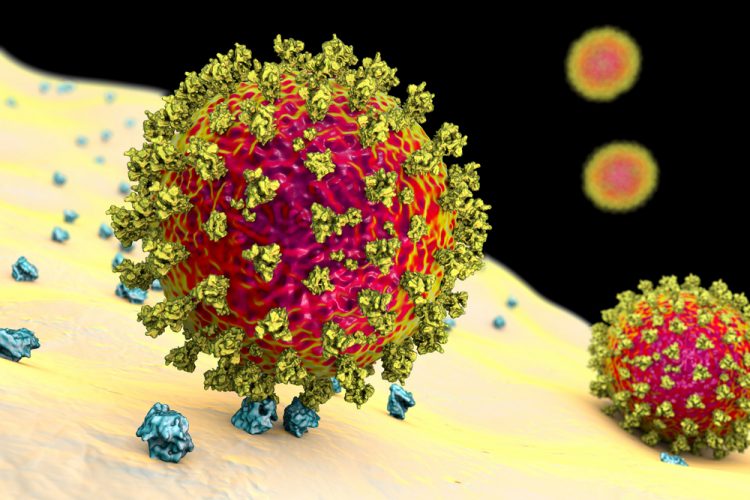
A team of scientists has engineered antiviral compounds named 3C-like protease inhibitors that they say can kill several types of coronaviruses, including SARS-CoV-2, the virus that causes COVID-19.
With regular news updates and feature articles, our COVID-19 hub has everything you need to keep up to date with R&D during the pandemic. Click below to visit:
Led by Athri Rathnayake from Wichita State University, US, the study revealed that the compounds neutralised viruses in human airway cells and improved survival in mice infected with a closely related virus that causes Middle East respiratory syndrome (MERS). According to the team, the novel compounds’ broad activity suggest that they should be further developed as treatments for infections with emerging coronaviruses.
In previous work, Rathnayake and colleagues had developed a series of 3C-like protease inhibitors, which target an enzyme essential to the replication of coronaviruses. In the current study, they tested several 3C-like protease inhibitors in cells infected with SARS-CoV-2, SARS-CoV or MERS-CoV in an enzyme assay and cell-based assays.
Drug Target Review has just announced the launch of its NEW and EXCLUSIVE report examining the evolution of AI and informatics in drug discovery and development.
In this 63 page in-depth report, experts and researchers explore the key benefits of AI and informatics processes, reveal where the challenges lie for the implementation of AI and how they see the use of these technologies streamlining workflows in the future.
Also featured are exclusive interviews with leading scientists from AstraZeneca, Auransa, PolarisQB and Chalmers University of Technology.
One of the compounds, named 6e, showed strong activity against SARS-CoV-2 and inhibited viral replication by tenfold in cultured human airway epithelial cells taken from infected donors. Another potent compound named 6j boosted the odds of survival in mice infected with MERS-CoV, greatly decreased the amount of virus in the lungs and prevented dangerous complications like lung edema. The team found that this compound increased the rate of mouse survival from zero to 100 percent.
The researchers now plan to conduct further research to see whether one of their compounds could effectively treat both MERS and COVID-19 in humans.
The study was published in Science Translational Medicine.
Related topics
Drug Discovery, Drug Leads, Drug Targets, Research & Development, Target molecule
Related conditions
Coronavirus, Covid-19, Middle East Respiratory Syndrome (MERS)
Related organisations
Wichita State University
Related people
Athri Rathnayake
