


Chloroquine does not prevent SARS-CoV-2 infection in human lung cells, study finds
Posted: 23 July 2020 | Victoria Rees (Drug Target Review) | No comments yet
A new study has shown that while chloroquine protects African green monkey kidney cells from SARS-CoV-2 infection, it does not protect human lung cells.
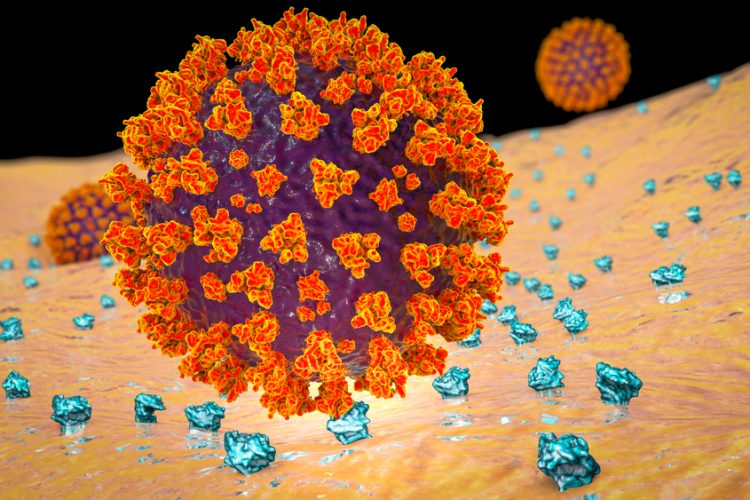
A new study has shown that the malaria drug chloroquine does not prevent infection of human lung cells with SARS-CoV-2, the virus responsible for the COVID-19 outbreak.
With regular news updates and feature articles, our COVID-19 hub has everything you need to keep up to date with R&D during the pandemic. Click below to visit:
Previously, the drug has shown efficacy at inhibiting SARS-CoV-2 infection in African green monkey kidney cells. However, researchers from the Infection Biology Unit of the German Primate Center (DPZ) – Leibniz Institute for Primate Research in Göttingen, together with colleagues at the Charité in Berlin, demonstrated that chloroquine is not able to prevent infection of human lung cells with SARS-CoV-2. They conclude that chloroquine is therefore unlikely to prevent the spread of the virus in the lung and should not be used for the treatment of COVID-19.
According to the researchers, SARS-CoV-2 is able to use two different routes to enter cells. First, after attaching to the cells, the virus can fuse directly with the plasma membrane and introduce its genetic material into the host cell. Second, it can enter the interior of the cells upon uptake via endosomes. In both cases, the attachment of the virus to the cells and subsequent entry is mediated by the viral Spike (S) protein. For this purpose, the S protein must be activated either by the enzyme cathepsin L (in endosomes) or by the enzyme TMPRSS2 (on the cell surface). Depending on the cell type, both enzymes or only one of them can be available for activation.
Drug Target Review has just announced the launch of its NEW and EXCLUSIVE report examining the evolution of AI and informatics in drug discovery and development.
In this 63 page in-depth report, experts and researchers explore the key benefits of AI and informatics processes, reveal where the challenges lie for the implementation of AI and how they see the use of these technologies streamlining workflows in the future.
Also featured are exclusive interviews with leading scientists from AstraZeneca, Auransa, PolarisQB and Chalmers University of Technology.
Since chloroquine inhibits the infection of monkey kidney cells with SARS-CoV-2, the drug has been tested in clinical trials as a possible candidate for the treatment of COVID-19. However, how chloroquine inhibits the infection of monkey kidney cells was not clear. The current study shows that the drug inhibits viral entry into cells, most likely by blocking cathepsin L activity. This raised the question of whether chloroquine also inhibits the infection of lung cells that are known to produce TMPRSS2 but only a small amount of cathepsin L.
The researchers found that chloroquine does not prevent SARS-CoV-2 entry into human lung cells and subsequent spread of the virus in these cells.
“In this study, we show that the antiviral activity of chloroquine is cell type-specific and that chloroquine does not block the infection of lung cells. This means that in future tests of potential COVID-19 drugs, care should be taken that relevant cell lines are used for the investigations in order not to waste unnecessary time and resources in our search for effective COVID-19 therapeutics,” said Stefan Pöhlmann, head of the Infection Biology Unit at DPZ. “COVID-19 is primarily caused by the infection of lung cells, for this reason these cells should be given priority in efficacy tests.”
The results were published in Nature.
Related topics
Drug Development, Research & Development, Target Validation
Related conditions
Coronavirus, Covid-19
Related organisations
German Primate Center (DPZ), Leibniz Institute for Primate Research
Related people
Stefan Pöhlmann
