

“Potent” antibodies provide protection from COVID-19 in cell cultures, finds study
Posted: 16 June 2020 | Victoria Rees (Drug Target Review) | No comments yet
Newly discovered antibodies found in the blood of recovered COVID-19 patients could provide robust protection against SARS-CoV-2, say researchers.
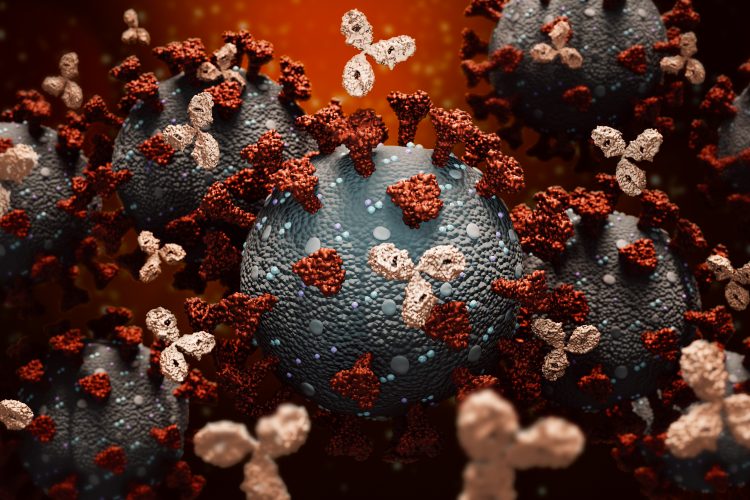
A team led by Scripps Research, US, report they have discovered antibodies in the blood of recovered COVID-19 patients that provide powerful protection against SARS-CoV-2, the coronavirus that causes the disease, when tested in animals and human cell cultures.
With regular news updates and feature articles, our COVID-19 hub has everything you need to keep up to date with R&D during the pandemic. Click below to visit:
According to the scientists, the research sets the stage for clinical trials and additional tests of the antibodies, which are now being produced as potential treatments and preventives for COVID-19.
“The discovery of these very potent antibodies represents an extremely rapid response to a totally new pathogen,” said study co-senior author Dr Dennis Burton, the James and Jessie Minor Chair in Immunology in the Department of Immunology & Microbiology at Scripps Research.
Drug Target Review has just announced the launch of its NEW and EXCLUSIVE report examining the evolution of AI and informatics in drug discovery and development.
In this 63 page in-depth report, experts and researchers explore the key benefits of AI and informatics processes, reveal where the challenges lie for the implementation of AI and how they see the use of these technologies streamlining workflows in the future.
Also featured are exclusive interviews with leading scientists from AstraZeneca, Auransa, PolarisQB and Chalmers University of Technology.
During the study, the researchers took blood samples from patients who had recovered from mild-to-severe COVID-19. In parallel, scientists at Scripps Research and IAVI (a non-profit scientific research organisation) developed test cells that express angiotensin-converting enzyme 2 (ACE2), the receptor that SARS-CoV-2 uses to get into human cells. In initial experiments, the team tested whether antibody-containing blood from the patients could bind to the virus and strongly block it from infecting the test cells.
The scientists were able to isolate more than 1,000 distinct antibody-producing B cells, each of which produced a distinct anti-SARS-CoV-2 antibody. The team obtained the antibody gene sequences from these B cells so that they could produce the antibodies in the laboratory. By screening these antibodies individually, the team identified several that, even in tiny quantities, could block the virus in test cells and one that could also protect hamsters against heavy viral exposure.
“We leveraged our institution’s decades of expertise in antibody isolation and quickly pivoted our focus to SARS-CoV-2 to identify these highly potent antibodies,” said study co-author Dr Elise Landais, an IAVI principal scientist.
If further safety tests in animals and clinical trials in people go well, then the antibodies could be used in clinical settings as early as next January, the researchers say.
“We intend to make them available to those who need them most, including people in low- and middle-income countries,” Landais said.
In the course of their attempts to isolate anti-SARS-CoV-2 antibodies from the COVID-19 patients, the researchers also found one that can also neutralise SARS-CoV, the related coronavirus that caused the 2002-2004 outbreak of severe acute respiratory syndrome (SARS).
“That discovery gives us hope that we will eventually find broadly neutralising antibodies that provide at least partial protection against all or most SARS coronaviruses, which should be useful if another one jumps to humans,” Burton said.
The study was published in Science.
Related topics
Antibodies, Antibody Discovery, Drug Discovery, Drug Targets, Immunology, Research & Development, Targets, Therapeutics
Related conditions
Coronavirus, Covid-19, Severe Acute Respiratory Syndrome (SARS)
Related organisations
IAVI, Scripps Research
Related people
Dr Dennis Burton, Dr Elise Landais
