


COVID-19 poses threat to entire nervous system, says study
Posted: 15 June 2020 | Victoria Rees (Drug Target Review) | No comments yet
Following an analysis of scientific literature, researchers say that COVID-19 may affect the entire nervous system, including the brain, spinal cord, nerves and muscles.
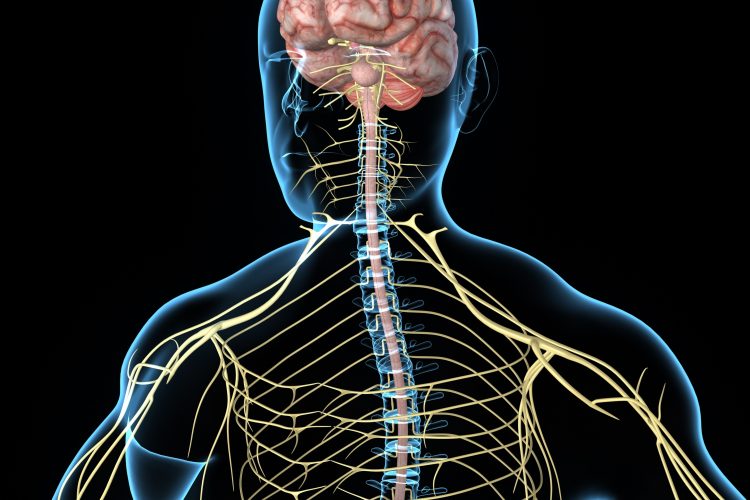
A new review of neurological symptoms of COVID-19 patients in current scientific literature has revealed that the disease poses a global threat to the entire nervous system.
With regular news updates and feature articles, our COVID-19 hub has everything you need to keep up to date with R&D during the pandemic. Click below to visit:
According to the researchers from Northwestern Medicine, US, about half of hospitalised patients have neurological manifestations of COVID-19, which include headache, dizziness, decreased alertness, difficulty concentrating, disorders of smell and taste, seizures, strokes, weakness and muscle pain.
“It’s important for the general public and physicians to be aware of this, because a SARS-CoV-2 infection may present with neurologic symptoms initially, before any fever, cough or respiratory problems occur,” said lead author of the review, Dr Igor Koralnik, Northwestern Medicine chief of neuro-infectious diseases and global neurology and a professor of neurology at Northwestern University Feinberg School of Medicine.
Drug Target Review has just announced the launch of its NEW and EXCLUSIVE report examining the evolution of AI and informatics in drug discovery and development.
In this 63 page in-depth report, experts and researchers explore the key benefits of AI and informatics processes, reveal where the challenges lie for the implementation of AI and how they see the use of these technologies streamlining workflows in the future.
Also featured are exclusive interviews with leading scientists from AstraZeneca, Auransa, PolarisQB and Chalmers University of Technology.
The review describes the different neurological conditions that may occur in COVID-19 patients and how to diagnose them, as well as likely pathogenic mechanisms.
“This understanding is key to direct appropriate clinical management and treatment,” Koralnik said.
The researchers highlight that the disease may affect the entire nervous system, including the brain, spinal cord and nerves as well as the muscles. There are many different ways COVID-19 can cause neurological dysfunction, they explain. As the disease may affect multiple organs (lung, kidney, heart), the brain may also suffer from lack of oxygenation or from clotting disorders that may lead to ischemic or haemorrhagic strokes. In addition, the virus may cause direct infection of the brain and meninges. Finally, the researchers say the reaction of the immune system to the infection may cause inflammation that can damage the brain and nerves.
Now, Koralnik and his colleagues have formed a Neuro-COVID research team and started a retrospective analysis of all COVID-19 patients hospitalised at Northwestern Medicine to determine the frequency and type of neurological complications, as well as response to treatment.
Since knowledge about the long term outcome of neurologic manifestations of COVID-19 is limited, Koralnik also will follow some of those patients prospectively in his new outpatient Neuro-COVID clinic to determine if neurological problems are temporary or permanent. According to Koralnik, these studies will provide the foundation on how to diagnose, manage and treat the many neurologic manifestations of COVID-19.
The study was published in Annals of Neurology.
Related topics
CNS, Disease research, Drug Targets, Research & Development
Related conditions
Coronavirus, Covid-19
Related organisations
Neuro-COVID, Northwestern Medicine
Related people
Dr Igor Koralnik
