


Link identified between COVID-19 and onset of diabetes
Posted: 15 June 2020 | Victoria Rees (Drug Target Review) | 1 comment
New research indicates COVID-19 could trigger the development of diabetes in healthy people, prompting experts to establish a registry for COVID-19 and diabetes data.
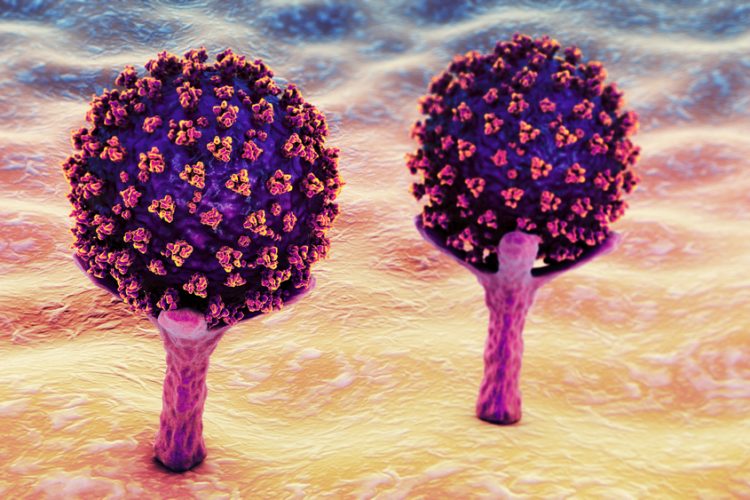
According to new research and emerging evidence, COVID-19 could trigger the onset of diabetes in healthy people and also cause severe complications for patients with pre-existing diabetes.
With regular news updates and feature articles, our COVID-19 hub has everything you need to keep up to date with R&D during the pandemic. Click below to visit:
A published letter signed by an international group of 17 leading diabetes experts involved in the CoviDiab Registry project, a collaborative international research initiative, has announced the establishment of a global registry for new cases of diabetes in patients with COVID-19.
The registry aims to understand the extent and the characteristics of the manifestations of diabetes in patients with COVID-19 and the best strategies for the treatment and monitoring of affected patients, during and after the pandemic.
Drug Target Review has just announced the launch of its NEW and EXCLUSIVE report examining the evolution of AI and informatics in drug discovery and development.
In this 63 page in-depth report, experts and researchers explore the key benefits of AI and informatics processes, reveal where the challenges lie for the implementation of AI and how they see the use of these technologies streamlining workflows in the future.
Also featured are exclusive interviews with leading scientists from AstraZeneca, Auransa, PolarisQB and Chalmers University of Technology.
According to the researchers, clinical observations so far show a bi-directional relationship between COVID-19 and diabetes. On the one hand, diabetes is associated with increased risk of COVID-19 severity and mortality. Between 20 and 30 percent of patients who died with COVID-19 have been reported to have diabetes. On the other hand, new-onset diabetes and atypical metabolic complications of pre-existing diabetes, including life-threatening ones, have been observed in people with COVID-19.
The authors write that it is still unclear how SARS-Cov-2, the virus that causes COVID-19, impacts diabetes. Previous research has shown that angiotensin-converting enzyme 2 (ACE2), the protein that binds to SARS-Cov-2 allowing the virus to enter human cells, is not only located in the lungs but also in organs and tissues involved in glucose metabolism such as the pancreas, the small intestine, the fat tissue, the liver and the kidney. Researchers hypothesise that by entering these tissues, the virus may cause multiple and complex dysfunctions of glucose metabolism. It has also been known for many years that virus infections can precipitate type 1 diabetes.
The researchers say that the registry focuses on routinely collected clinical data that will help scientists to examine insulin secretory capacity, insulin resistance and autoimmune antibody status to understand how COVID-19 related diabetes develops, its natural history and best management. As such, studying COVID-19-related diabetes may help to uncover novel mechanisms of the disease.
Francesco Rubino, Professor of Metabolic Surgery at King’s College London, UK, and co-lead investigator of the CoviDiab Registry project, said: “Diabetes is one of the most prevalent chronic diseases and we are now realising the consequences of the inevitable clash between two pandemics. Given the short period of human contact with this new coronavirus, the exact mechanism by which the virus influences glucose metabolism is still unclear and we do not know whether the acute manifestation of diabetes in these patients represent classic type 1, type 2 or possibly a new form of diabetes.”
Paul Zimmet, Professor of Diabetes at Monash University, Australia, Honorary President of the International Diabetes Federation and co-lead investigator in the CoviDiab Registry project said: “We do not yet know the magnitude of the new onset diabetes in COVID-19 and if it will persist or resolve after the infection; and if so, whether or not or COVID-19 increases risk of future diabetes. By establishing this global registry, we are calling on the international medical community to rapidly share relevant clinical observations that can help answer these questions.”
The letter can be found in New England Journal of Medicine.
Related topics
Disease research, Drug Development, Drug Targets, Research & Development, Targets
Related conditions
Coronavirus, Covid-19, Diabetes, type 1 diabetes
Related organisations
King's College London, Monash University
Related people
Francesco Rubino, Paul Zimmet

Maybe a trigger for the onset of diabetes is also associated with infection by other viral pathogens.