

Naphthalene-based PLpro inhibitors show potential as COVID-19 therapeutics
Posted: 12 June 2020 | Victoria Rees (Drug Target Review) | No comments yet
A group of small molecules called naphthalene-based PLpro inhibitors have been shown to block the activity of a SARS-CoV-2 protein, demonstrating potential as COVID-19 therapeutics.
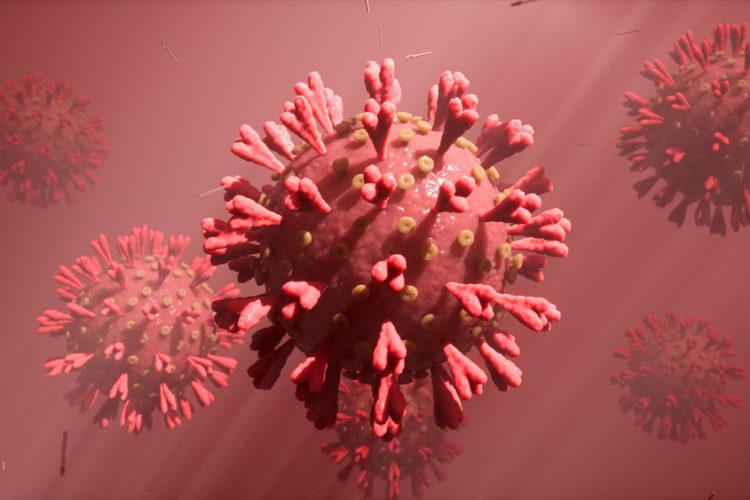
A team of researchers has successfully demonstrated that a set of drug-like small molecules can inhibit the activity of a vital SARS-CoV-2 protein, which they say provides a promising path for new COVID-19 therapeutics.
With regular news updates and feature articles, our COVID-19 hub has everything you need to keep up to date with R&D during the pandemic. Click below to visit:
From the University of Georgia (UGA), US, a team led by Professor Scott Pegan, director of the university’s Center for Drug Discovery, was the first to evaluate the SARS-CoV-2 protein PLpro, known to be essential in other coronaviruses for both its replication and its ability to suppress host immune function.
“The PLpro from SARS-CoV-2 behaved differently than its predecessor that caused the severe acute respiratory syndrome (SARS) outbreak in 2003. Specifically, our data suggests that the SARS-CoV-2 PLpro is less effective at its immune suppression roles,” said Pegan. “This may be one of the underlying reasons why the current virus is not as fatal as the virus from the 2003 outbreak… The COVID-19 virus infects, but people don’t run a fever before they are contagious, so there’s a lot of focus on how virulence factors like PLpro have been modified by nature to give the virus a better chance, from its perspective, to coexist with us.”
Drug Target Review has just announced the launch of its NEW and EXCLUSIVE report examining the evolution of AI and informatics in drug discovery and development.
In this 63 page in-depth report, experts and researchers explore the key benefits of AI and informatics processes, reveal where the challenges lie for the implementation of AI and how they see the use of these technologies streamlining workflows in the future.
Also featured are exclusive interviews with leading scientists from AstraZeneca, Auransa, PolarisQB and Chalmers University of Technology.
The team started to explore inhibitors designed to knock out PLpro and stop replication of the virus. They began with a series of compounds that were discovered 12 years ago and shown to be effective against SARS, but development was cut short since SARS had not reappeared.
“Obviously now we see the current coronavirus is probably going to be with us for a while – if not this one, then probably other types of coronaviruses,” Pegan said. “These compounds are a good starting point for therapeutic development. They have all the properties you would typically want to find in a drug and they have a history of not being considered toxic.”
These compounds, naphthalene-based PLpro inhibitors, are shown to be effective at halting SARS-CoV-2 PLpro activity as well as replication in cellular models. According to the researchers, they offer a potential rapid development path to generating PLpro-targeted therapeutics for use against SARS-CoV-2.
“The kind of small molecules that we’re developing are some of the first that are specifically designed for this coronavirus protease,” Pegan said. “Up till now, most therapeutic work against SARS has targeted another virulence factor, C3Lpro. This is a great start with a different target. Our hope is that we can turn this into a starting point for creating a drug that we can get in front of the US Food and Drug Administration (FDA).”
The study was published in Infectious Diseases.
Related topics
Drug Development, Drug Leads, Drug Targets, Research & Development, Small Molecules, Target molecule, Therapeutics
Related conditions
Coronavirus, Covid-19, Severe Acute Respiratory Syndrome (SARS)
Related organisations
University of Georgia
Related people
Professor Scott Pegan
