


Combination of two neutralising antibodies suggested as COVID-19 treatment
Posted: 14 May 2020 | Victoria Rees (Drug Target Review) | No comments yet
Two antibodies named B38 and H4 could work as a COVID-19 therapeutic by neutralising the virus, say researchers in China.
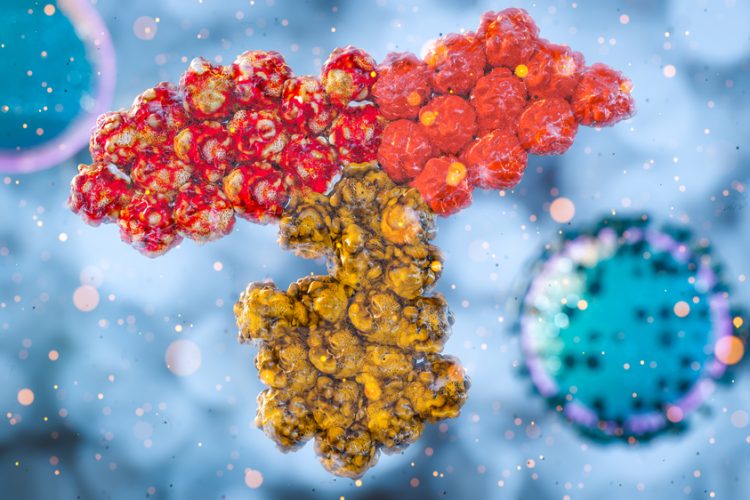
A new study has led to the discovery of two neutralising antibodies which the researchers say can prevent SARS-CoV-2 infection, the virus causing the COVID-19 pandemic.
With regular news updates and feature articles, our COVID-19 hub has everything you need to keep up to date with R&D during the pandemic. Click below to visit:
The scientists identified a pair of neutralising antibodies that bind to the Spike (S) glycoprotein of the SARS-CoV-2 virus, blocking the S protein’s ability to bind to the human Angiotensin-converting enzyme 2 (ACE2) receptor, which mediates viral entry into host cells.
The Chinese researchers, from a range of institutions, obtained the antibodies after isolated them from a patient who recovered from COVID-19.
Drug Target Review has just announced the launch of its NEW and EXCLUSIVE report examining the evolution of AI and informatics in drug discovery and development.
In this 63 page in-depth report, experts and researchers explore the key benefits of AI and informatics processes, reveal where the challenges lie for the implementation of AI and how they see the use of these technologies streamlining workflows in the future.
Also featured are exclusive interviews with leading scientists from AstraZeneca, Auransa, PolarisQB and Chalmers University of Technology.
Preliminary tests of the two antibodies in a mouse model resulted in a reduction of virus titers, suggesting that the antibodies may offer therapeutic benefits – in addition to informing the design of small molecule therapeutics and vaccine candidates to fight COVID-19.
Yan Wu and colleagues found that the antibodies, named B38 and H4, can each bind simultaneously to different epitopes on the S receptor binding domain (RBD), meaning that both antibodies used together may confer a stronger neutralising effect than either antibody on its own – a finding supported by in vitro experiments. According to the researchers, this also means that, should one of the viral epitopes mutate in a way that prevents the binding of one of the two antibodies (known as immune escape), the other antibody may yet retain its neutralising activity.
By imaging the structure of the viral S RBD bound to B38, the team confirmed that B38 binds to a subset of the amino acids bound by ACE2 in the RBD, providing an explanation for why B38 confers such strong neutralising effects. The authors suggest that a ‘cocktail’ containing both antibodies could provide direct therapeutic benefits for COVID-19 patients, while the new information regarding the viral S epitopes could aid the development of small molecule antivirals and vaccine candidates to fight the SARS-CoV-2 virus.
The paper was published in Science.
Related topics
Antibodies, Antibody Discovery, Drug Development, Drug Targets, Immunology, Research & Development
Related conditions
Coronavirus, Covid-19
Related people
Yan Wu
