


Mitochondria-boosting compound promotes immunotherapy in mice
Posted: 4 March 2020 | Victoria Rees (Drug Target Review) | No comments yet
Researchers have discovered that a small molecule can help some T cells combat tumours during PD-1 blockade immunotherapy in mice.
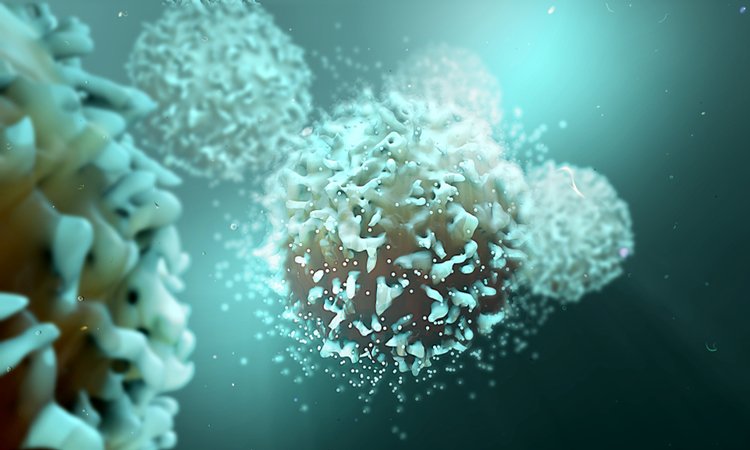
A small molecule that inhibits energy production in T cells allows some tumours in mice to escape treatment with an immunotherapy called PD-1 blockade therapy, says a new study from Kyoto University, Japan.
One kind of cancer immunotherapy blocks PD-1, a receptor on the surface of T cells. Cancer cells express a protein that binds to this receptor and interferes with T-cell ability to kill tumour cells. But while drugs that block this receptor can reactivate the T cells, they are not always effective.
“Despite the great success of PD-1 blockade therapy, we need to improve its efficacy because more than half of patients’ tumours don’t respond to it,” said lead author Alok Kumar, a PhD student in the Department of Immunology and Genomic Medicine at Kyoto University.
Drug Target Review has just announced the launch of its NEW and EXCLUSIVE report examining the evolution of AI and informatics in drug discovery and development.
In this 63 page in-depth report, experts and researchers explore the key benefits of AI and informatics processes, reveal where the challenges lie for the implementation of AI and how they see the use of these technologies streamlining workflows in the future.
Also featured are exclusive interviews with leading scientists from AstraZeneca, Auransa, PolarisQB and Chalmers University of Technology.
To learn why so many tumours fail to respond to PD-1 blockade therapy, Kumar and his colleagues studied mice with two types of tumour cells: some that were sensitive to PD-1 blockade therapy and others that were not. This allowed the team to identify two different types of tumours that do not respond to PD-1. One type suppressed the immune system and caused even the PD-1-sensitive tumour cells to grow, while the other had no effect on PD-1-sensitive tumour cells.
“We found that some human cancer cells release immunosuppressive molecules that inhibit the activity of energy-producing mitochondria in T cells,” Kumar explained. Treating the mice with a mitochondria-boosting compound reversed this effect in the immunesuppressing tumour.
However, the immunotherapy treatment had no effect on the other type of tumour. Instead of impairing energy production in T cells, the other tumour made itself invisible to the immune system by failing to produce a protein that helps immune cells recognise tumour cells.
The identity of the molecule that helped the first type of tumour suppress mitochondria is currently unknown. The researchers hope that if they can find it, they can create drugs that hinder its activity. “If we could identify these unknown factors and develop drugs that block them, we could save patients’ lives by using the drugs alongside PD-1 blockade therapy to prevent tumours from defending themselves,” says senior author Tasuku Honjo, Professor of Immunology and Genomic Medicine at Kyoto University.
The study was published in eLife.
Related topics
Drug Targets, Immunooncology, Immunotherapy, Small molecule, t-cells
Related conditions
Cancer
Related organisations
Kyoto University
Related people
Alok Kumar, Tasuku Honjo
