


Newly-discovered protein could play key role in fighting obesity
Posted: 21 November 2019 | Rachael Harper (Drug Target Review) | No comments yet
An unexpected finding about a protein that’s highly expressed in fat tissue could lead to new approaches for addressing obesity and many other diseases.
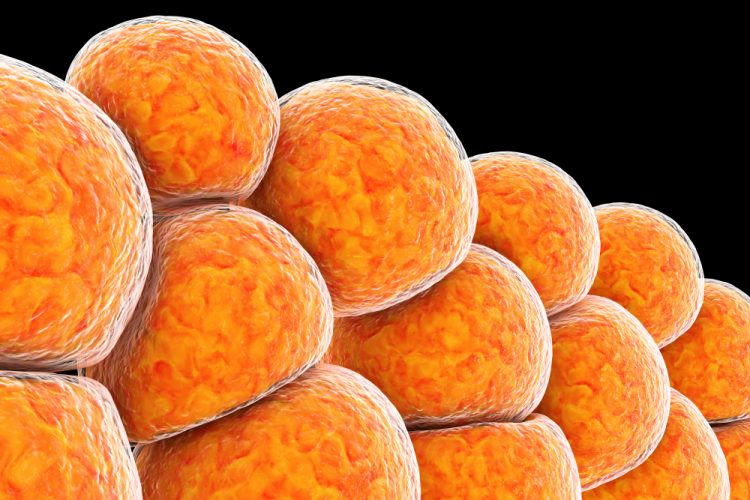
Scientists at Scripps Research, US have opened the door to critical new understandings about obesity and metabolism with an unexpected finding about a protein that is highly expressed in fat tissue.
This discovery, the scientists say, could lead to new approaches for addressing obesity and potentially many other diseases.
The signalling protein known as progesterone receptor membrane component 2 (PGRMC2) had previously been detected in the uterus, liver and several areas of the body. But the lab of Enrique Saez, PhD, saw that it was most abundant in fat tissue, particularly in brown fat, which turns food into heat to maintain body temperature.
Drug Target Review has just announced the launch of its NEW and EXCLUSIVE report examining the evolution of AI and informatics in drug discovery and development.
In this 63 page in-depth report, experts and researchers explore the key benefits of AI and informatics processes, reveal where the challenges lie for the implementation of AI and how they see the use of these technologies streamlining workflows in the future.
Also featured are exclusive interviews with leading scientists from AstraZeneca, Auransa, PolarisQB and Chalmers University of Technology.
The team built on their discovery, finding that PGRMC2 binds to and releases an essential molecule called heme, which travels within cells to enable crucial life processes such as cellular respiration, cell proliferation, cell death and circadian rhythms. Saez and his team found that PGRMC2 is a ‘chaperone’ of heme, encapsulating the molecule and transporting it from the cell’s mitochondria, where heme is created, to the nucleus, where it helps carry out important functions. Without a protective chaperone, heme would react with and destroy everything in its path.
Through studies involving mice, the scientists established PGRMC2 as the first intracellular heme chaperone to be described in mammals.

Healthy brown fat cells (shown in green) require ample amounts of a molecule called heme, which enables the body to metabolise food properly. The Saez laboratory at Scripps Research has described how this vital, but very toxic, metabolite is safely transported inside cells (credit: Scripps Research).
They also sought to find out what happens in the body if this protein doesn’t exist to transport heme and they discovered that without PGRMC2 present in their fat tissues, mice that were fed a high-fat diet became intolerant to glucose and insensitive to insulin. By contrast, obese-diabetic mice that were treated with a drug to activate PGRMC2 function showed a substantial improvement of symptoms associated with diabetes.
“We saw the mice get better, becoming more glucose tolerant and less resistant to insulin,” Saez said. “Our findings suggest that modulating PGRMC2 activity in fat tissue may be a useful pharmacological approach for reverting some of the serious health effects of obesity.”
Saez believes it’s possible that activating the heme chaperone in other organs (including the liver, where a large amount of heme is made) could help mitigate the effects of other metabolic disorders such as non-alcoholic steatohepatitis (NASH), which is a major cause of liver transplantation today.
“We’re curious to know whether this protein performs the same role in other tissues where we see defects in heme that result in disease,” Saez said.
The study was published in Nature.
Related topics
Protein, Protein Expression, Proteomics, Research & Development
Related conditions
Obesity
Related organisations
Scripps Research
Related people
Enrique Saez PhD
