


The fungal microbiome contributes to alcohol-induced liver damage in mice
Posted: 23 May 2017 | Niamh Marriott (Drug Target Review) | No comments yet
Alcoholism contributes to nearly half of liver cirrhosis-related deaths in the United States.
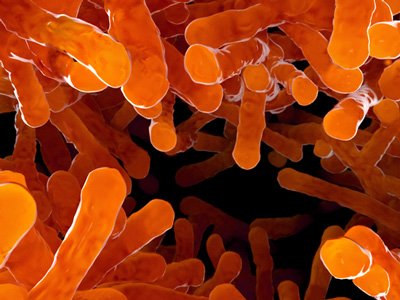
Chronic alcohol abuse is also known to alter the intestinal microbiome, a community of bacteria, fungi, and viruses that coexist in the gut and help maintain immunological and metabolic homeostasis. Whether microbial fluctuations contribute to liver disease in chronic alcohol users is unclear, and the effect of changing intestinal fungal populations has not been previously studied.
A study led by Bernd Schnabl connects alcohol-driven changes in the fungal microbiome to liver disease. The research team at the University of California San Diego discovered that chronic alcohol intake increased fungal populations in the intestine as well as levels of the fungal structural molecule β-glucan in the bloodstream of mice.
The latter result reaffirms prior findings that alcoholism increases the permeability of the intestine and permits gut microbes to leak into circulation. Further investigation revealed that fungal β-glucan activates an immune system receptor called CLEC7A on liver-dwelling immune cells, stimulating a pathway that provokes liver inflammation. Treating mice with anti-fungal agents prevented alcohol-induced fungal overgrowth and reduced signs of liver disease.
Drug Target Review has just announced the launch of its NEW and EXCLUSIVE report examining the evolution of AI and informatics in drug discovery and development.
In this 63 page in-depth report, experts and researchers explore the key benefits of AI and informatics processes, reveal where the challenges lie for the implementation of AI and how they see the use of these technologies streamlining workflows in the future.
Also featured are exclusive interviews with leading scientists from AstraZeneca, Auransa, PolarisQB and Chalmers University of Technology.
The findings of this study support further research into the fungal microbiome’s role in alcohol-related liver damage.
Related topics
Microbiology, Microbiome
Related organisations
University of California San Diego School of Medicine
Related people
Bernd Schnabl
