


Urine of premature babies a novel source of kidney stem cells
Posted: 7 March 2016 | Victoria White | No comments yet
A team, led by Professor Elena Levtchenko from KU Leuven, discovered that kidney stem cells are abundant in the urine of premature babies…
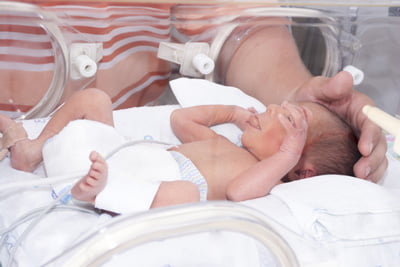
Patients with a kidney disease or injury can sometimes be helped with a specific type of stem cells.
Now, an international team, led by Professor Elena Levtchenko from KU Leuven, has now discovered that the urine of premature babies abounds with these cells.
Kidney stem cells or kidney progenitors have not yet developed into mature cells with fixed functions in the kidney. Therefore, they can be vital for patients with failing kidneys. However, kidney stem cells are difficult to find. The urine of adults, for instance, contains barely any ‘original’ kidney cells.
Drug Target Review has just announced the launch of its NEW and EXCLUSIVE report examining the evolution of AI and informatics in drug discovery and development.
In this 63 page in-depth report, experts and researchers explore the key benefits of AI and informatics processes, reveal where the challenges lie for the implementation of AI and how they see the use of these technologies streamlining workflows in the future.
Also featured are exclusive interviews with leading scientists from AstraZeneca, Auransa, PolarisQB and Chalmers University of Technology.
The team of Professor Levtchenko has now discovered that these kidney stem cells are abundant in the urine of premature babies. Human kidneys are fully developed by the 34th week of the pregnancy. In children born before that time, the process is not yet fully complete, and many kidney stem cells are still present.
“We took urine samples from premature babies, one day after they were born. In 50% of the samples, we found kidney progenitors”, says Professor Levtchenko from the KU Leuven Organ Systems Unit. “We made these cells develop into mature kidney cells, which have different functions in the kidney.”
This discovery is not just good news for patients with a kidney disease or injury: the premature babies themselves, too, may benefit from it. Children who are born prematurely have an increased risk of kidneys that fail to adequately filter waste products from the blood. A treatment with the original cells could help these new-borns. Further research will have to show whether this is indeed the case.
