
Automated assessment of liver and cardiac toxicities in lead optimisation
This webinar, supported by Tecan, focused on the automated assessment of liver and cardiac toxicities in lead optimisation, using biochemical and human iPS cell assays.
List view / Grid view
This webinar, supported by Tecan, focused on the automated assessment of liver and cardiac toxicities in lead optimisation, using biochemical and human iPS cell assays.
For most people, traditional High-Throughput Screening (HTS) represents large automation rigs and large libraries of small molecules screened against drug targets, however, the development of biological therapeutics has been gaining considerable pace for many reasons.
The demand for new therapeutics is driving efforts to discover novel antibodies and harness their power in both biologics and adoptive cell therapy areas.
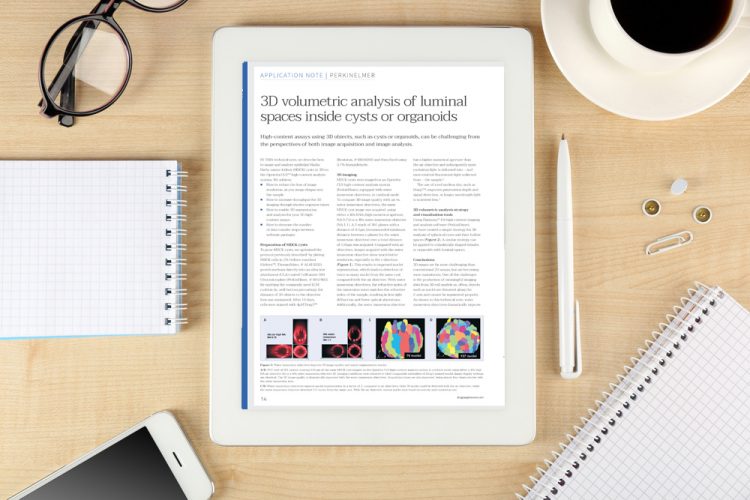
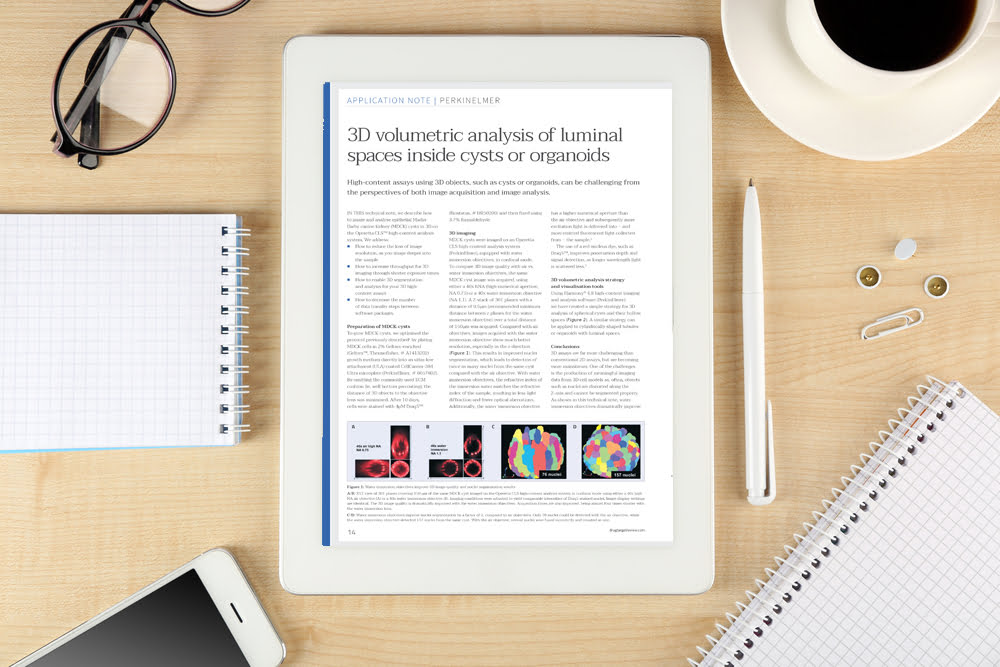
High-content assays using 3D objects, such as cysts or organoids, can be challenging from the perspectives of both image acquisition and image analysis.
For the next generation of cell biologists, 3D cell culture and analysis has opened doors to taking applied research one step further.
Advances in genomics and structural biology are providing drug discovery scientists with more biological targets to prosecute, and greater information about each one.
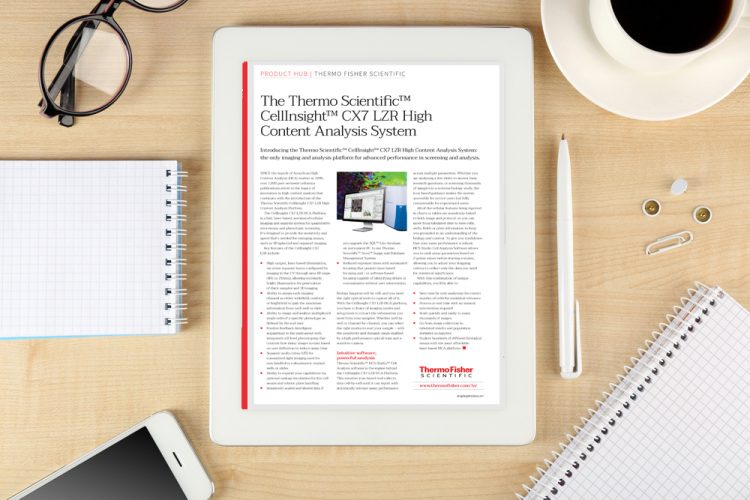
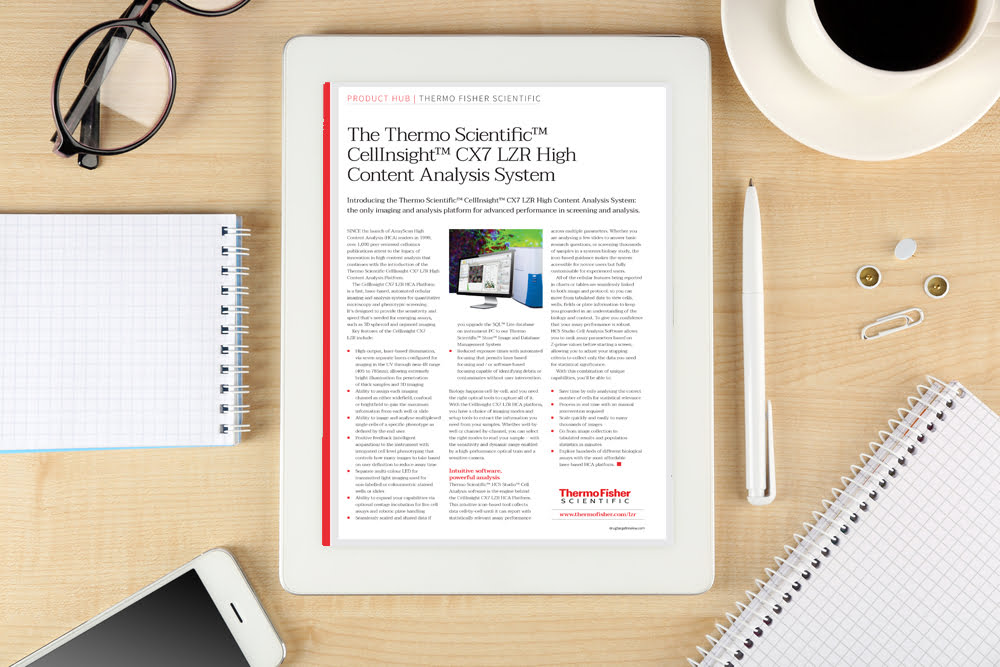
Introducing the Thermo Scientific™ CellInsight™ CX7 LZR High Content Analysis System: the only imaging and analysis platform for advanced performance in screening and analysis.
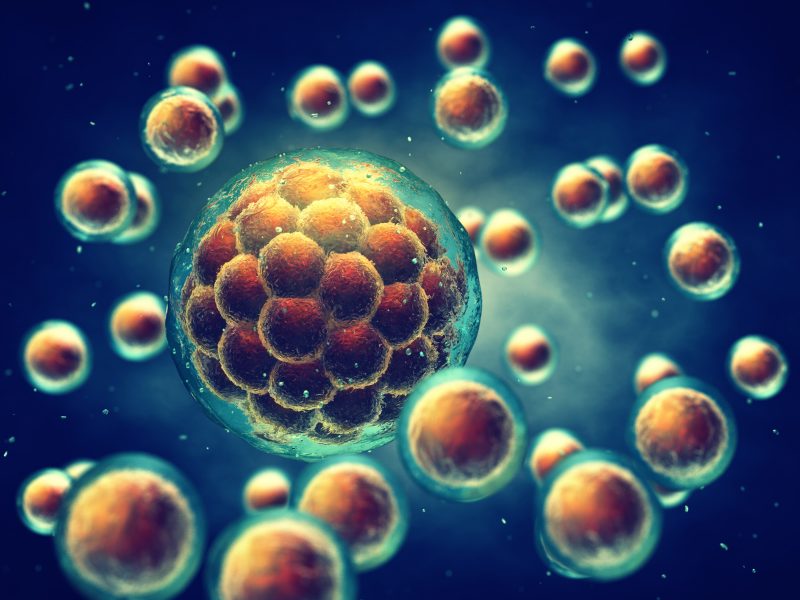
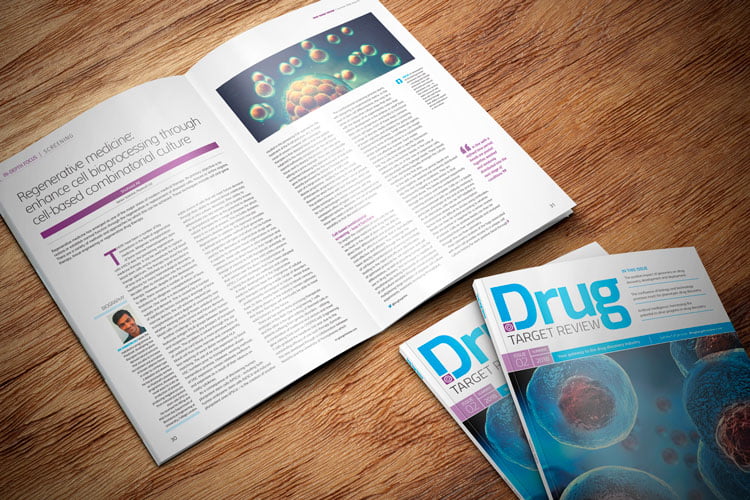
Regenerative medicine has emerged as one of the major areas of modern medical therapy. Its primary objective is to restore or establish normal function through the regeneration or replacement of diseased cells, tissues or entire organs. There are a variety of methods and approaches by which this can be achieved.…
Sometimes the difference between identifying a partial or super agonist is only the time point at which the binding reaction is measured.
The pursuit of improved R&D productivity rates coupled with decreased cycle times has dominated pharmaceutical discourse in recent years.
Bioactivity profiling has been traditionally used to assess the selectivity of new drug candidates in the context of target-based approaches, where pharmacological selectivity is a key requirement.
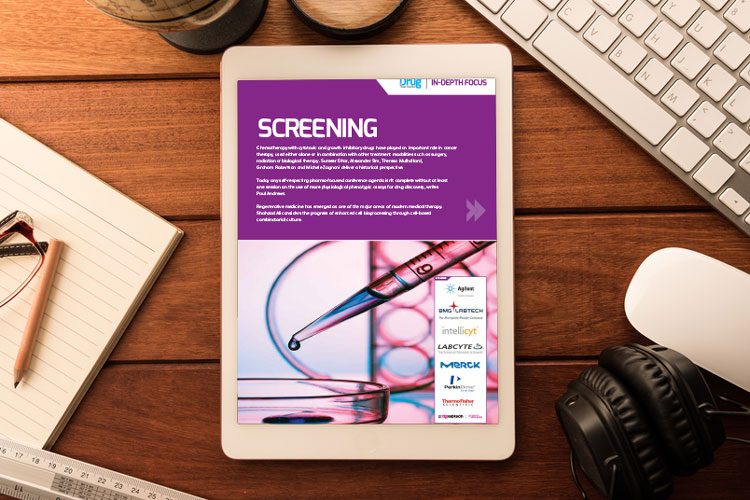
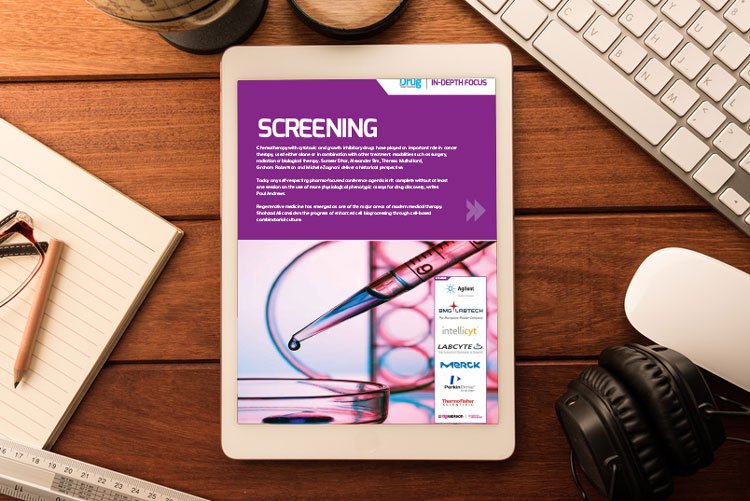
This In-Depth Focus reviews the history of cancer treatments, looks at improving the translation of disease biology though phenomics, and considers how to enhance cell bioprocessing through cell-based combinatorial culture.
In this issue: the positive impact of genomics on drug discovery, development and deployment, the confluence of biology and technology, and Artificial Intelligence: harnessing the potential to drive progress in drug discovery promises much for phenotypic drug discovery
A new scientific statement summarises the state-of-the-science of genomic medicine...
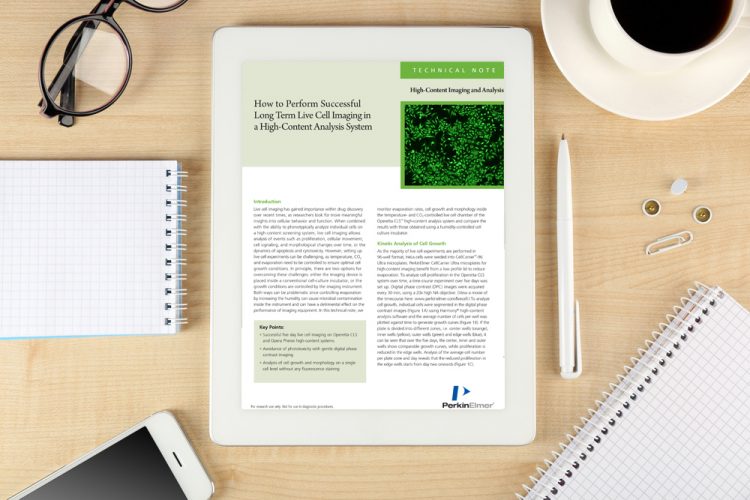
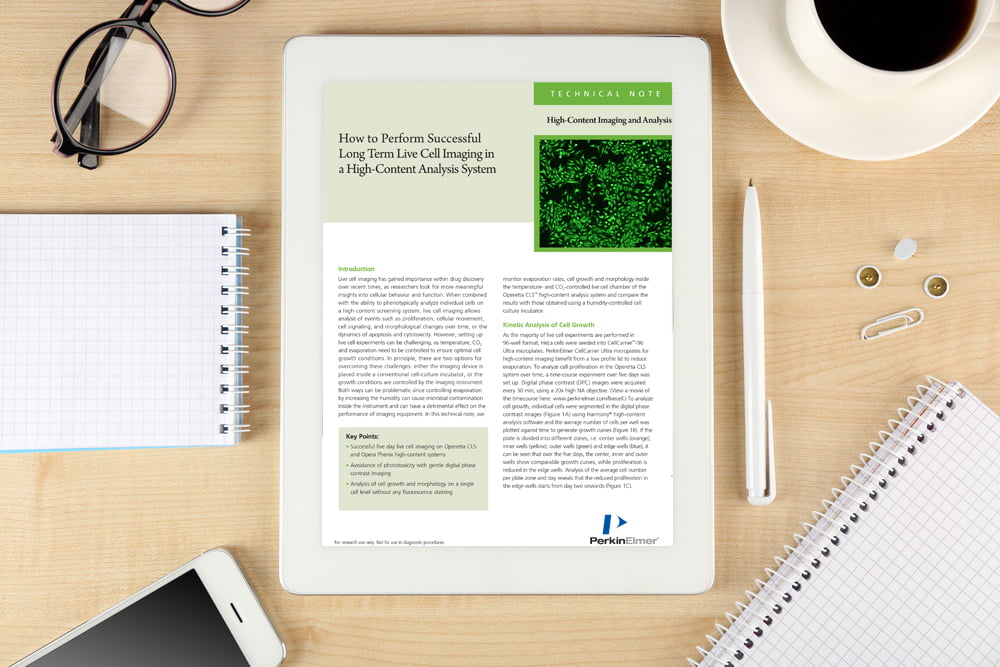
How to perform successful long term live cell imaging in a high-content analysis system.