


Researchers identify protein that may help SARS-CoV-2 spread through cells
Posted: 14 August 2020 | Victoria Rees (Drug Target Review) | No comments yet
Researchers have found that the SARS-CoV-2 nucleocapsid protein may help the virus to spread from cell to cell, providing a drug target.
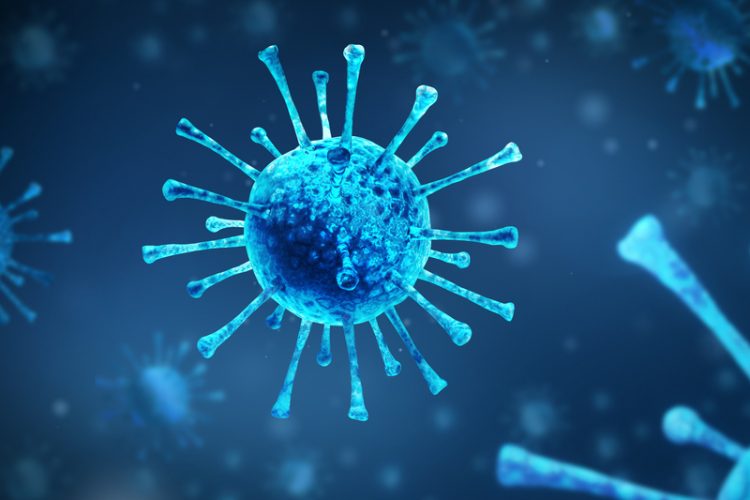
Researchers have released a paper identifying a protein encoded by SARS-CoV-2, the virus that causes COVID-19, that may be associated with the quick spread of the virus through cells in the human body.
With regular news updates and feature articles, our COVID-19 hub has everything you need to keep up to date with R&D during the pandemic. Click below to visit:
From Colorado State University, US, the team used a bioinformatics approach to highlight key characteristics of the virus that they say could one day be important in the development of a treatment for SARS-CoV-2.
They found that the nucleocapsid (N) protein in the SARS-CoV-2 virus has a low-complexity domain that may utilise liquid-liquid phase separation to facilitate the packaging of viral RNA into new virus particles that can infect neighbouring cells. The N protein may also be associated with reducing an infected cell’s anti-viral stress response. Cells often form stress granules, a type of biomolecular condensate, to respond to a change in their environment and these granules may have an anti-viral effect.
Drug Target Review has just announced the launch of its NEW and EXCLUSIVE report examining the evolution of AI and informatics in drug discovery and development.
In this 63 page in-depth report, experts and researchers explore the key benefits of AI and informatics processes, reveal where the challenges lie for the implementation of AI and how they see the use of these technologies streamlining workflows in the future.
Also featured are exclusive interviews with leading scientists from AstraZeneca, Auransa, PolarisQB and Chalmers University of Technology.
“The cell can react to a stress event by making changes in the cellular environment including making these modifications to some proteins,” said Eric Ross, one of the researchers.
“But viruses obviously want to avoid a cell’s defences,” researcher Sean Cascarina added. “They want to be infectious, so sometimes they are able to regulate these stress granules.”
They say that by hijacking the normal stress response, the virus may be able to reduce the cell’s antiviral response capabilities.

An illustration of how the nucleocapsid protein in the SARS-CoV-2 virus facilitates packaging of viral RNA into new virus particles that infect neighbouring cells [credit: Eric Ross and Sean Cascarina/Colorado State University].
The researchers suggest the application of this research could be for the development of SARS-CoV-2 treatments once a person has already contracted the virus, rather than preventing infection like a vaccine.
“Medically, if you could counteract the virus’ ability to interfere with a cell’s immune response, then you could help the cells to fight off the virus,” said Ross. “I think this falls into the category of very basic science: if we understand the viral process, then conceivably we can try to design a drug that reverses that process.”
The study was published in FASEB.
Related topics
Disease research, Drug Targets, Informatics, Protein, Proteomics, Research & Development, Targets
Related conditions
Coronavirus, Covid-19
Related organisations
Colorado State University
Related people
Eric Ross, Sean Cascarina
