


SARS-CoV-2 immunodominant epitopes identified as vaccine candidates
Posted: 12 June 2020 | Victoria Rees (Drug Target Review) | No comments yet
Researchers have analysed the SARS-CoV-2 proteome to reveal seven promising immunodominant epitopes that could aid in the development of a COVID-19 vaccine.
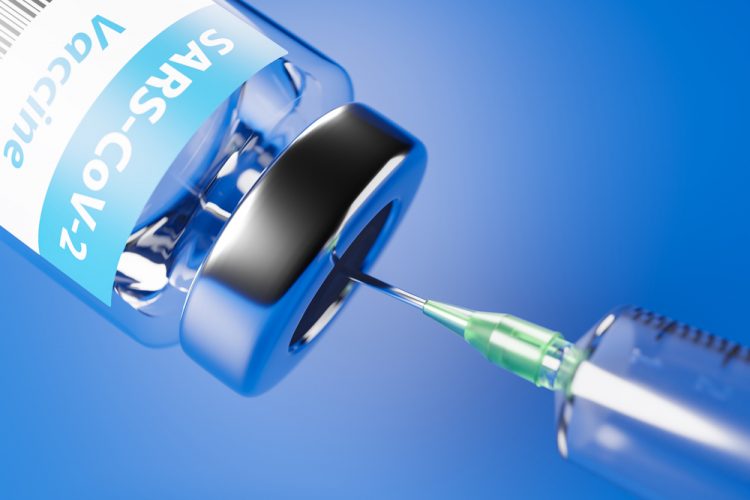
Researchers from Bar-Ilan University, Israel, have identified a set of potentially immunodominant epitopes from the SARS-CoV-2 proteome. According to the scientists, these epitopes are capable of generating both antibody- and cell-mediated immune responses. As such, they say their findings may contribute to the development of a peptide vaccine against SARS-CoV-2 infections which could stop the COVID-19 outbreak and prevent future pandemics caused by coronaviruses.
With regular news updates and feature articles, our COVID-19 hub has everything you need to keep up to date with R&D during the pandemic. Click below to visit:
Led by Dr Milana Frenkel-Morgenstern, Head of the Cancer Genomics and BioComputing of Complex Diseases Lab at Bar-Ilan University’s Azrieli Faculty of Medicine, the researchers took an immunoinformatics-based computational approach to investiagte the protein content of SARS-CoV-2, allowing them to identify the immunodominant epitopes of the virus.
The team of researchers identified 15 potential immunogenic regions from three proteins of SARS-CoV-2 and mapped 25 immunodominant epitopes on other SARS-CoV-2 proteins. To confirm that these epitopes could potentially provide immunity to patients, the percentage of individuals that express a major histocompatibility complex (MHC) capable of recognising any of these epitopes was determined.
Drug Target Review has just announced the launch of its NEW and EXCLUSIVE report examining the evolution of AI and informatics in drug discovery and development.
In this 63 page in-depth report, experts and researchers explore the key benefits of AI and informatics processes, reveal where the challenges lie for the implementation of AI and how they see the use of these technologies streamlining workflows in the future.
Also featured are exclusive interviews with leading scientists from AstraZeneca, Auransa, PolarisQB and Chalmers University of Technology.
Accordingly, seven epitopes were deemed to be present in more than 87 percent of the worldwide virus-affected population. Further structural molecular docking analyses estimated the binding interaction of these potential epitopes with human MHC. Complete lists of MHC proteins that recognise each epitope have been generated and are presented in both the submitted manuscript and a provisional US patent application (US 63/034.416).
The seven epitopes were tested using multiple tools to verify their non-allergenic and non-toxic natures, as well as to demonstrate that they carry a low risk of triggering any autoimmune responses. The researchers highlight that together, such results indicate these seven epitopes represent potentially effective vaccine candidates. The development of vaccines using these immunodominant epitopes could therefore activate both humoral and cellular immune responses in humans comprising a major fraction of the world’s population.
The study was published in the journal Vaccines.
Related topics
Disease research, Drug Targets, Proteomics, Research & Development, Targets, Vaccine
Related conditions
Coronavirus, Covid-19
Related organisations
Bar-Ilan University
Related people
Dr Milana Frenkel-Morgenstern
