


Multidrug nanoparticles developed for treatment of COVID-19 inflammation
Posted: 28 April 2020 | Victoria Rees (Drug Target Review) | No comments yet
Multidrug nanoparticles for the targeted delivery of drugs could be used to combat inflammation in COVID-19 patients, say researchers.
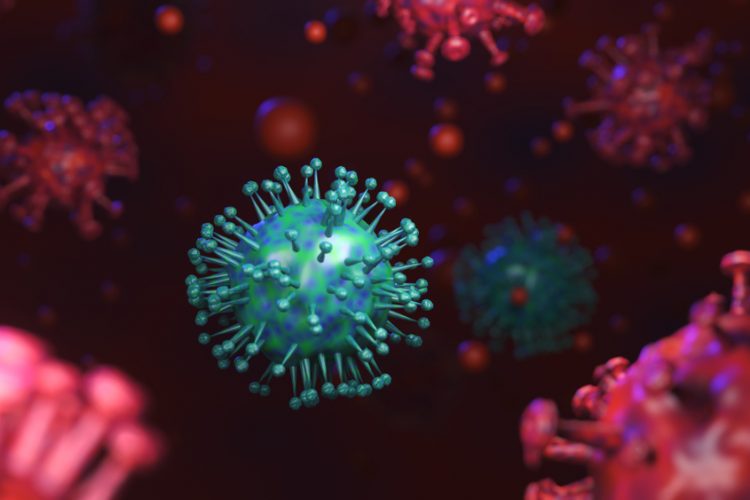
Researchers report they have developed multidrug nanoparticles for the mitigation of uncontrolled inflammation that can be observed in patients with the COVID-19 coronavirus. The scientists are from the University of Paris-Sud in France.
With regular news updates and feature articles, our COVID-19 hub has everything you need to keep up to date with R&D during the pandemic. Click below to visit:
the nanoparticles could deliver the therapeutic agents in a targeted manner”
Recent studies on confirmed COVID-19 cases have suggested that mortality might be due to virally induced hyperinflammation. According to the researchers, evidence and findings have increasingly indicated that uncontrolled pro-inflammatory states are generally driven by continuous positive feedback loops between pro-inflammatory signalling and oxidative stress. There are currently no effective ways to counter this activity in a targeted manner, say the researchers.
The current study demonstrates that multidrug nanoparticles could be used to control and reduce the effects of this uncontrolled inflammation. The researchers made the nanoparticles by conjugating squalene, an endogenous lipid, to adenosine, an endogenous immunomodulator and then encapsulating α-tocopherol, a natural antioxidant.
Drug Target Review has just announced the launch of its NEW and EXCLUSIVE report examining the evolution of AI and informatics in drug discovery and development.
In this 63 page in-depth report, experts and researchers explore the key benefits of AI and informatics processes, reveal where the challenges lie for the implementation of AI and how they see the use of these technologies streamlining workflows in the future.
Also featured are exclusive interviews with leading scientists from AstraZeneca, Auransa, PolarisQB and Chalmers University of Technology.
They found that this resulted in high drug loading, biocompatible, multidrug nanoparticles. By exploiting the vascular endothelial barrier dysfunction at sites of high levels of inflammation, the researchers observed that the nanoparticles could deliver the therapeutic agents in a targeted manner.
Tests in animal models of endotoxemia demonstrated a “significant survival advantage,” say the researchers. Therefore, the scientists conclude that selectively delivering adenosine and antioxidants together could serve as a new strategy for the treatment of acute inflammation in COVID-19 with reduced-side effects and high therapeutic potential.
The results were published in Science Advances.
Related topics
Drug Targets, Nanomedicine, Nanoparticles, Nanotechnology, Research & Development, Therapeutics
Related conditions
Coronavirus, Covid-19
Related organisations
University of Paris-Sud
