


news
Diabetes-related proteins examined for the first time at high resolution
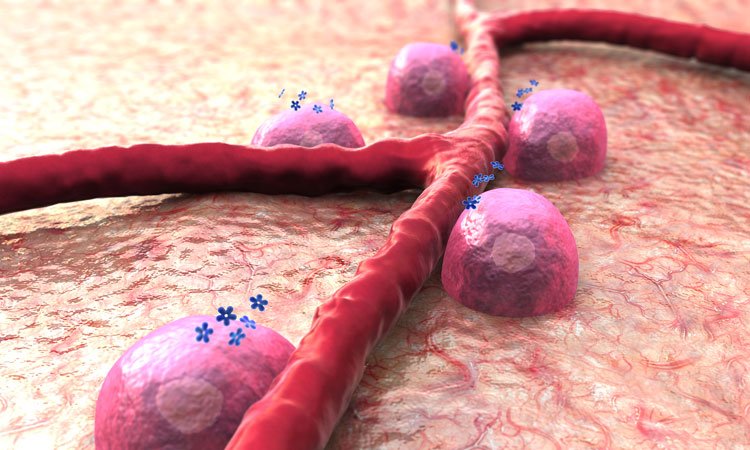
A key receptor has been examined for the first time at high resolution which could lead to better treatments for conditions such as type 2 diabetes.
List view / Grid view
A key receptor has been examined for the first time at high resolution which could lead to better treatments for conditions such as type 2 diabetes.
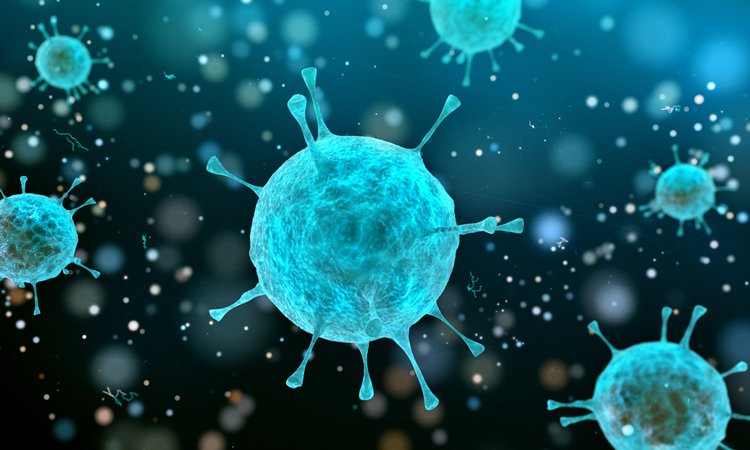
Researchers have demonstrated the success of a new single-particle method of studying the surface of viruses, which could improve vaccine purification and the development of gene therapies.
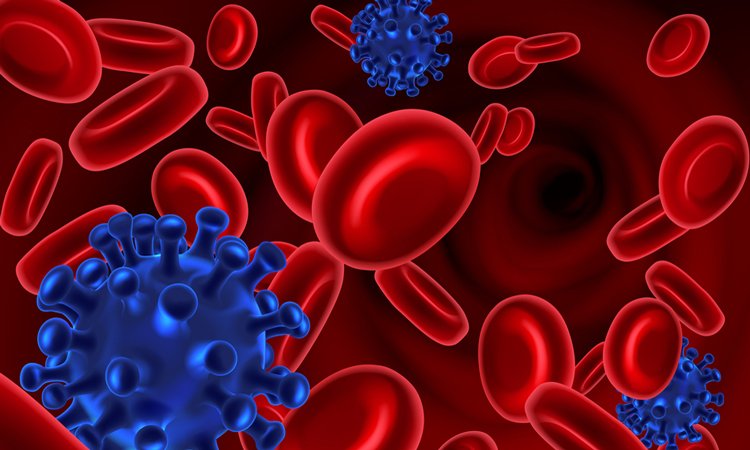
A new study has used several imaging techniques to characterise C. diff toxins, which could help to design drugs to combat infections from the bacteria.
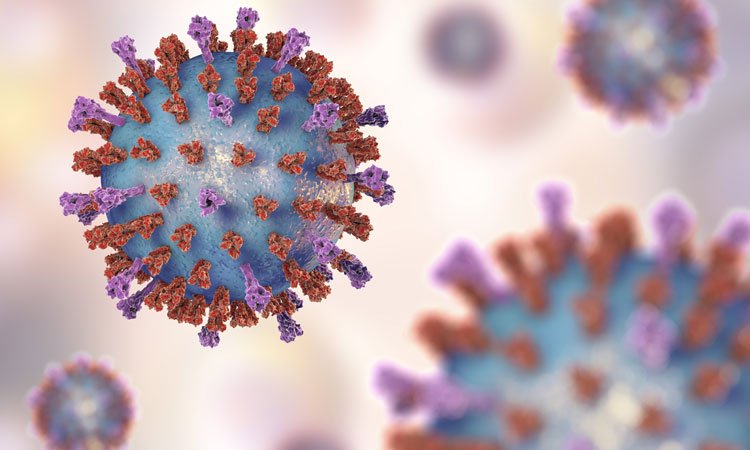
Scientists have used cryo-electron microscopy to clarify the structure of one of the key components of RSV and HMPV, which could lead to new therapies for the viruses.
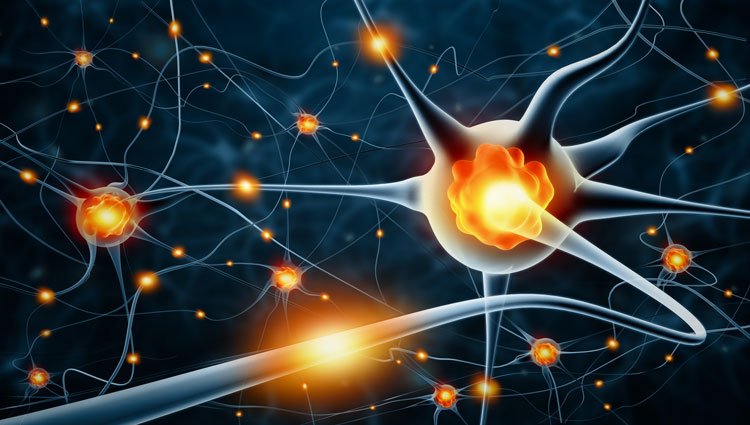
A novel imaging approach has been developed which could lead to new discoveries in biology and medicine.
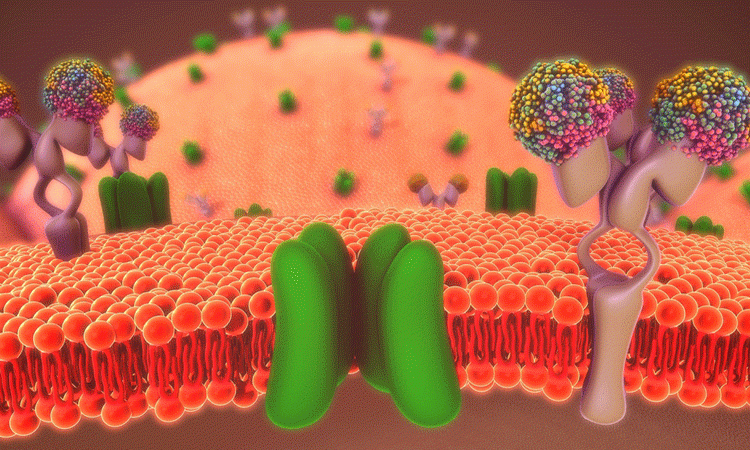
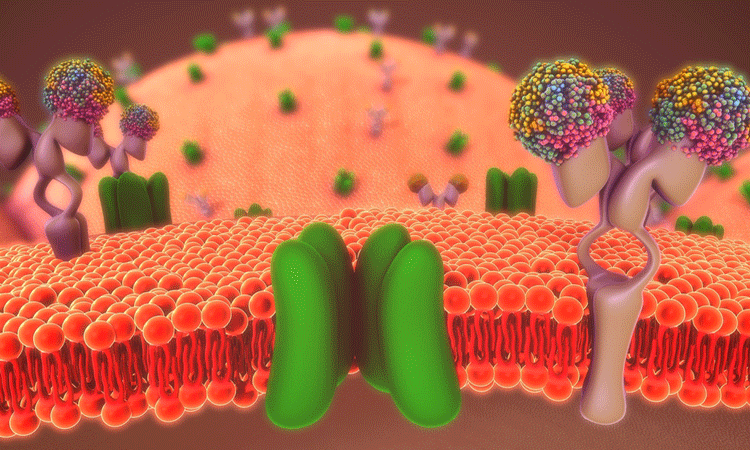
Researchers have imaged an inflammation-related protein receptor on cell membranes which could inform future drug designs to prevent cell death.
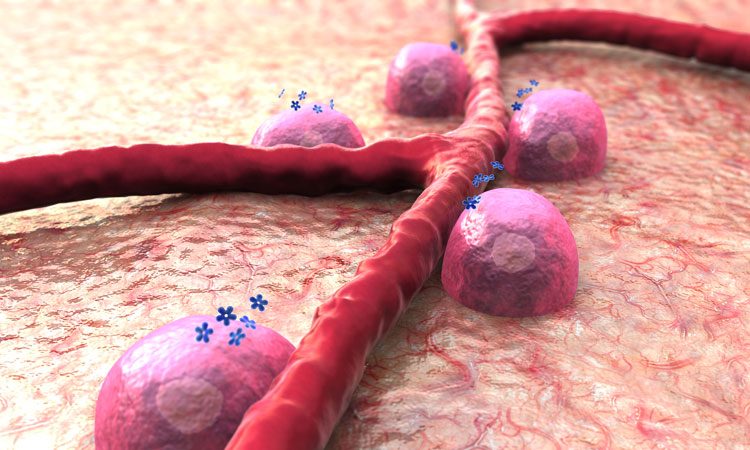
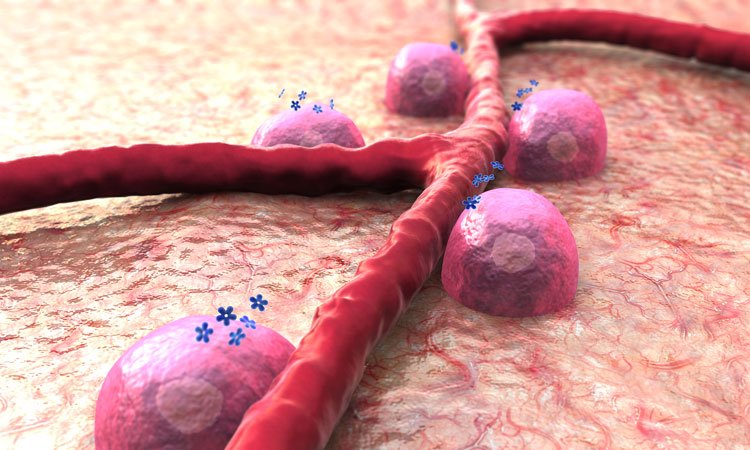
A mechanism has been identified which regulates the release of insulin from β-cells and could be used to develop new treatments for type 2 diabetes.


There is still much to be done regarding how training is delivered and monitored in core technologies such as flow cytometry. Here, Derek Davies outlines the approaches his team at The Francis Crick Institute are taking to train users of such technologies to ensure quality data is obtained and best…
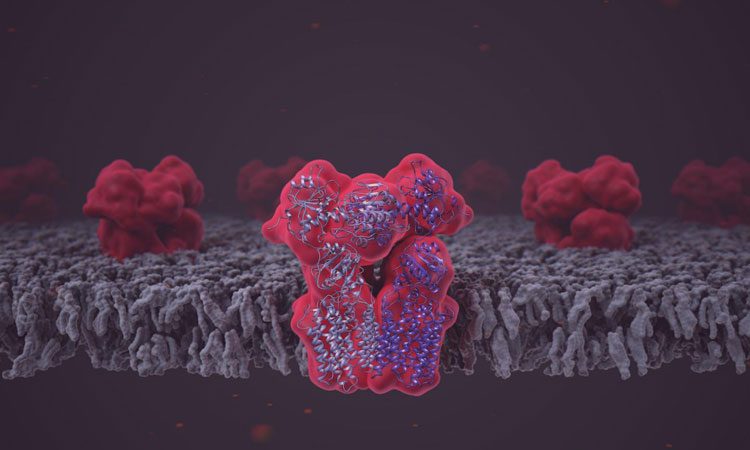
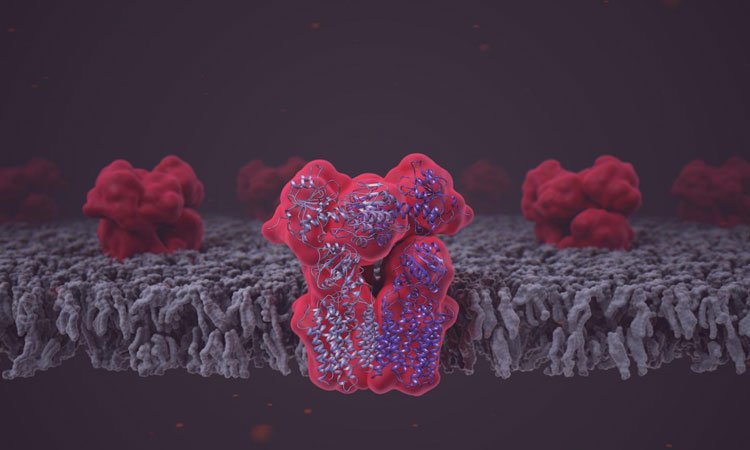
Scientists reveal the atomic structure and regulative mechanism of the metabolic enzyme transhydrogenase.
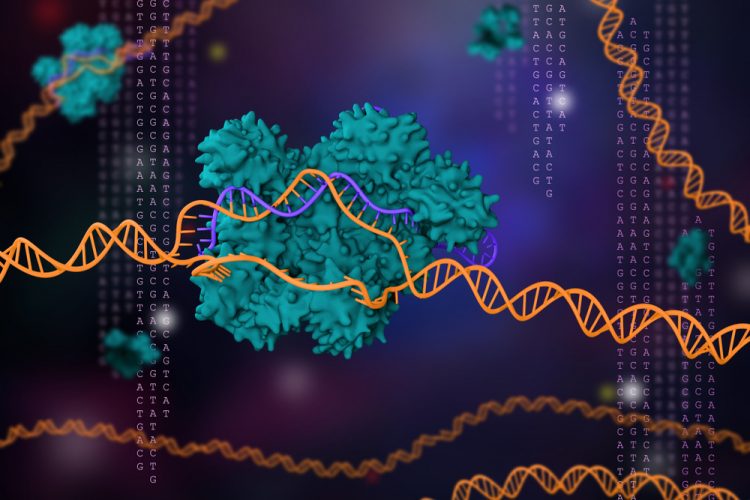
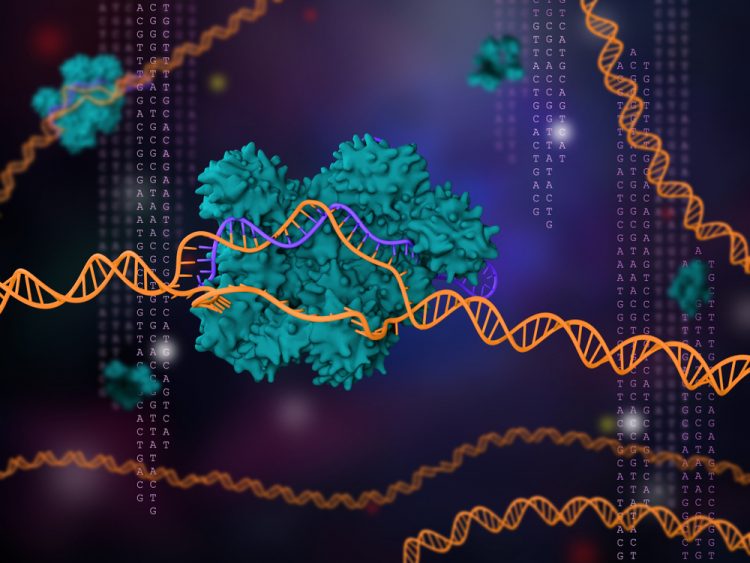
Researchers have generated images of CRISPR-Cas9 gene editing for the first time, enabling improvement of the technique.
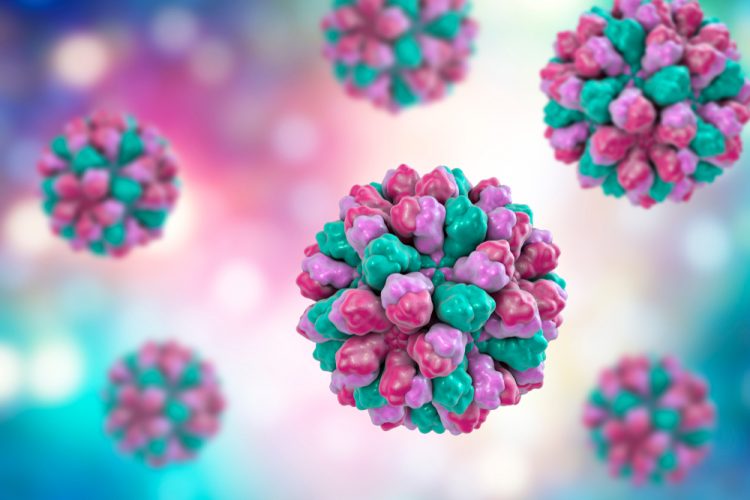
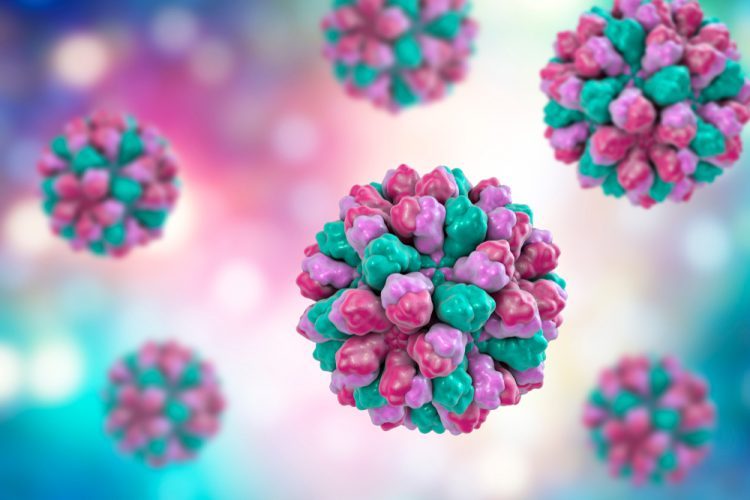
Researchers have been able to image noroviruses, providing significant information for the development of therapeutics.
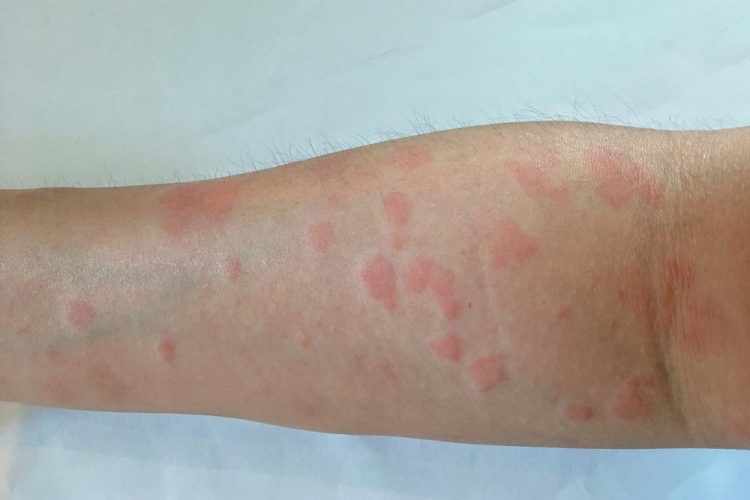
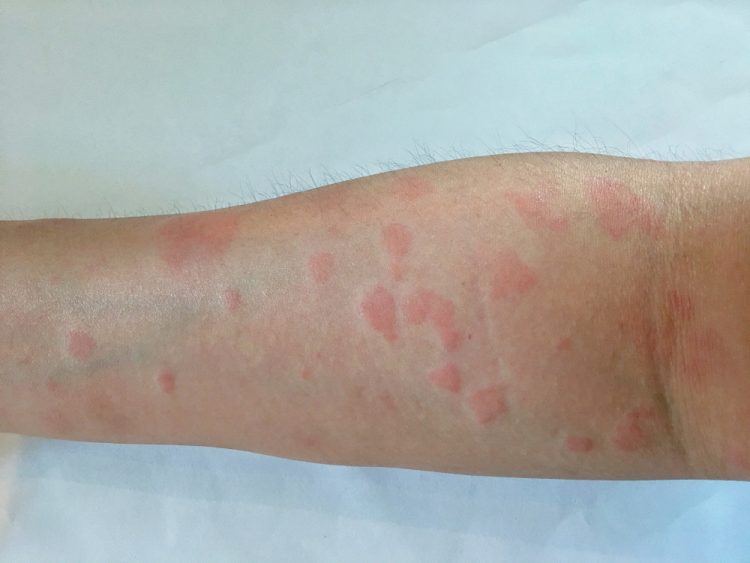
Structure of internal regulator molecule identified, presenting lupus drug potential.
In this issue: AI-driven automated chemistry as a tool to accelerate drug discovery processes, the shifting landscape of immuno-oncology, and how lipid molecules provide an insight into biological research.
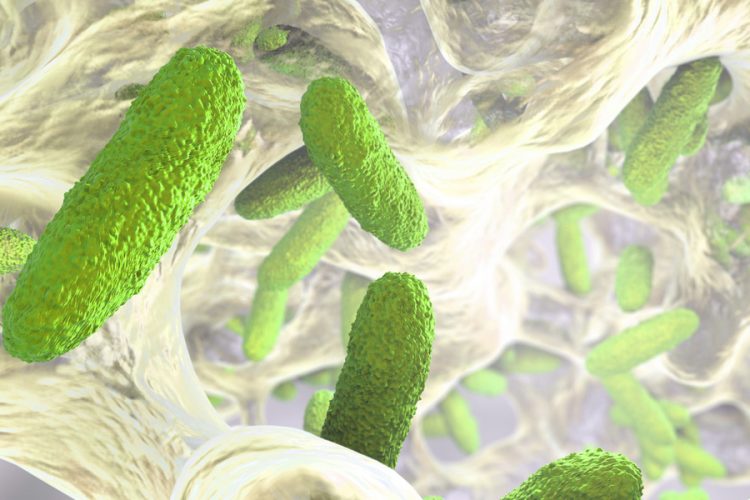
A team of scientists in the UK have developed a fluorescent imaging probe capable of tracking Gram-negative bacterial lung infections in real time.
Researchers have combined an open source software programme and commercially available hardware to image neuron activity at high resolution...
