


news
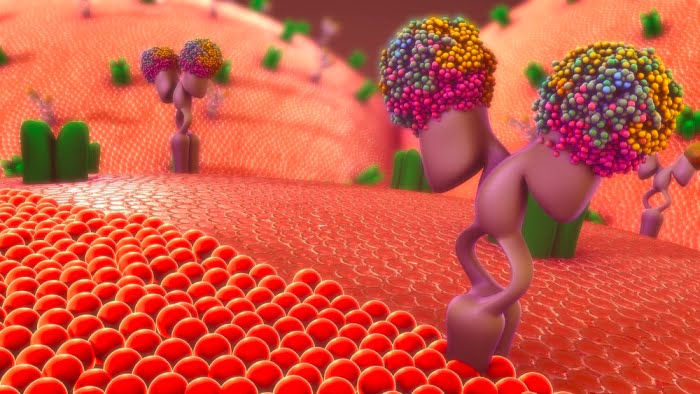
Scientists create complex transmembrane proteins from scratch
Advance paves the way for the design of transmembrane proteins with useful new functions...
List view / Grid view
A drug target is anything within a living organism to which a drug is directed and/or binds, resulting in a change in its behaviour or function.
Advance paves the way for the design of transmembrane proteins with useful new functions...
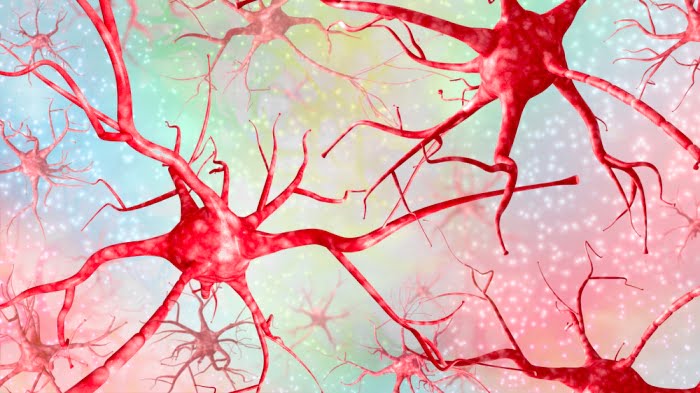
Understanding how motor nerve cells respond to motor neurone disease could help researchers identify new treatment options...

Contrary to previous notions that the receptor dectin-1 causes allergic reactions, new research from the John Hopkins Bloomberg School of Public Health has found that it actually prevents this response, indicating new targets for allergy and asthma drugs.
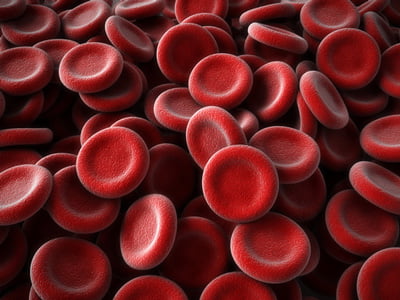
A study in mice suggests that experimental drug may be effective against mountain sickness and other polycythemias...
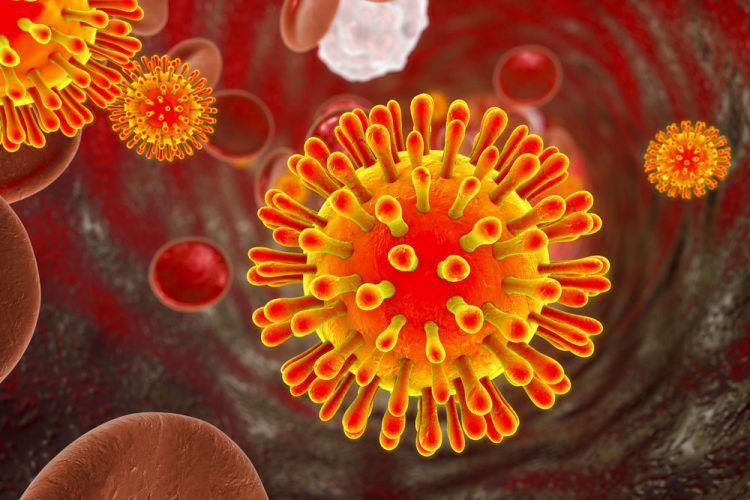
Researchers have developed the first-ever high-throughput, genome-scale imaging-based approach to investigate protein stability...
Scientists have found and characterised the activity of four antibodies produced by the human immune system that targets an important protein found in the respiratory syncytial virus...
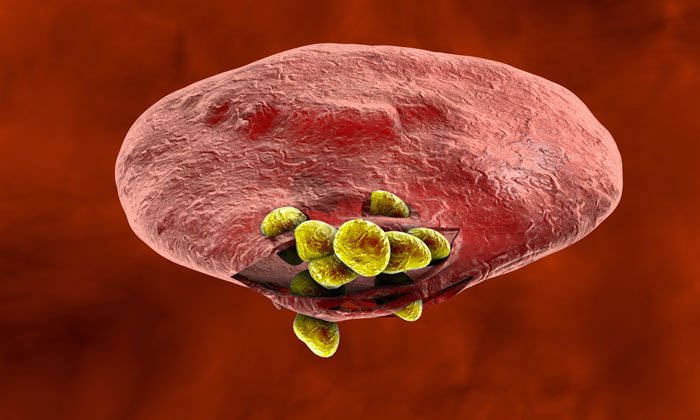
A team of researchers in the UK have discovered crucial new processes that allow malaria parasites to escape red blood cells and infect other cells, thus offering potential new treatment targets.
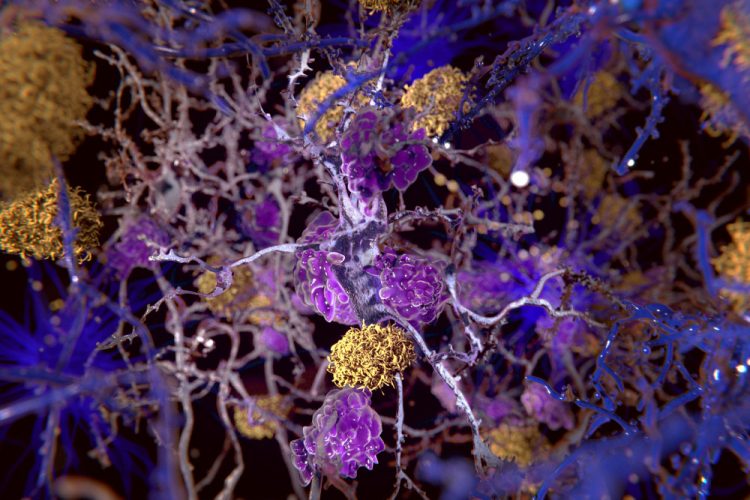
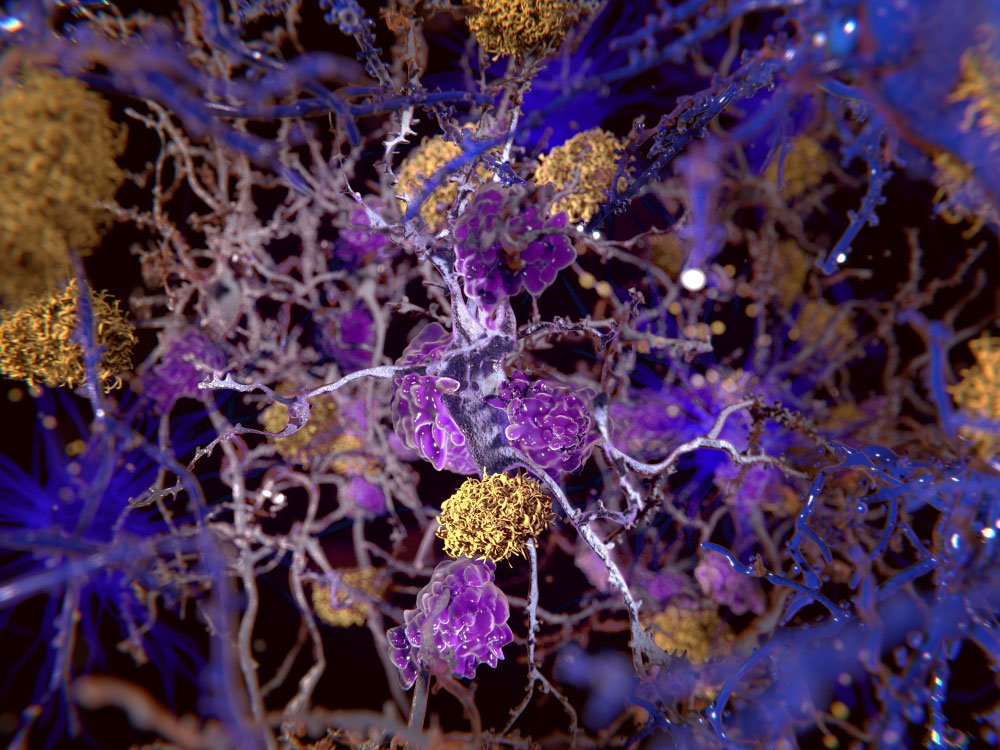
A team of researchers from the have found that gradually depleting an enzyme called BACE1 completely reverses the formation of amyloid plaques in the brains of mice with Alzheimer's disease...
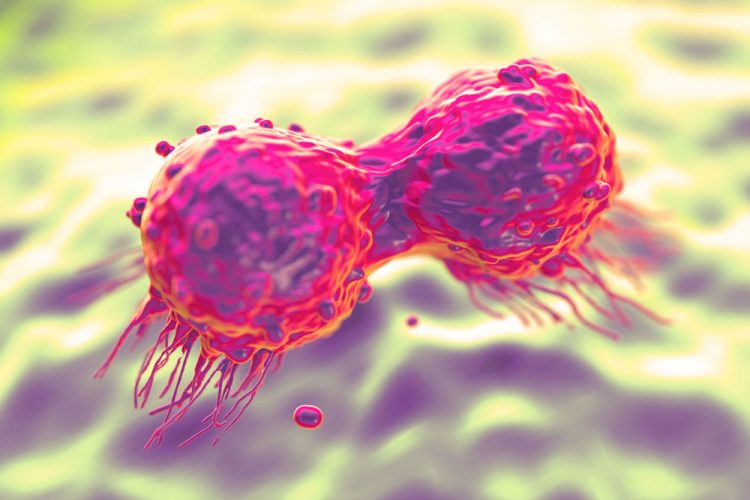
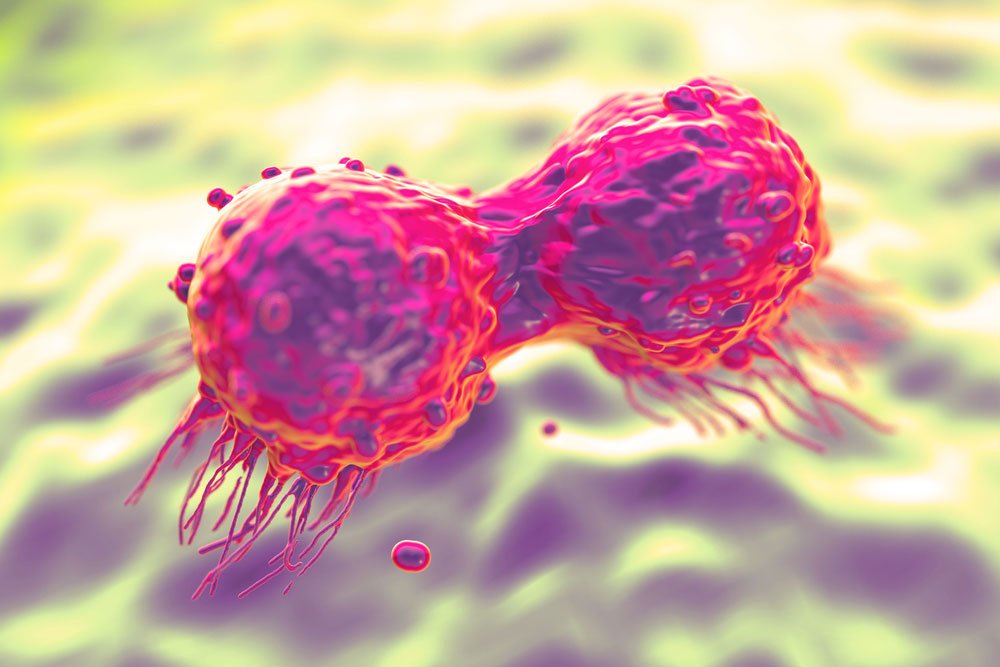
New findings have made inroads into a strategy to identify TNBC tumours at risk for metastasis...

Researchers have developed a new technology for creating more durable disease-fighting molecules which could lead to drugs with longer-lasting effects...
Crystal structure of the dopamine 2 receptor bound to an antipsychotic drug provides a much-needed discovery in the quest to create effective drugs with fewer side effects...
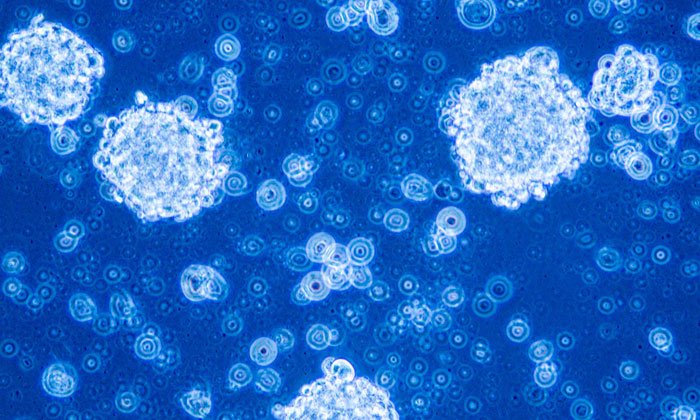
Scientists have successfully blocked the powerful call of two types of aggressive cancer – glioblastoma and breast cancer – in laboratory models; with evidence that inhibiting the chemical 20-HETE halts tumour growth.
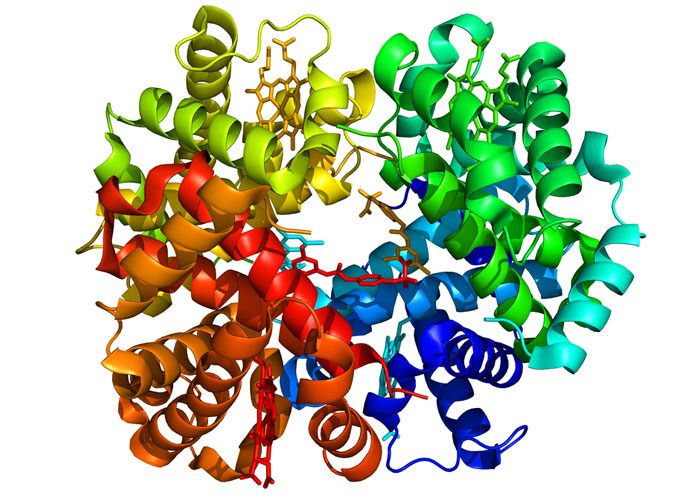
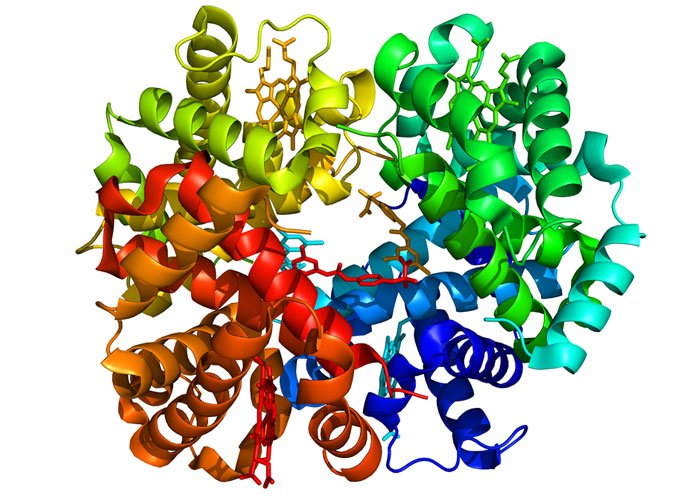
Scientists have revealed the atomic-level structure of a molecular complex responsible for modifying proteins, paving the way for the development of new medications...

Scientists have identified more than 2,000 regulatory regions involved in learning that correlate strongly with autism, suggesting future focus for autism research.
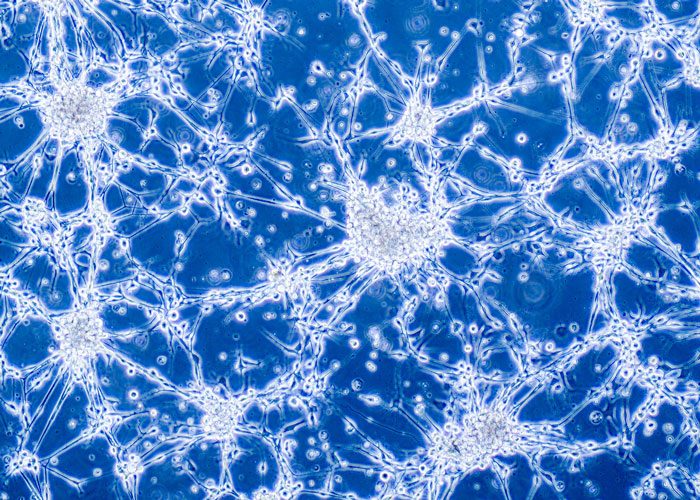
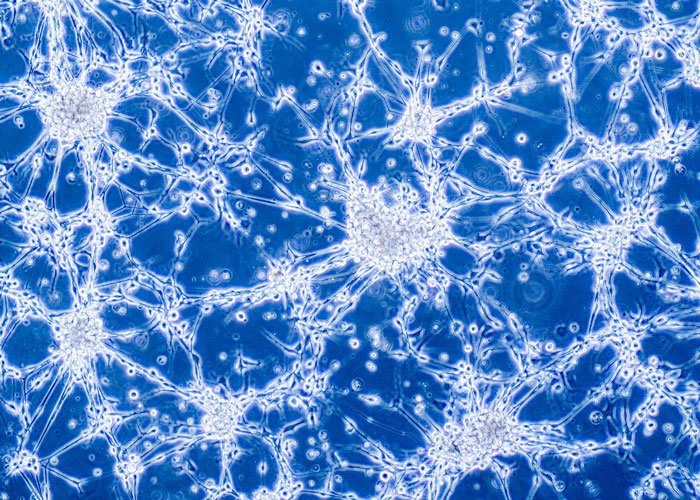
An experimental drug demonstrated selective cancer-killing ability against breast, colon, leukaemia, brain and melanoma cancer cells with no apparent effects on normal cells...
