


news
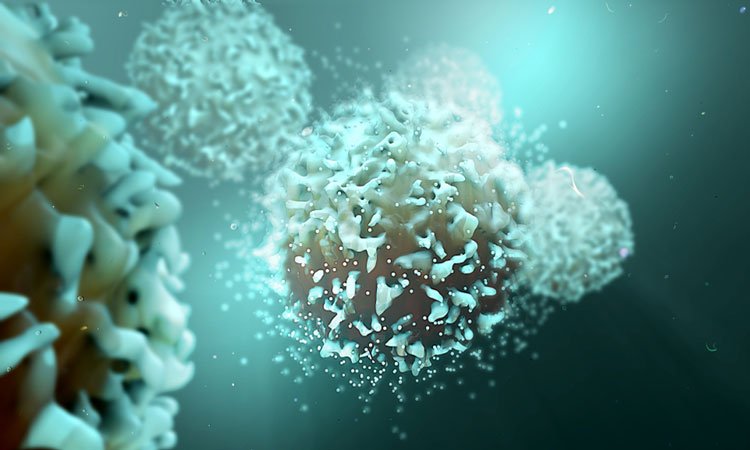
DNA anticancer vaccine targets tumour neoantigens
A DNA vaccine developed through the use of unique tumour antigens could lead the way towards vaccinating people against cancer...
List view / Grid view
A drug target is anything within a living organism to which a drug is directed and/or binds, resulting in a change in its behaviour or function.
A DNA vaccine developed through the use of unique tumour antigens could lead the way towards vaccinating people against cancer...
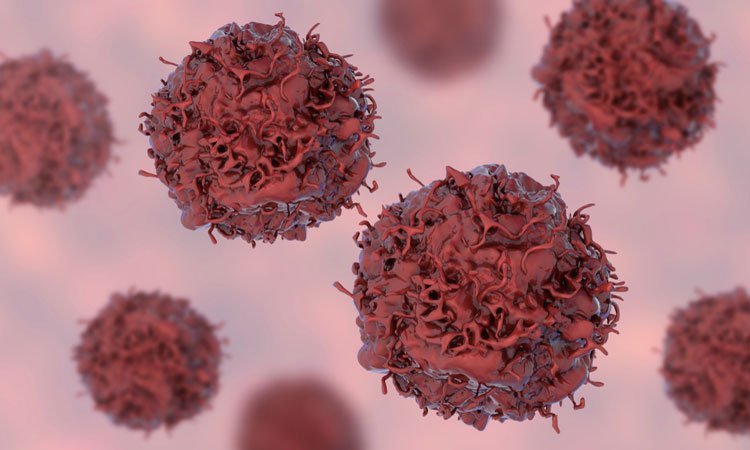
Researchers have identified how they can differentiate between lesions in the airways that are benign and those that could become cancerous...
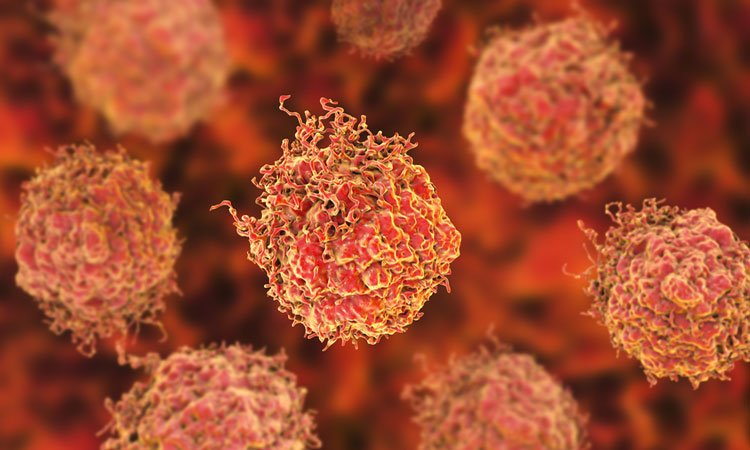
Identified using a computer algorithm, the NSD2 gene may be responsible for advancing the spread of prostate cancer, and so could be used as a drug target...
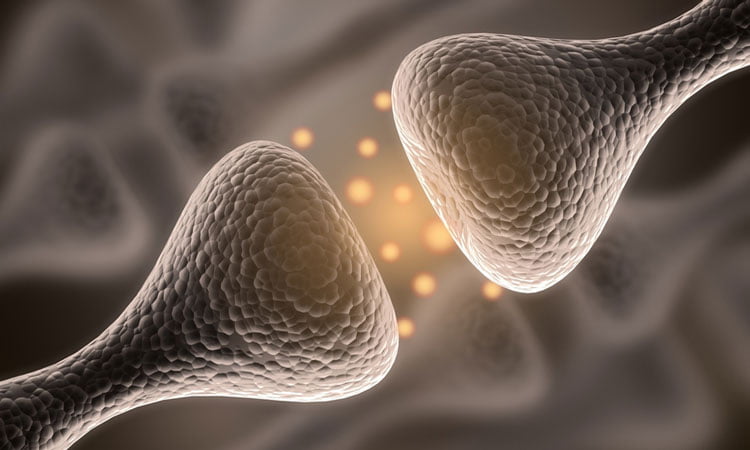
Researchers have identified a tiny hidden pocket on the NMDA receptor that could be targeted to treat strokes and seizures...
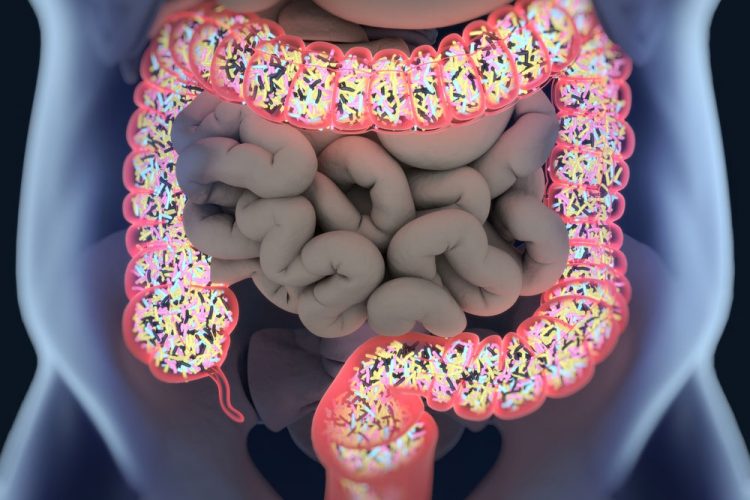
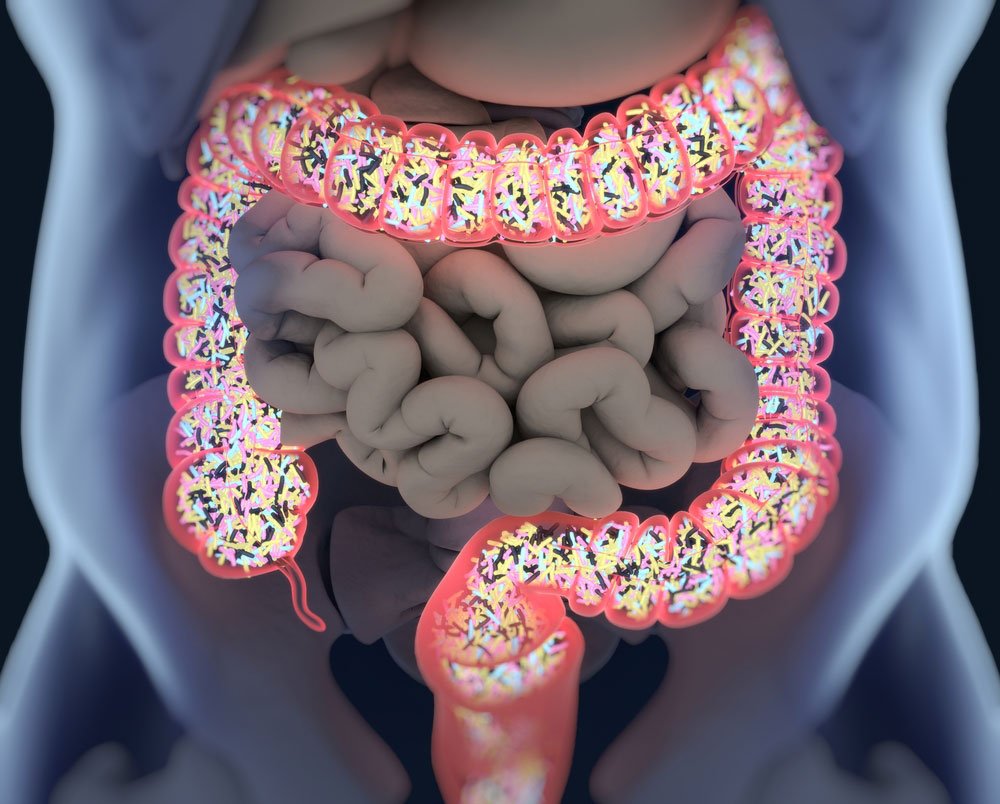
Researchers have investigated the ability of gut microbiota to influence the bioavailability of levodopa, a drug used in the treatment of Parkinson's...

Researchers suggest that the retinoprotectivity of the ADM-RAMP2 system makes it an ideal therapeutic target for central retinal vein occlusion (CRVO)...
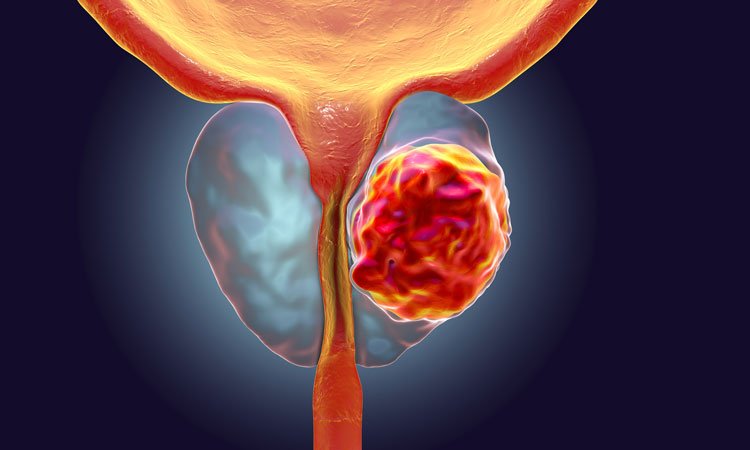
Researchers in the US have discovered how a gene involved in regulating hormone receptors, GREB1, may contribute to drug resistance in some prostate cancer patients.
Strathmin2 could be used as a biomarker for amyotrophic lateral sclerosis (ALS), a debilitating condition with no proper diagnostic tests or treatments...
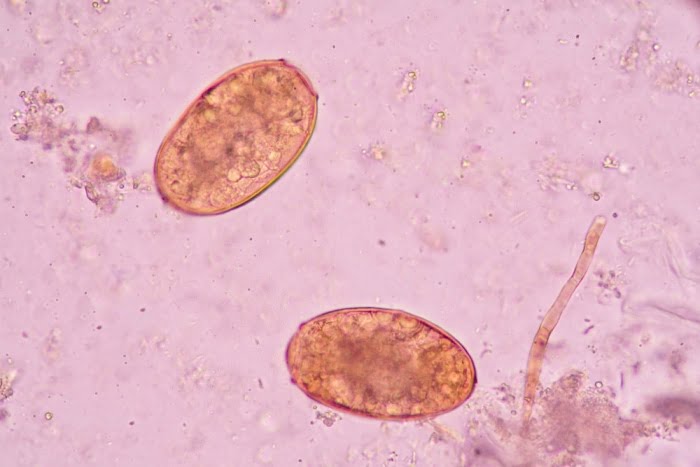
Researchers successfully used CRISPR/Cas9 to limit the impact of schistosomiasis and liver fluke infection...
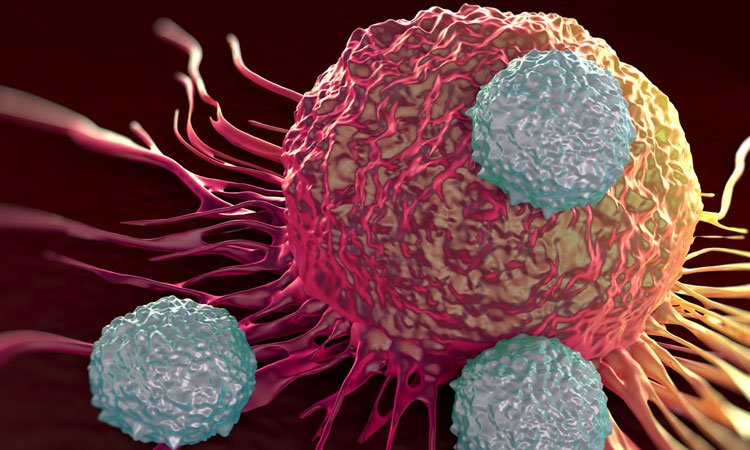
A component in the ubiquitin system has been described as being able to deactivate the innante immune system and could help to prevent immune conditions...
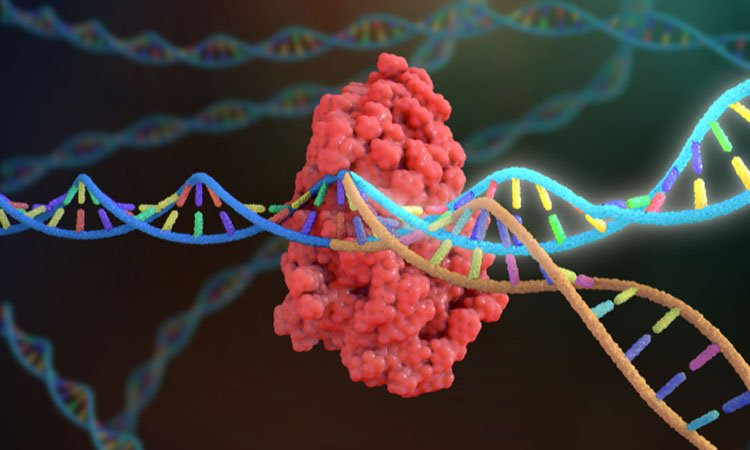
Mobile-CRISPRi could be used to guide gene expression, in turn control levels of proteins produced, enabling scientists to identify key antibiotic targets...
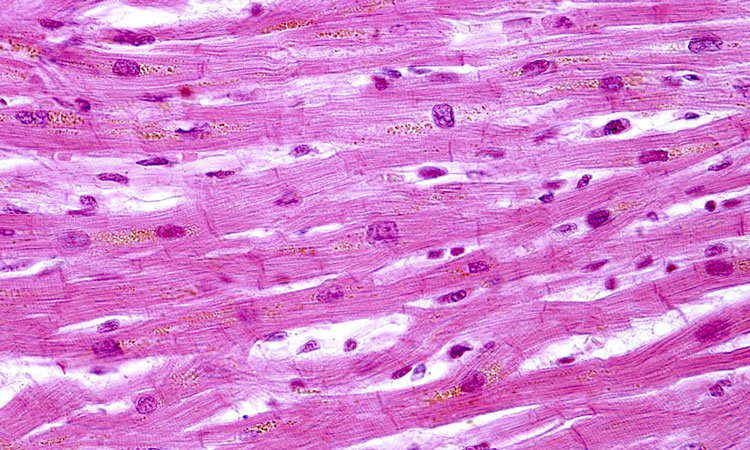
A study has identified that PI3K alpha could be the culprit of heart failure, as it binds to gelsolin, suppressing it and preventing it from working...

A drug 'sponge' could be the future method of soaking up excess drugs within the body after cancer treatments such as chemotherapy to prevent side effects...
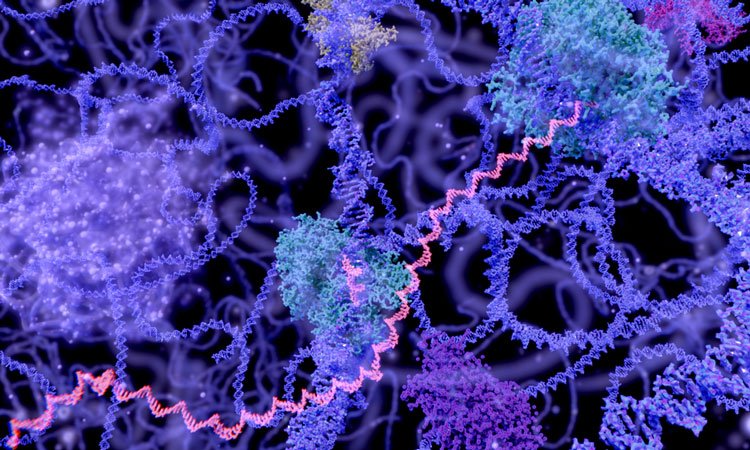
A study has given insight into gene expression and could enable scientists to determine how certain RNAP inhibitors work within the body...
Researchers have described the methods used to build a model of the 'druggable' PCSK9 inhibitor and detailed how it works...
