


news
Potential sepsis prevention in burn patients found with novel approach
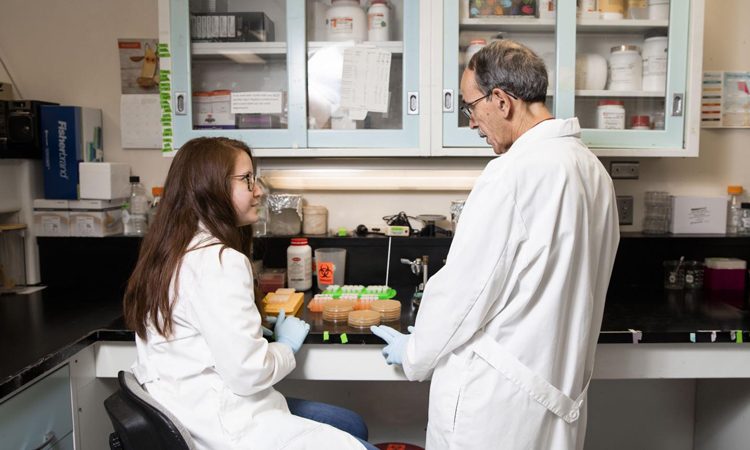
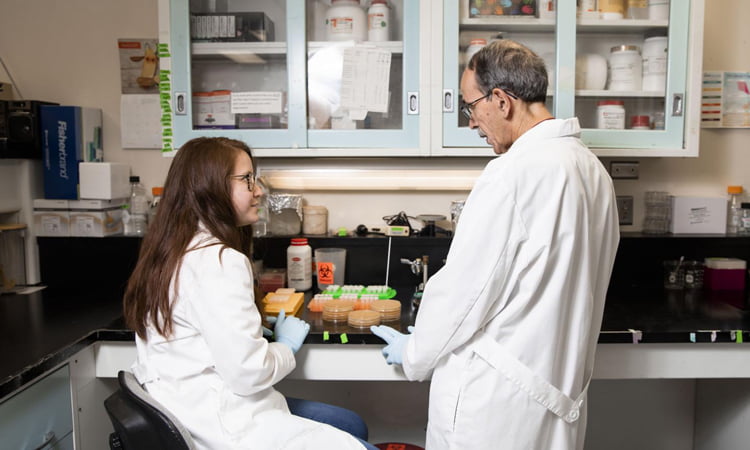
A new study has demonstrated the possibility of treating antibiotic-resistant Pseudomonas aeruginosa which causes sepsis in burn patients.
List view / Grid view
A drug target is anything within a living organism to which a drug is directed and/or binds, resulting in a change in its behaviour or function.
A new study has demonstrated the possibility of treating antibiotic-resistant Pseudomonas aeruginosa which causes sepsis in burn patients.
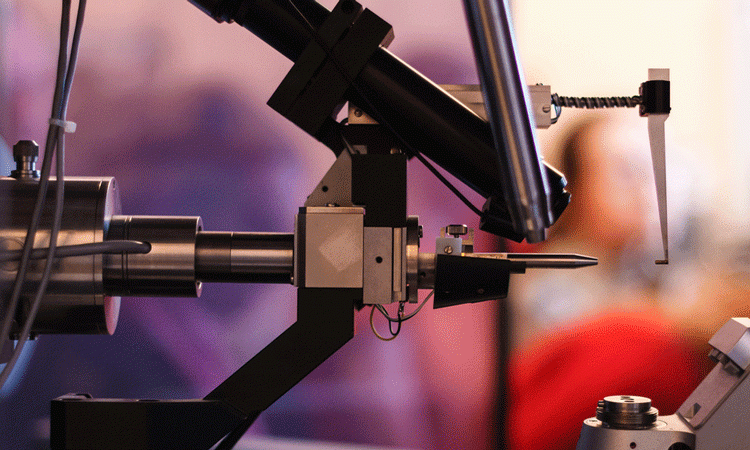
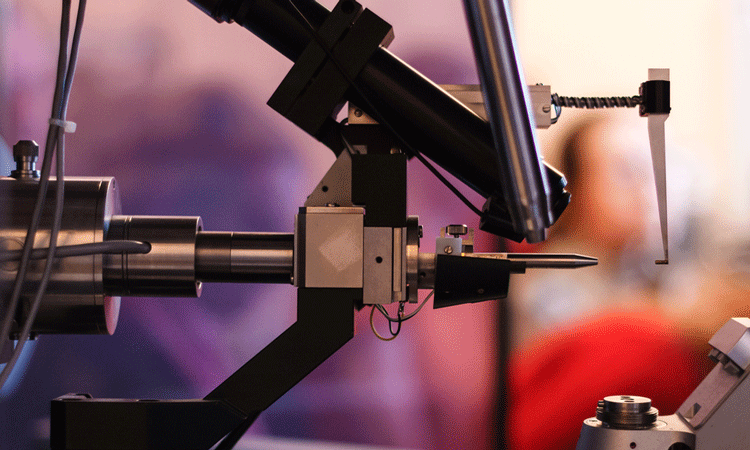
A report from scientists at the Moscow Institute of Physics and Technology highlights the advantages and disadvantages of serial femtosecond X-ray crystallography. This article investigates the review, focusing on its role in drug development.
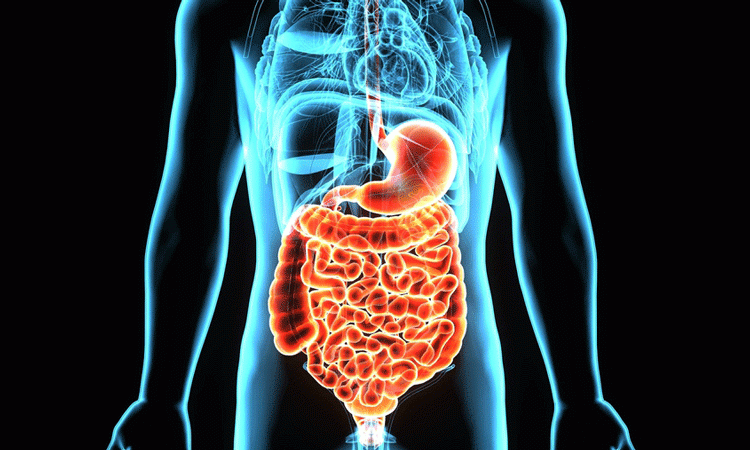
A team from MIT sequenced bacteria samples from the digestive system which can be accessed by researchers to use in the development of treatments.
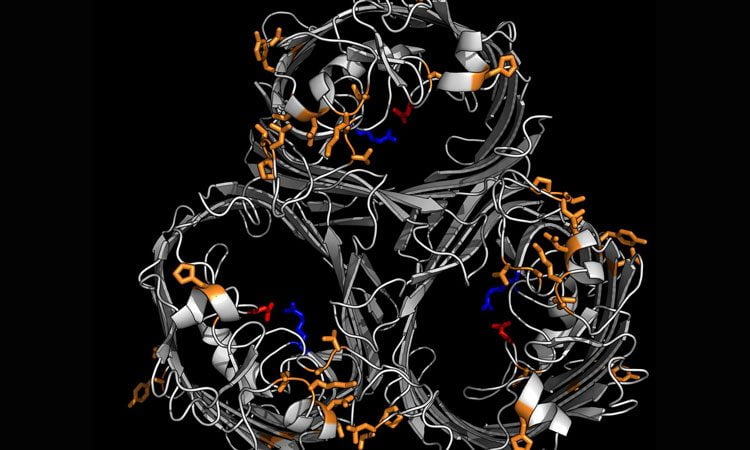
Scientists have shown that drug-resistant bacteria infections shut out antibiotics by closing tiny doors in their cell walls.


Researchers have developed a new AI system which was able to discover and then successfully test several new compounds within 46 days.


A research team have found a signalling pathway which plays a critical role in the maturation of periodontal ligament, providing information for the development of dental treatments.
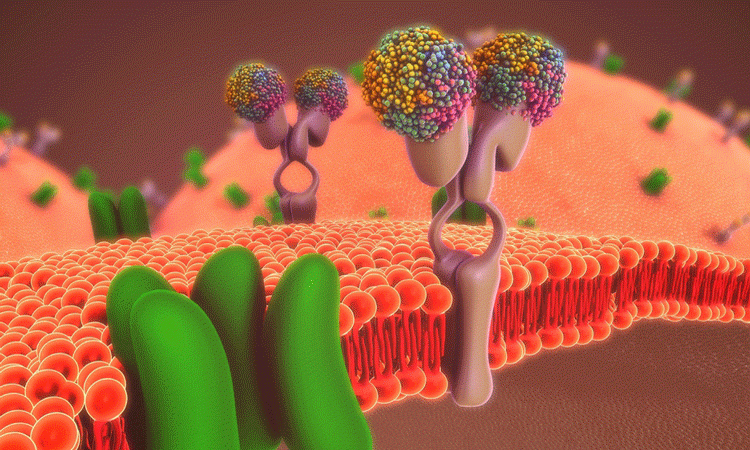
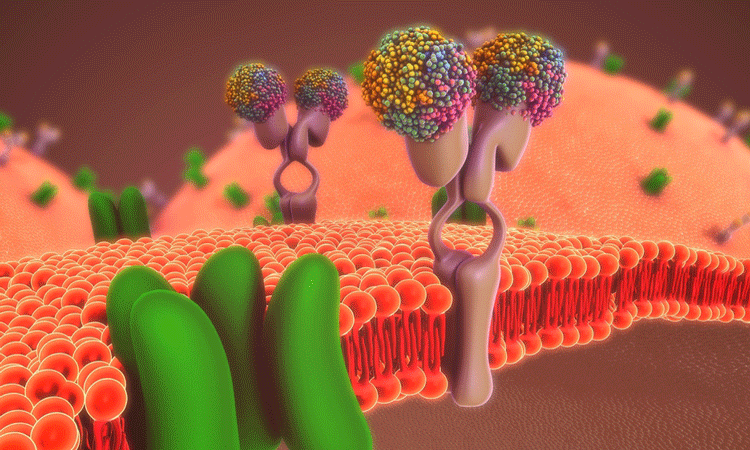
Researchers have revealed the 3D structure of a membrane protein which plays a role in the development of conditions such as epilepsy and blindness.
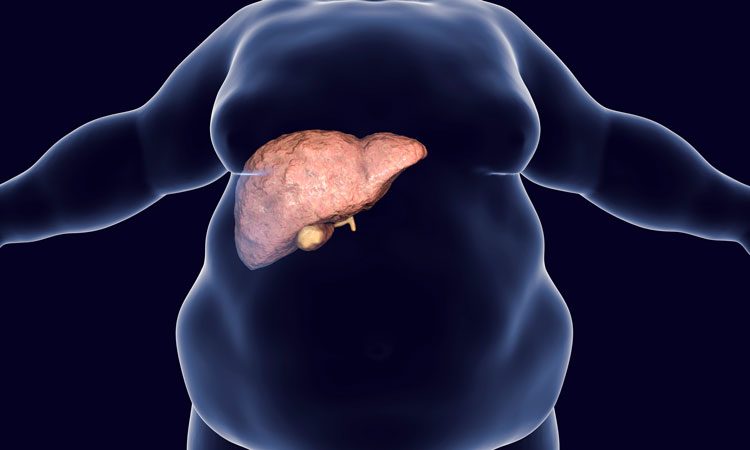
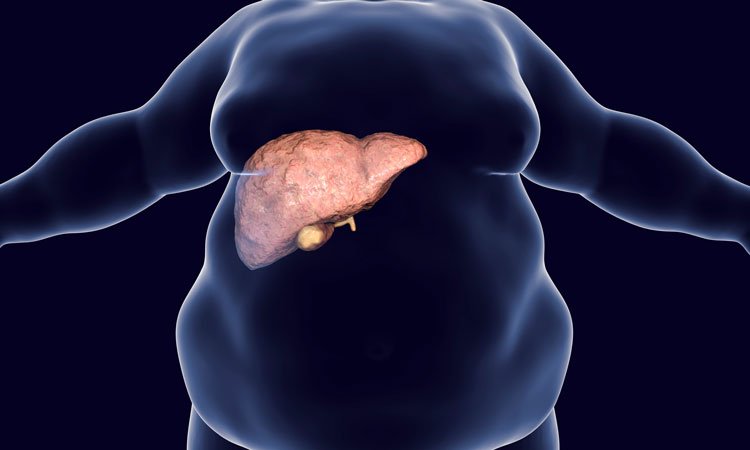
New lab on a chip technology has been developed to evaluate the effects of different drivers of NAFLD on liver cells.
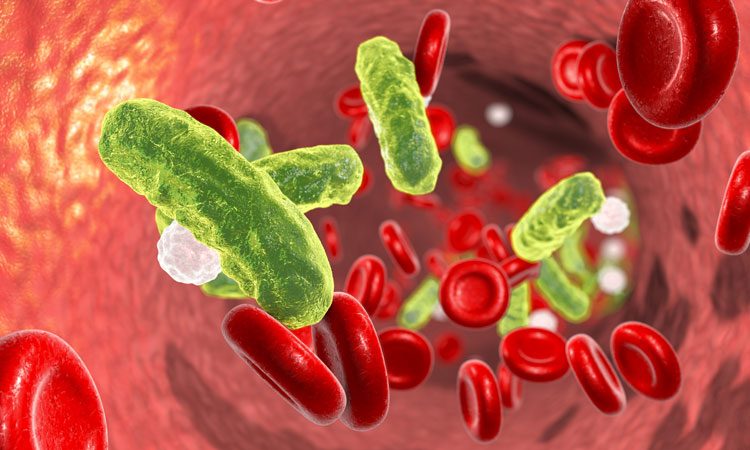
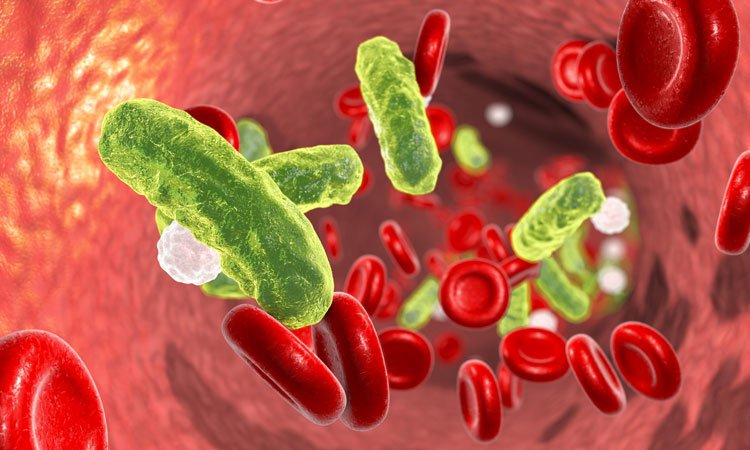
The gut microbiota has been linked to organ damage in patients with sepsis suggesting targeting intestinal microbiota may help patients' recovery.
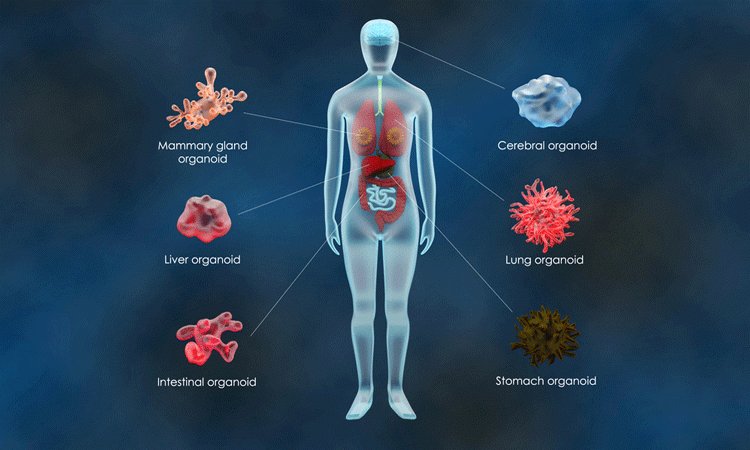
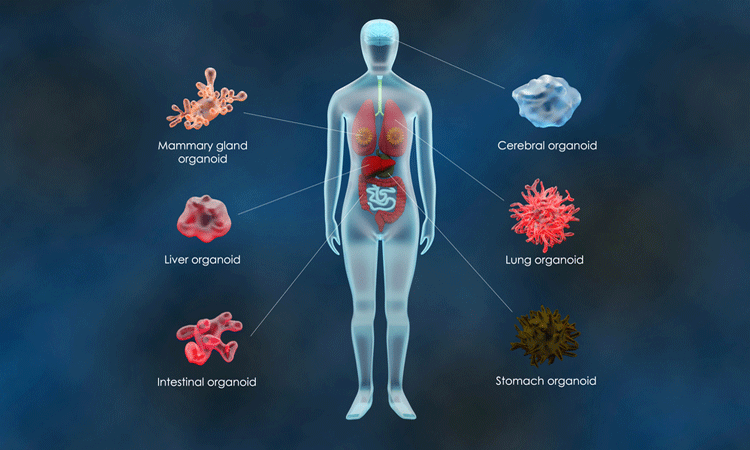
Dr Shona Lang investigates the advantages and disadvantages of using organoids within R&D, highlighting the most important questions to ask before using these models.
Researchers have discovered that a rare muscle disease causes resistance to HIV-1 infection in patients, providing insight into potential therapies.
Researchers have found that inhibiting a kinase in mice leads to the death of prostate cancer cells, providing a potential therapeutic target.
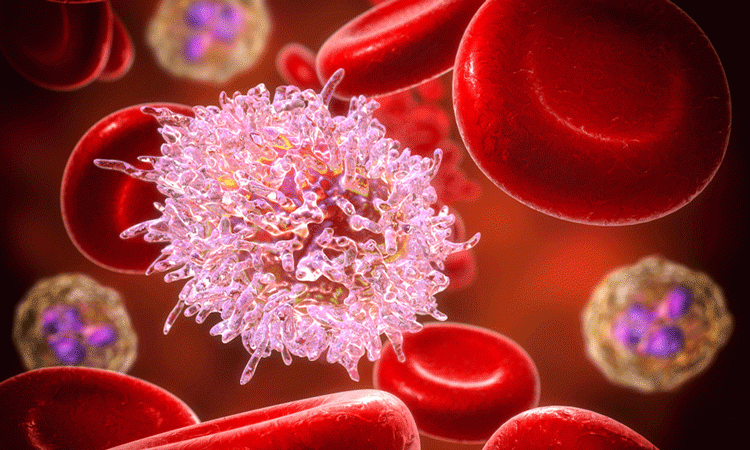
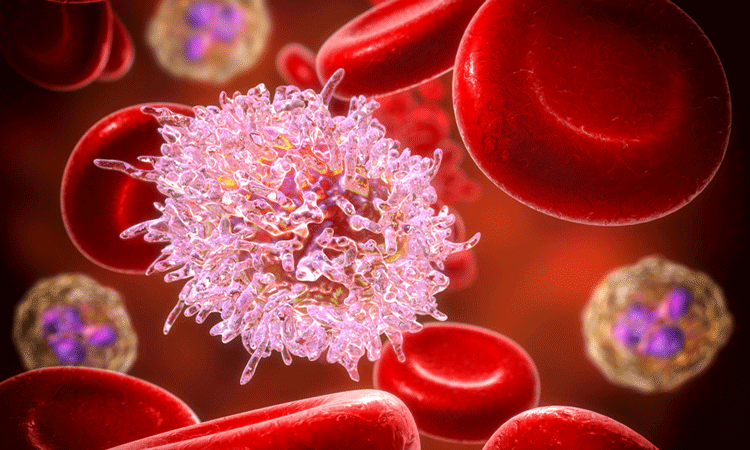
Researchers have found a molecule, which when deleted, increases leukaemia sensitivity to natural killer cells and is a drug target.
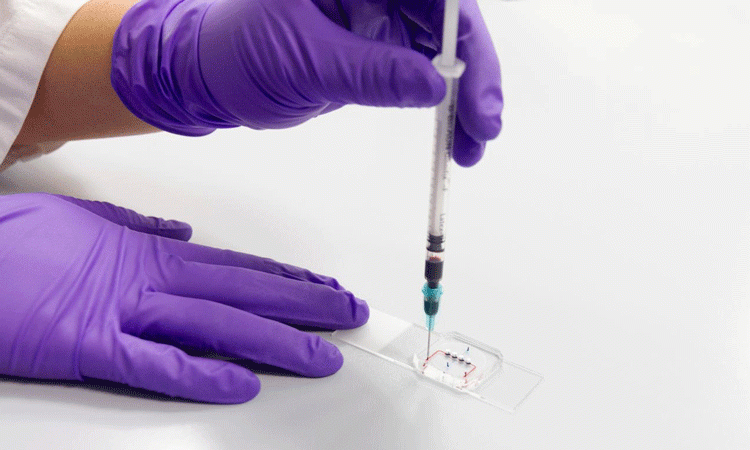
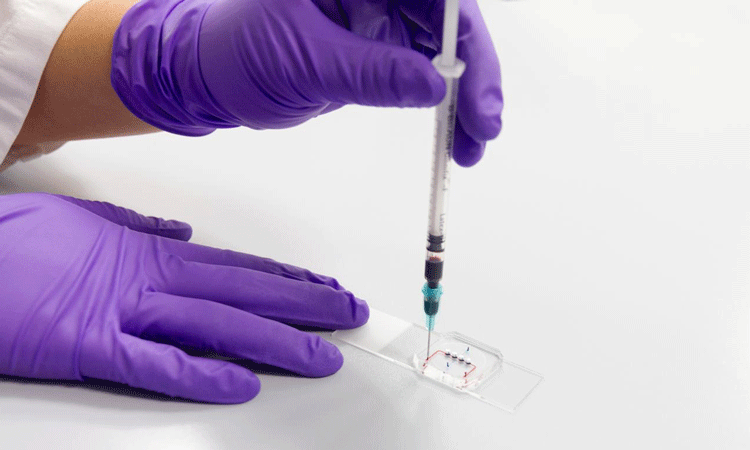
Combining organoid and organ-on-a-chip technologies, researchers have created a model which will allow them to study eye diseases and treatments for the retina.
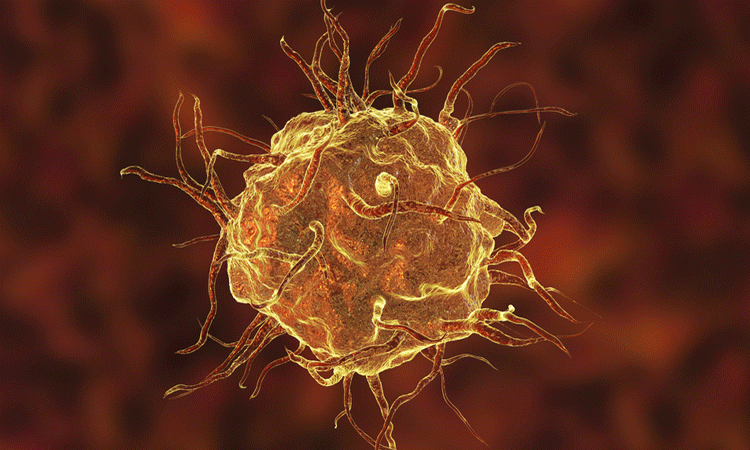
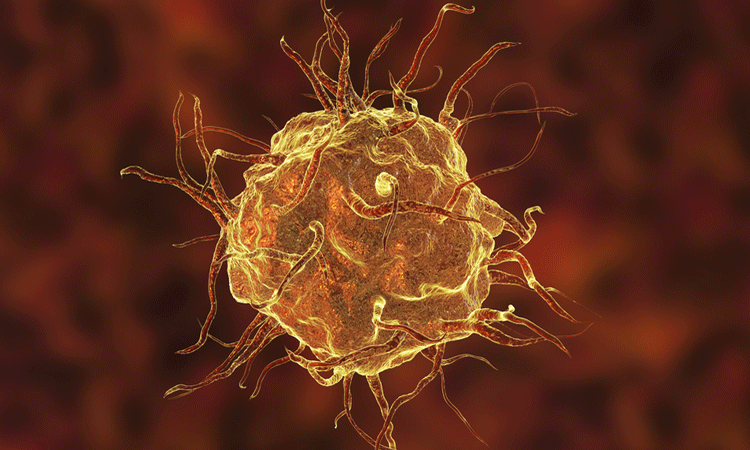
A study has found that removing a particular kind of macrophage enables the immune system to attack tumours, providing a potential drug target.
