


news
New biological targets could lead to therapies for drug-resistant cancers
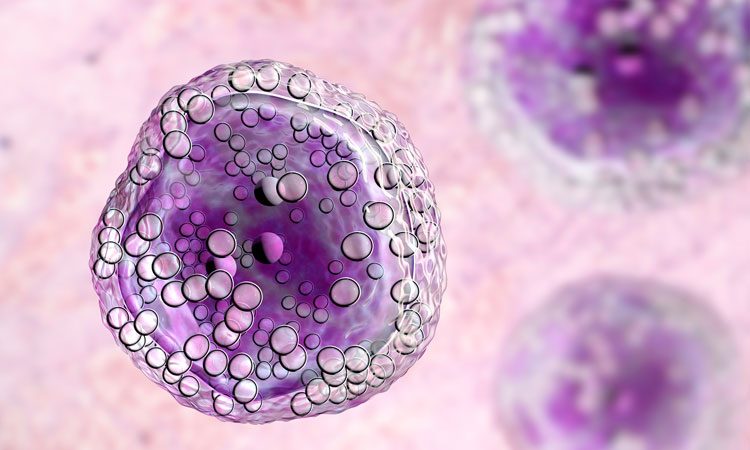
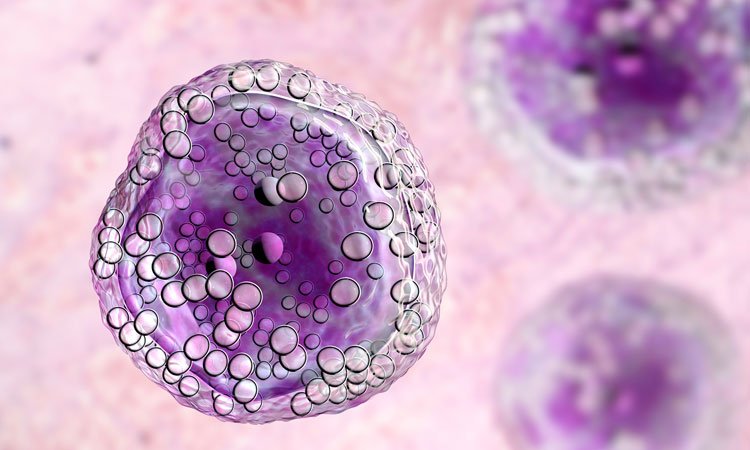
A study on how Polycombs regulate cellular identity could lead to alternative treatments for patients with drug-resistant cancer.
List view / Grid view
A drug target is anything within a living organism to which a drug is directed and/or binds, resulting in a change in its behaviour or function.
A study on how Polycombs regulate cellular identity could lead to alternative treatments for patients with drug-resistant cancer.
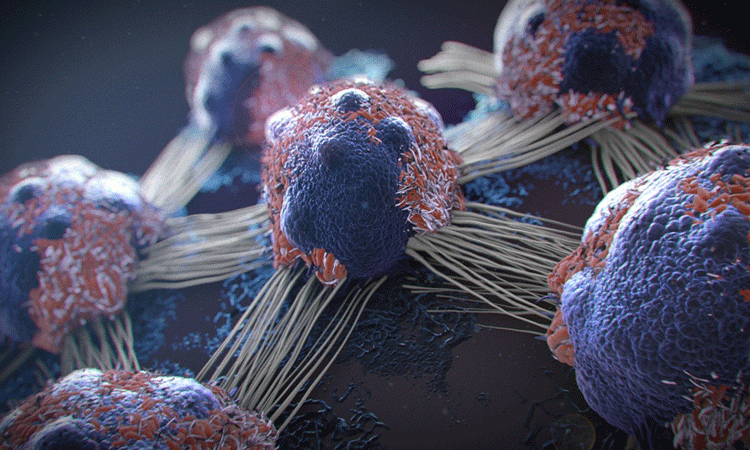
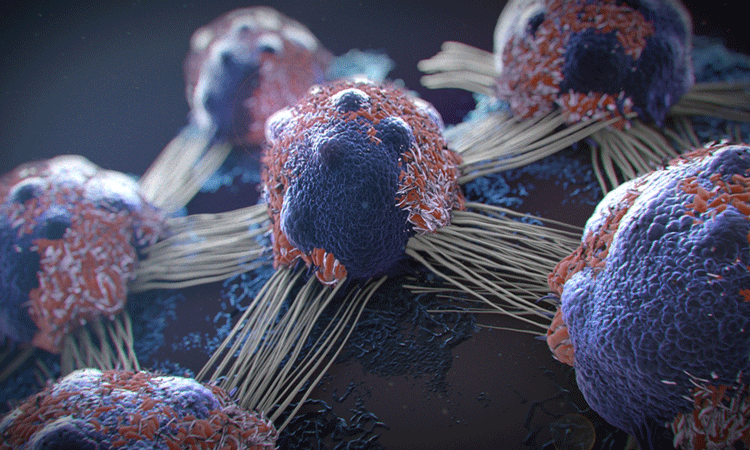
A research team have identified a protein that binds breast cancer cells together, allowing them to metastasise, which could be significant in the development of cancer therapies.
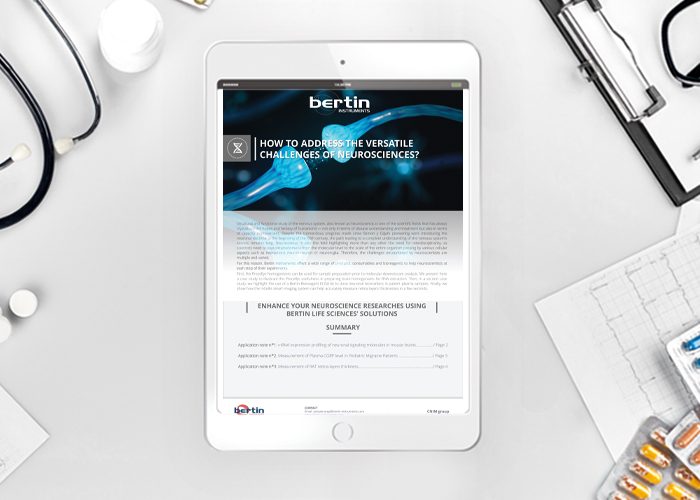
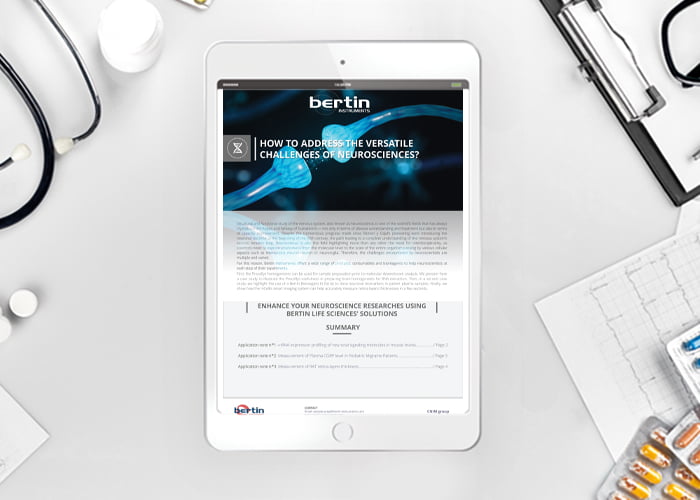
Structural and functional study of the nervous system, also known as Neuroscience, is one of the scientific fields that has always crystallized the hopes and fantasy of humankind - not only interms of disease understanding and treatment but also in terms of capacity improvement.
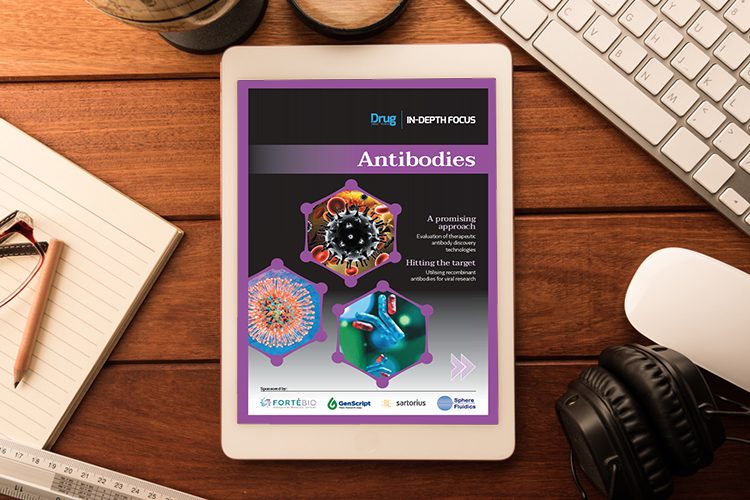
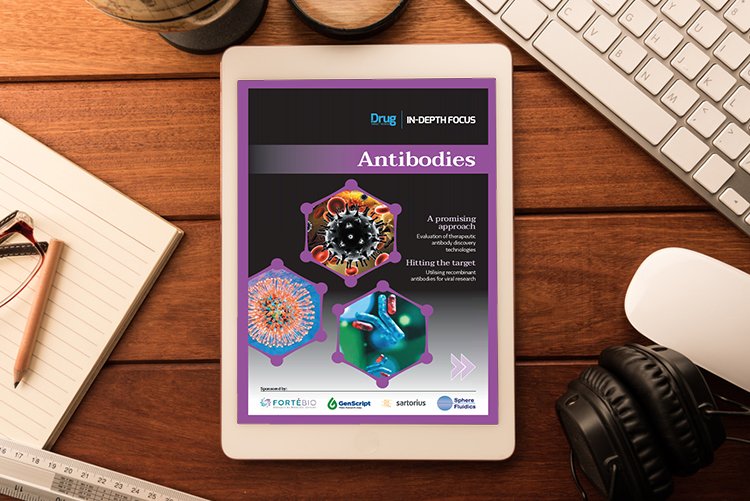
The articles in this antibodies In-Depth Focus assess the methods used to develop antibody therapeutics and the evolution of this area of medicine to identify drug targets.
A clinical study comparing liquid and tissue biopsies finds multiple resistance mechanisms in individual patients.

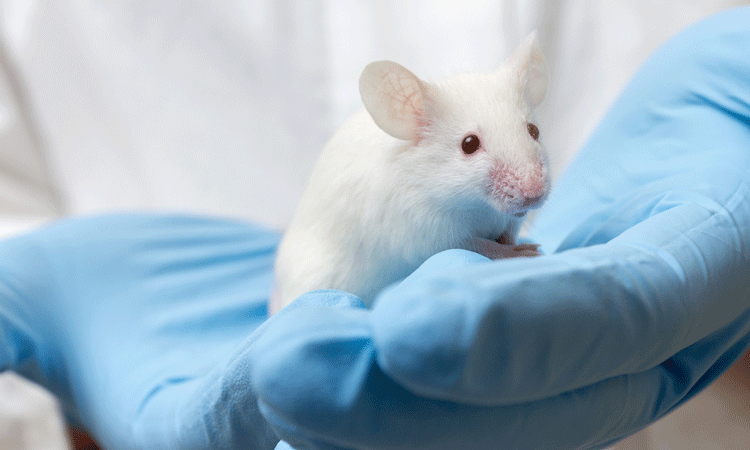
Using mice models in late adolescence, researchers have successfully treated schizophrenia which could help develop therapies for the condition.
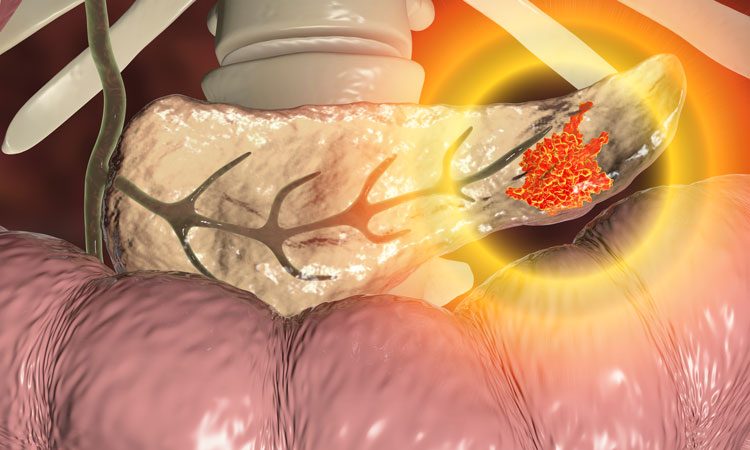
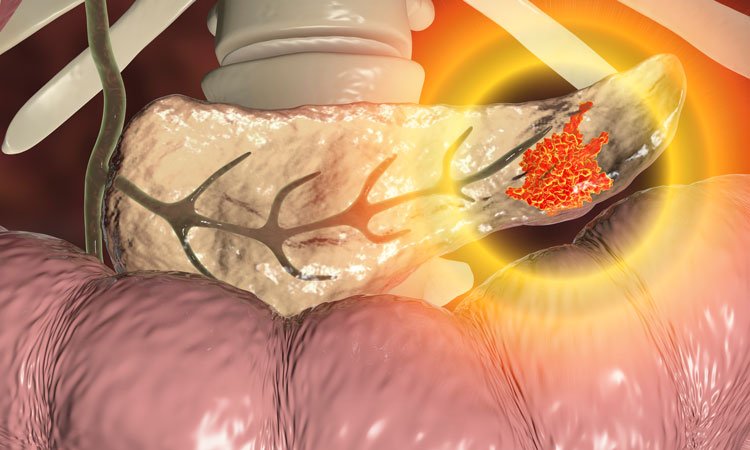
Researchers have developed a new cocktail of drugs that shrink pancreatic tumours in mice by blocking pathways that cancer cells use.
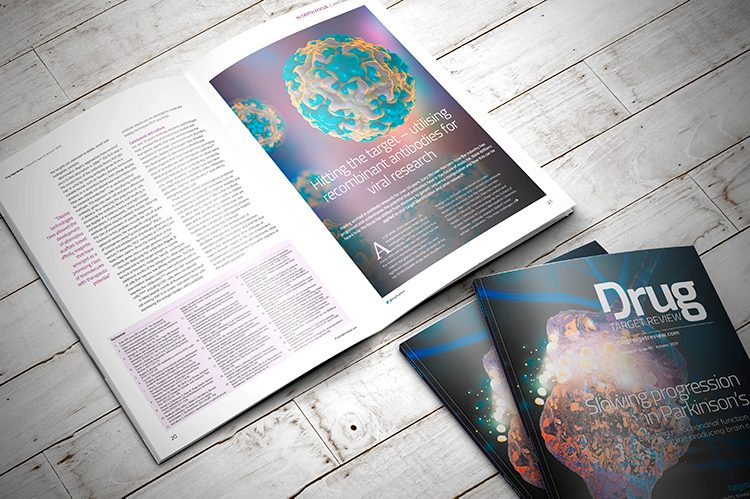
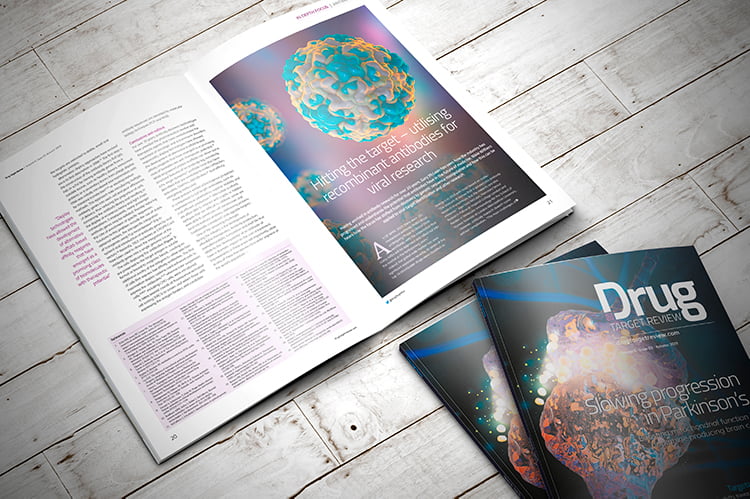
This issue includes an investigation into utilising recombinant antibodies for research, a highlight on protein design using computational methods and an examination of the advances in genomic medicine. Also in the issue are articles on next generation sequencing and upstream bioprocessing.


This article highlights five of the latest findings that could be used in the development or design of new therapies to treat Parkinson’s disease.
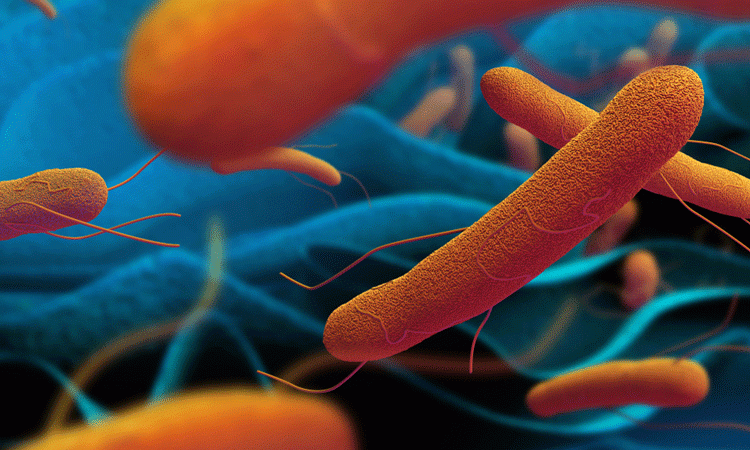
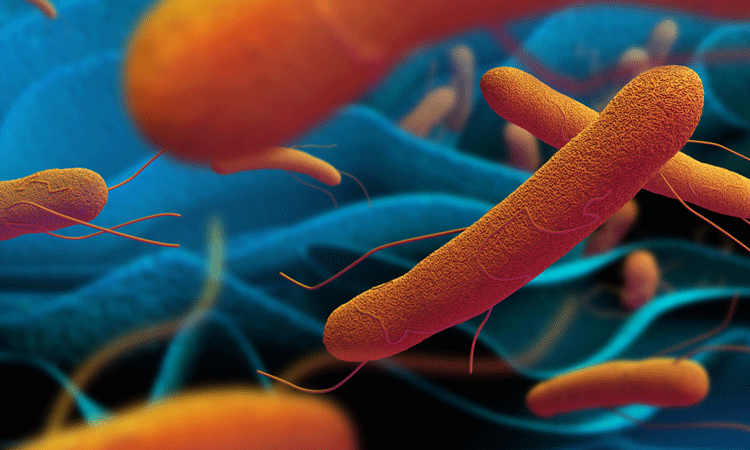
The process of Salmonella typhi to damage DNA has been revealed by researchers at the University of Sheffield which could inform treatments.
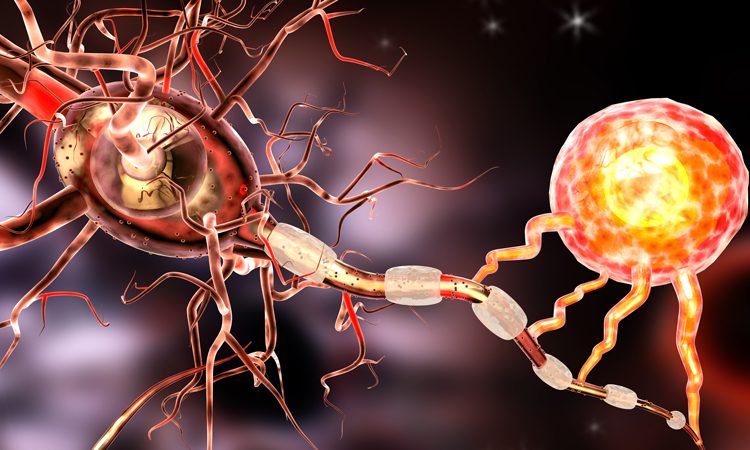
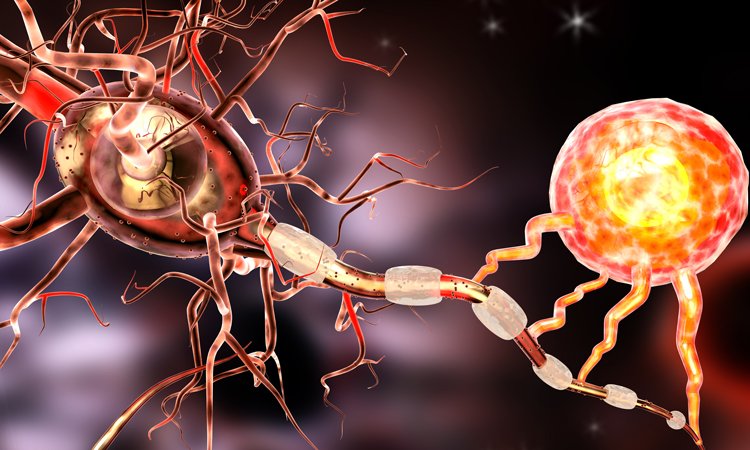
A compound that promotes the rebuilding of the protective sheath around nerve cells damaged in multiple sclerosis has been developed.
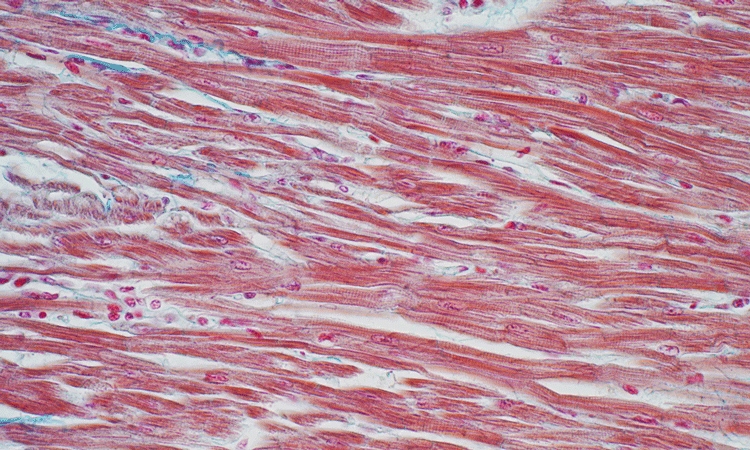
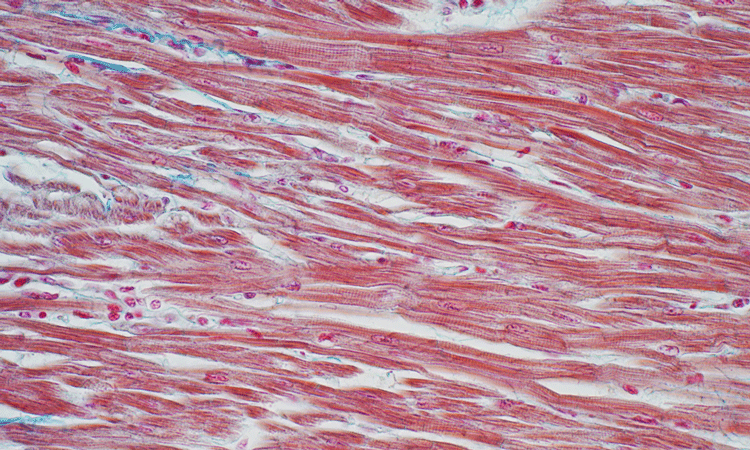
A research team has found that blocking a particular kinase in a mouse model of arrhythmogenic cardiomyopathy led to improved survival rates.
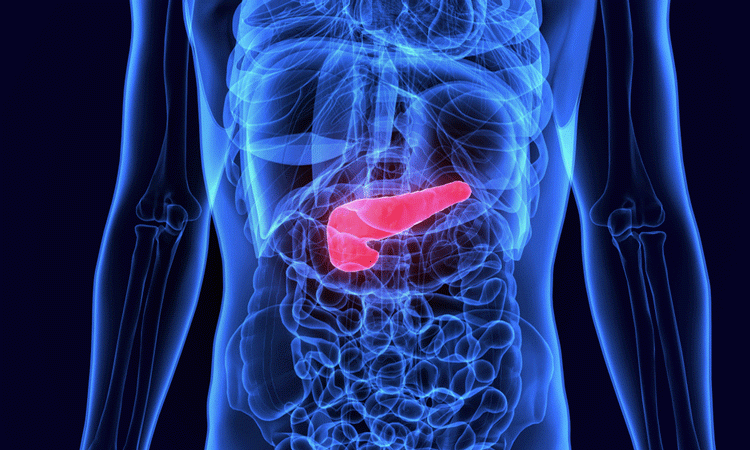
A protein that causes pancreatic ductal adenocarcinoma has been identified as a therapeutic target by researchers.
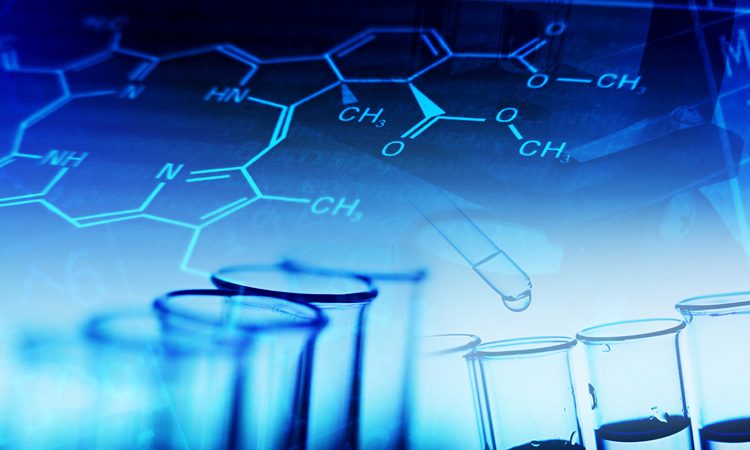
An algorithm has been developed which can predict the outcomes of complex chemical reactions with over 90 percent accuracy which can be applied to drug development.

Researchers have created a vaccine to treat and prevent streptococcal toxic shock syndrome which showed success in mice models.
