


news
Molecular technique could provide key for SARS-CoV-2 drug discovery
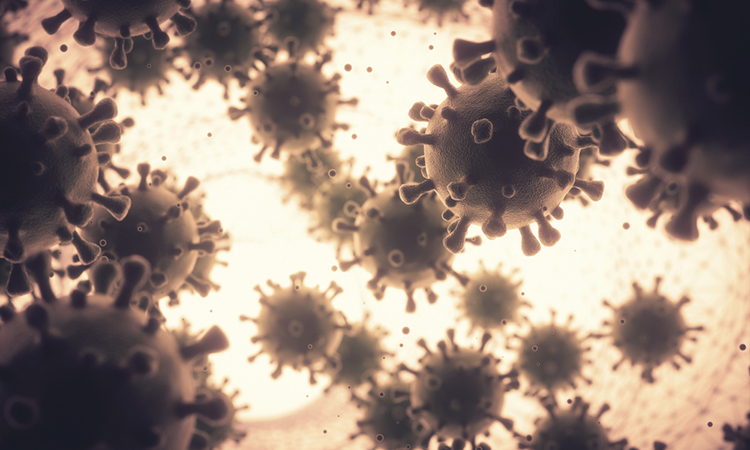
Researchers are using a new method to isolate the complex between SARS-CoV-2 and the ACE2 receptor to keep it embedded in the cell membrane.
List view / Grid view
Researchers are using a new method to isolate the complex between SARS-CoV-2 and the ACE2 receptor to keep it embedded in the cell membrane.
The UK Government will give £18.5 million in funding to four studies researching the causes and potential treatments of long COVID.
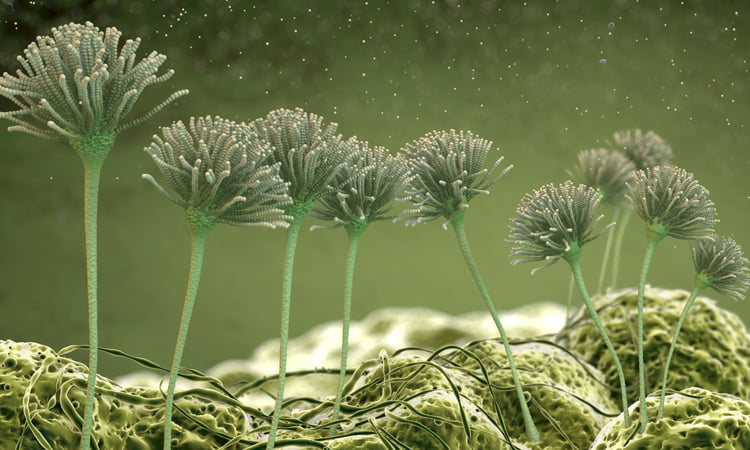
Researchers have studied how the human body responds to viral infection when already infected by fungi, offering insights into the immune system.
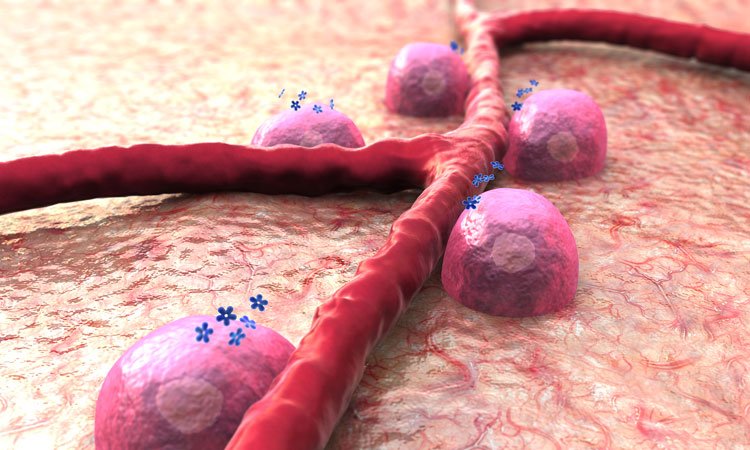
A key receptor has been examined for the first time at high resolution which could lead to better treatments for conditions such as type 2 diabetes.
Molecules made by immune cells to transport sodium lactate could be a target for treatment to stop the lactate build-up in chronic inflammatory disorders.
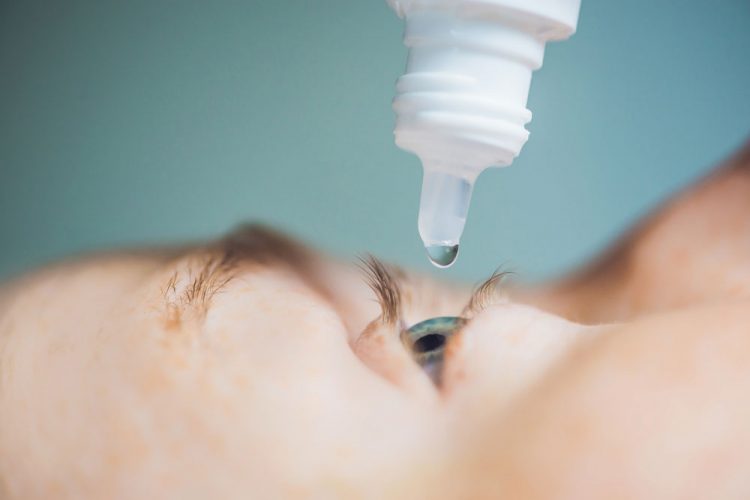
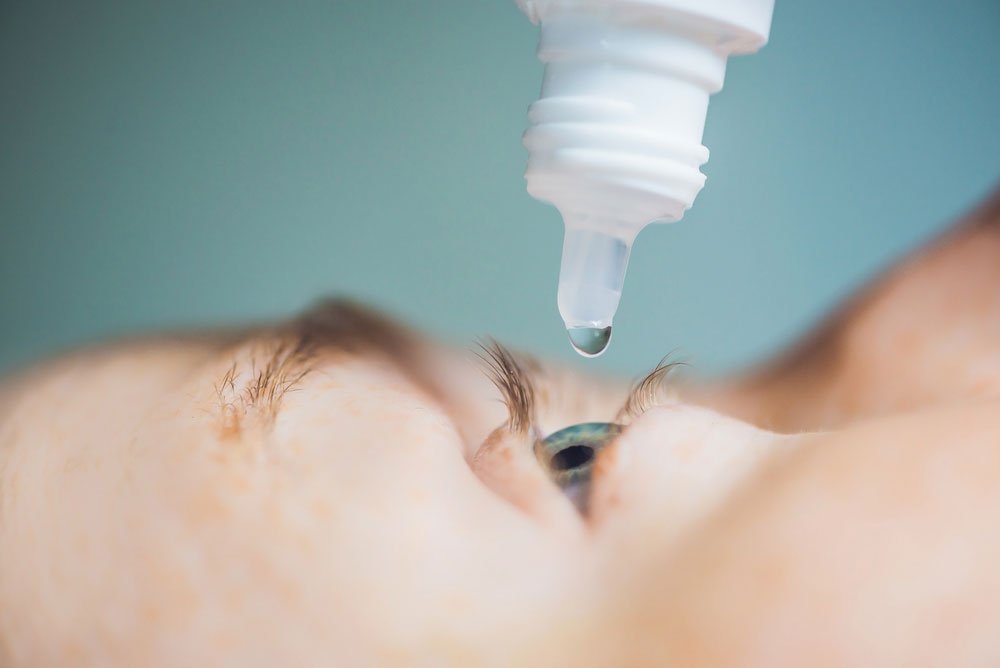
Scientists are one step closer to developing an eye drop that could revolutionise treatment for age-related macular degeneration (AMD)...
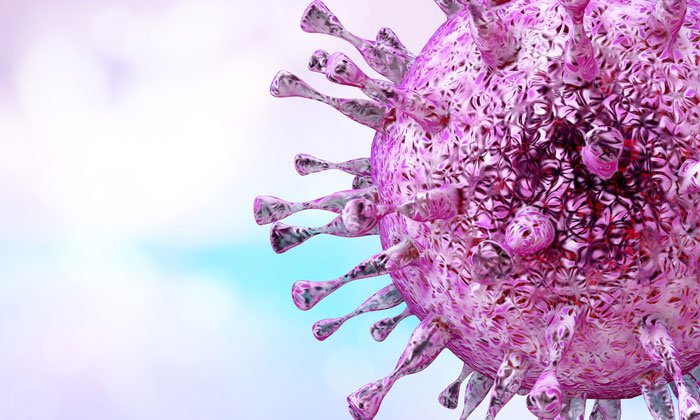
Research led by the University of Birmingham has identified a novel unconventional type of immune cell capable of fighting viral infections.

Researchers at the University of Birmingham have identified inflammatory biomarkers which indicate whether the brain has suffered injury.
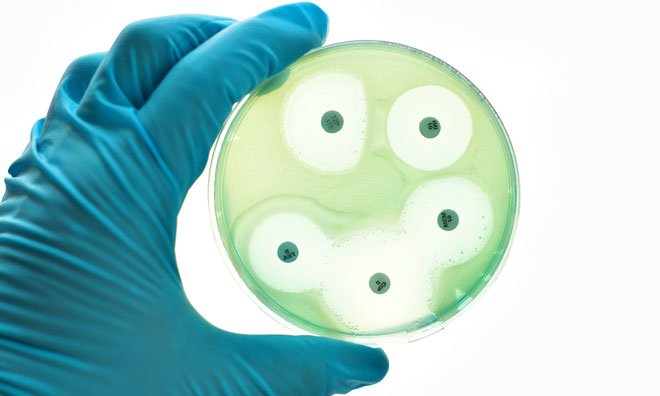
Scientists have discovered a link between a major mechanism of antibiotic resistance and resistance to the common disinfectant triclosan...

Scientists have discovered the link between increased male hormones and metabolic complications such as diabetes and fatty liver disease in patients with polycystic ovary syndrome (PCOS).

Researchers have found that a type of protein could hold the secret to suppressing the growth of breast cancer tumours.
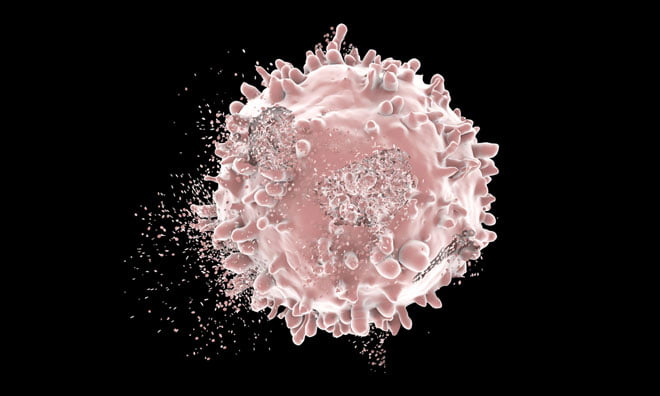
A study led by the University of Birmingham has made a breakthrough in the understanding of how different genetic mutations cause acute myeloid leukaemia.
