


whitepaper
Product hub: Experience flexibility in your primate studies
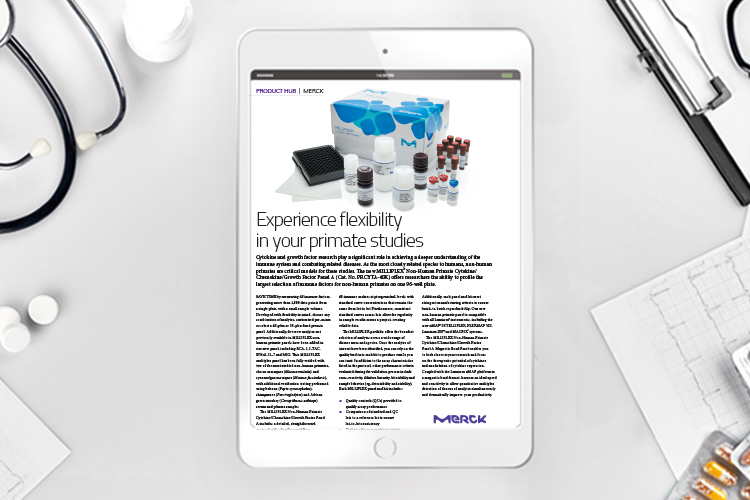
Save time by measuring 48 immune factors, generating more than 1,800 data points from a single plate, with a small sample volume.
List view / Grid view
Save time by measuring 48 immune factors, generating more than 1,800 data points from a single plate, with a small sample volume.

A class of lipids – or fatty acids – found in the retina of the eye play an important role in maintaining vision. Victoria Rees, Deputy Editor of Drug Target Review, spoke with Dr Paul Bernstein from the Moran Eye Center at the University of Utah, US, to discover how…


The basic premise of drug discovery screening necessitates that the biological assays upon which it depends can be performed in a reproducible manner. In addition, the techniques employed must generate results that are biologically relevant and actionable.


This Assays In-Depth Focus looks at applications of high content screening in autophagy, and complex biology for the precision medicine era.
Assessing targets that are unable – or rather, extremely difficult – to reach pharmacologically, has prevented researchers from achieving desired clinical successes, most notably in the realm of cancer research. However, many advances are being made to shedlight on these difficult yet desirable target areas.


Your comprehensive guide to multiplex and single protein detection...
The pursuit of improved R&D productivity rates coupled with decreased cycle times has dominated pharmaceutical discourse in recent years.

This In-Depth Focus reviews the history of cancer treatments, looks at improving the translation of disease biology though phenomics, and considers how to enhance cell bioprocessing through cell-based combinatorial culture.
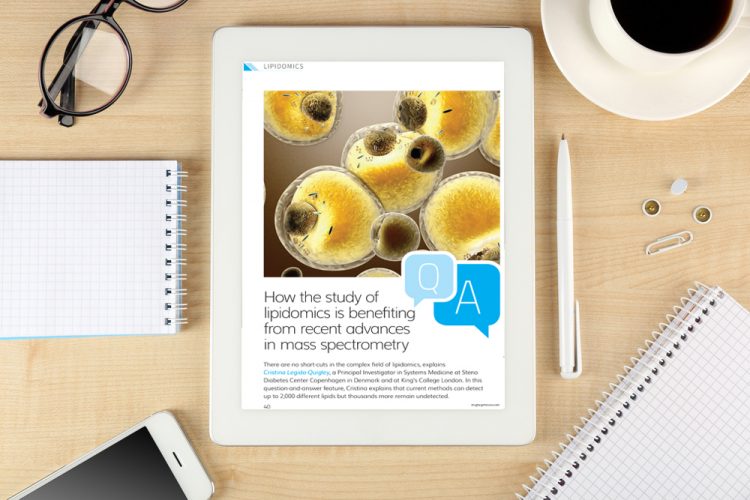

There are no short-cuts in the complex field of lipidomics, explains Cristina Legido-Quigley, a Principal Investigator in Systems Medicine at Steno Diabetes Center Copenhagen in Denmark and at King’s College London.

Predictiveness is one of the key factors for success in the drug discovery workflow. Many compounds fail at late stages due to lack of predictive data or the discovery of unwanted side effects.
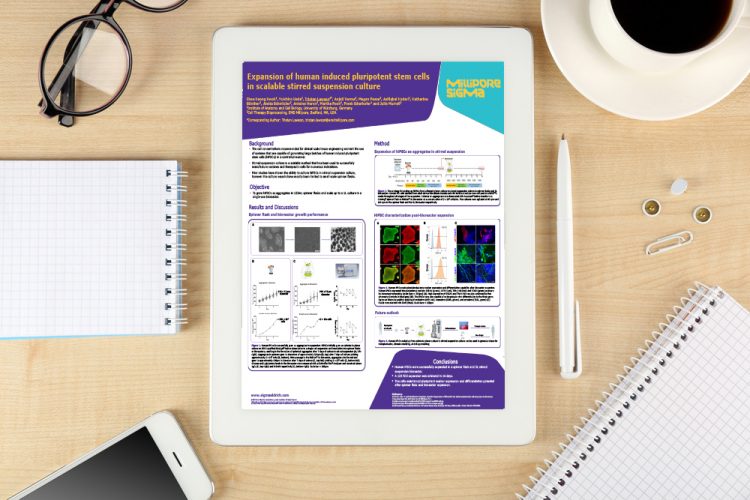
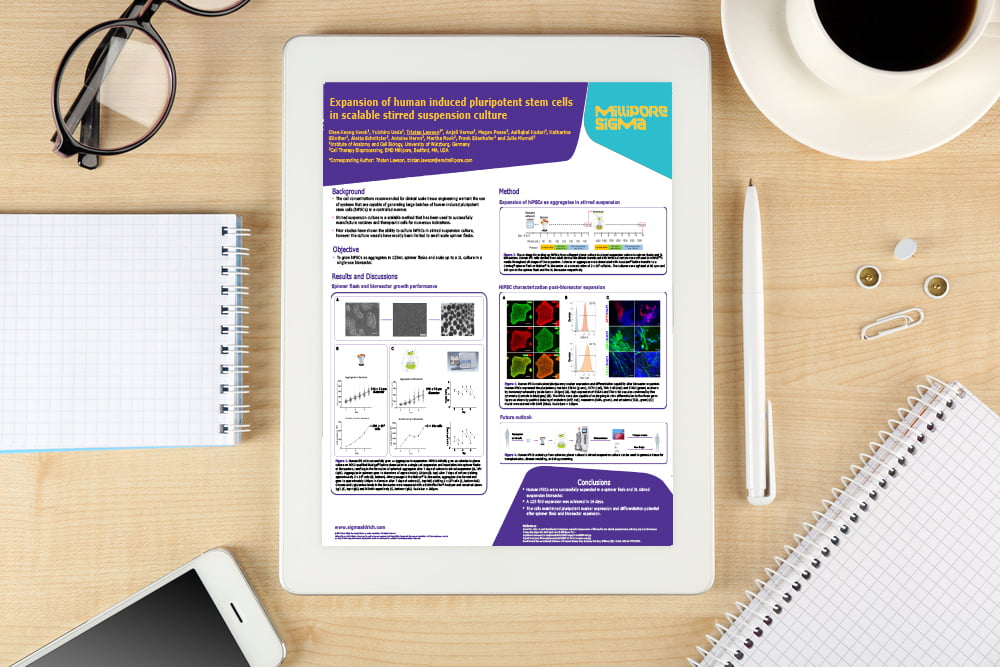
12 January 2018 | By MilliporeSigma
Expansion of hiPSCs as aggregates in stirred suspension...
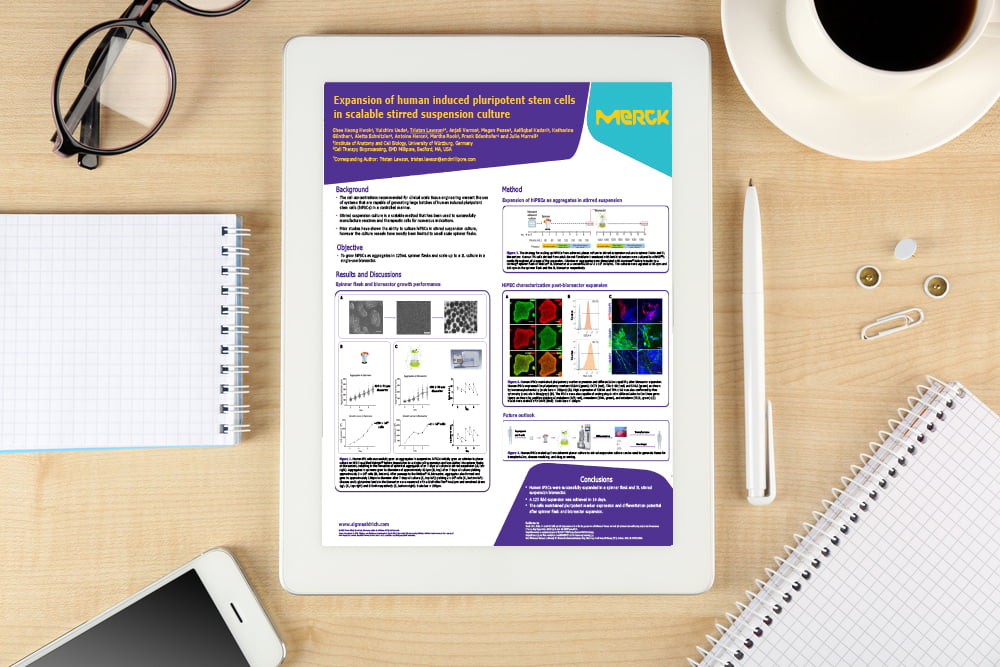
12 January 2018 | By Merck
Expansion of hiPSCs as aggregates in stirred suspension...
Failing early in drug discovery is the primary driving force for new techniques in the hit-to-lead phase.
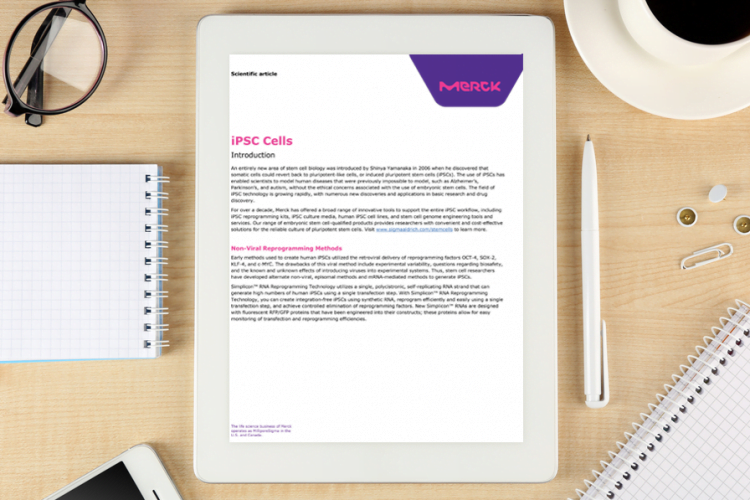
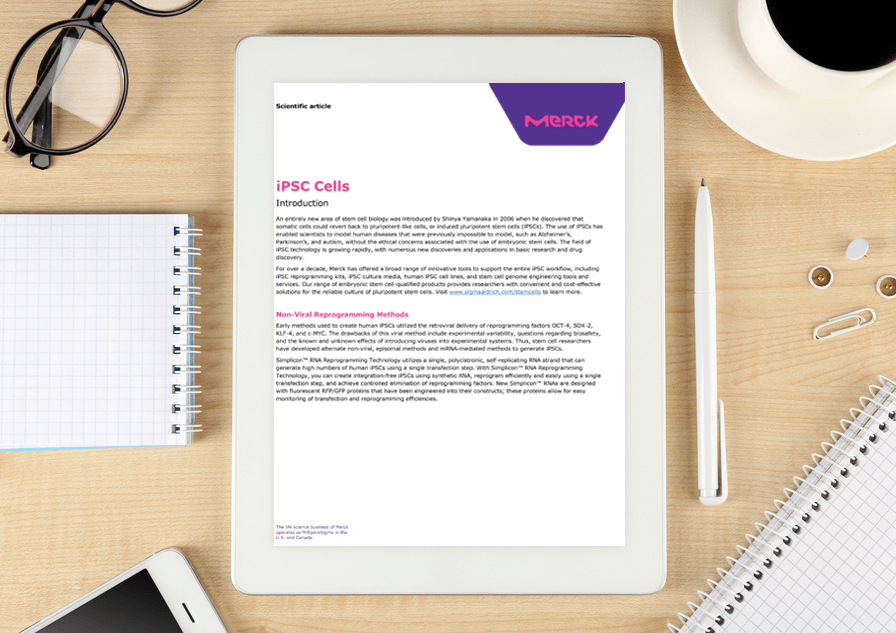
An entirely new area of stem cell biology was introduced by Shinya Yamanaka in 2006 when he discovered that somatic cells could revert back to pluripotent-like cells, or induced pluripotent stem cells (iPSCs).

In this In-Depth Focus we look at a pragmatic approach to hit validation following biochemical high-throughput screening as well as identification of hits and leads for human African trypanosomiasis.
