



whitepaper
Whitepaper: Addressing the challenges in biologics discovery with advanced flow cytometry
Biologics represent a growing class of drugs with indications in oncology, chronic inflammation, and autoimmune diseases.
List view / Grid view
Biologics represent a growing class of drugs with indications in oncology, chronic inflammation, and autoimmune diseases.
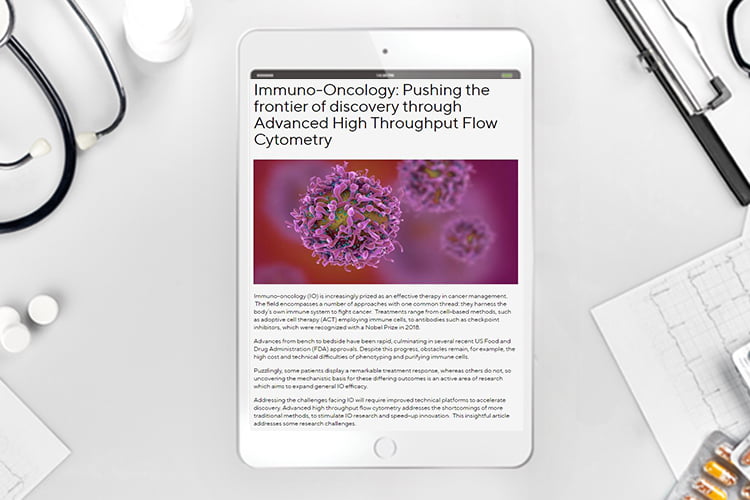
Immuno-oncology (IO) is increasingly prized as an effective therapy in cancer management.

Modulating the TCR signaling pathway using biologics, small molecules or genetic engineering is highly relevant to many therapeutic areas including cancer immunotherapy, adoptive cell therapy, vaccine development and autoimmune disease.


There is still much to be done regarding how training is delivered and monitored in core technologies such as flow cytometry. Here, Derek Davies outlines the approaches his team at The Francis Crick Institute are taking to train users of such technologies to ensure quality data is obtained and best…


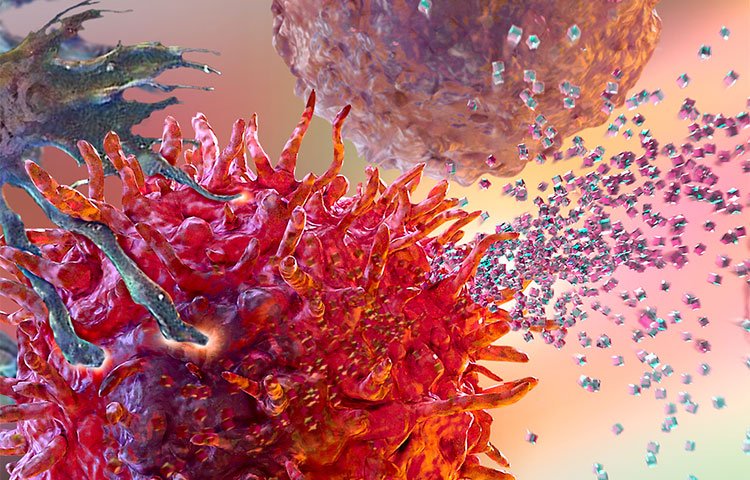
New therapies that direct the immune system to identify and destroy cancer cells, such as CAR-T and immune checkpoint inhibitors, have revolutionised cancer treatment.

This advanced flow cytometry platform is a complete instrument, reagents and software solution streamlined to rapidly generate results not just data.
17 January 2019 | By IntelliCyt, a Sartorius Company
Multiplexed approach to measure T-cell activation, proliferation and quantify cytokine release in a single well


Researchers are always looking more effective and efficient ways of making their work more successful. In this supplement, some of our commercial partners share their data, detailing the application of their technology.

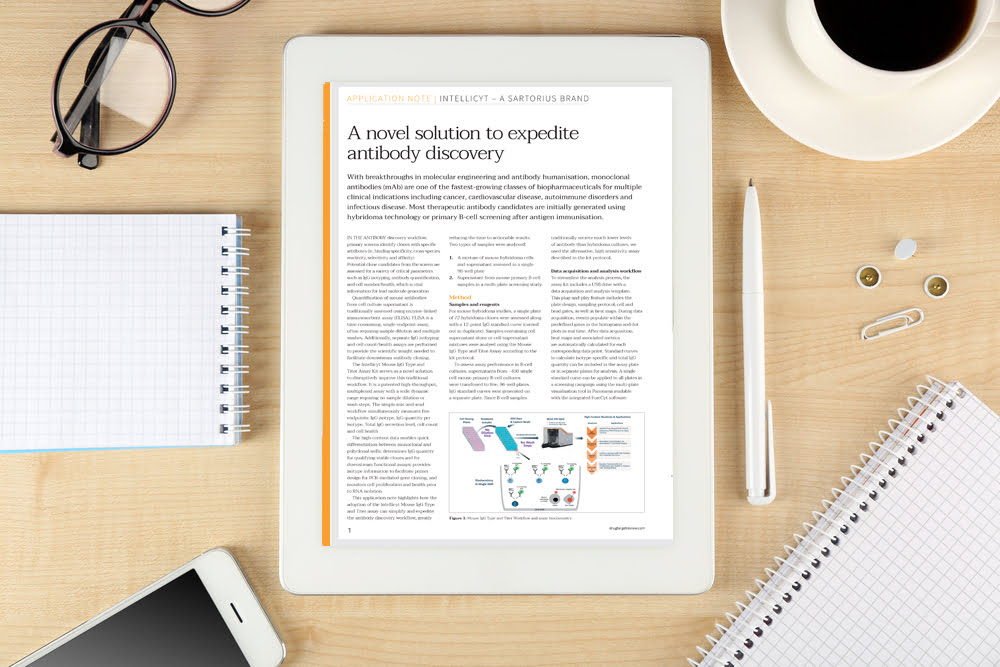
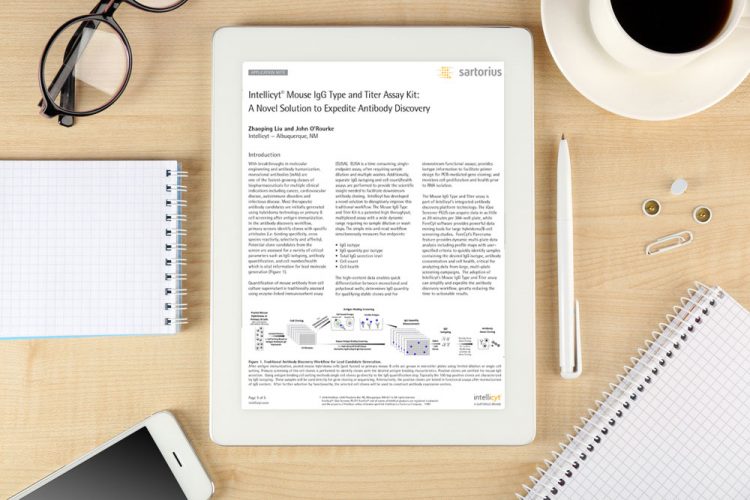
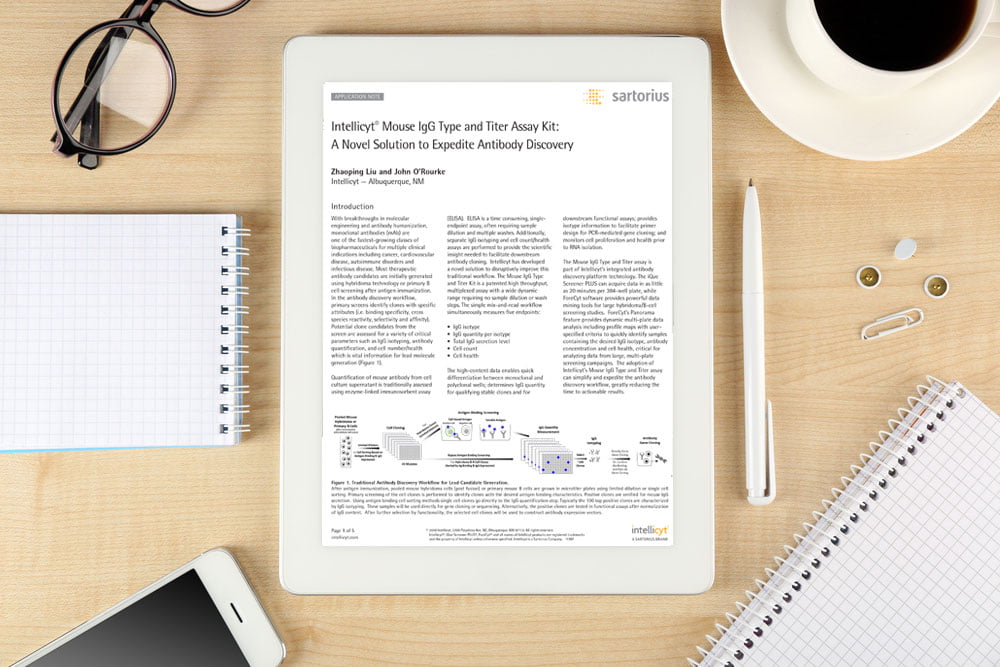
With breakthroughs in molecular engineering and antibody humanisation, monoclonal antibodies (mAb) are one of the fastest-growing classes of biopharmaceuticals for multiple clinical indications including cancer, cardiovascular disease, autoimmune disorders and infectious disease. Most therapeutic antibody candidates are initially generated using hybridoma technology or primary B-cell screening after antigen immunisation.

Flow cytometry is a powerful and flexible technology that delivers high content information from single cells and particles. Flow cytometry lends itself to a wide variety of applications, but traditional flow cytometry technologies are not widely adopted in the drug discovery industry due to limited throughput, slow sampling speeds and…
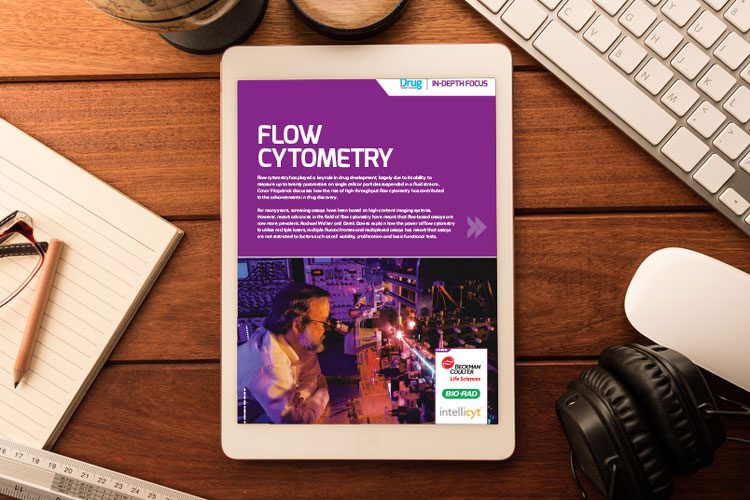
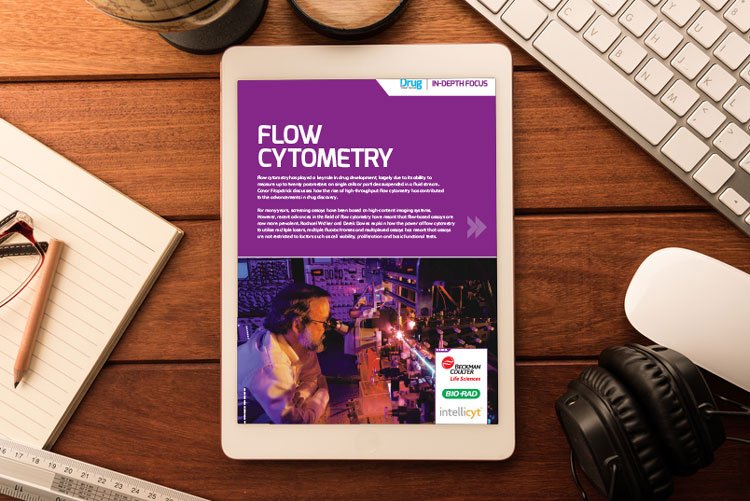
Flow cytometry has played a key role in drug development, largely due to its ability to measure up to twenty parameters on single cells or particles suspended in a fluid stream. Conor Fitzpatrick discusses how the rise of high-throughput flow cytometry has contributed to the advancements in drug discovery...

Biologics are the fastest growing class of therapeutics in the biopharmaceutical industry. A key driver for this growth is success with anti-cancer immunotherapeutics such as checkpoint modulation, adoptive cell therapy and bispecific T-cell engagers. While these approaches use different tactics to attack tumours, they often employ monoclonal antibodies to target…
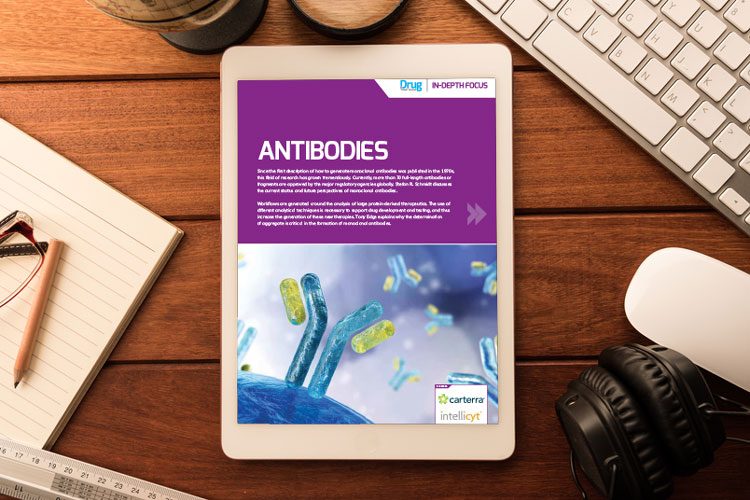
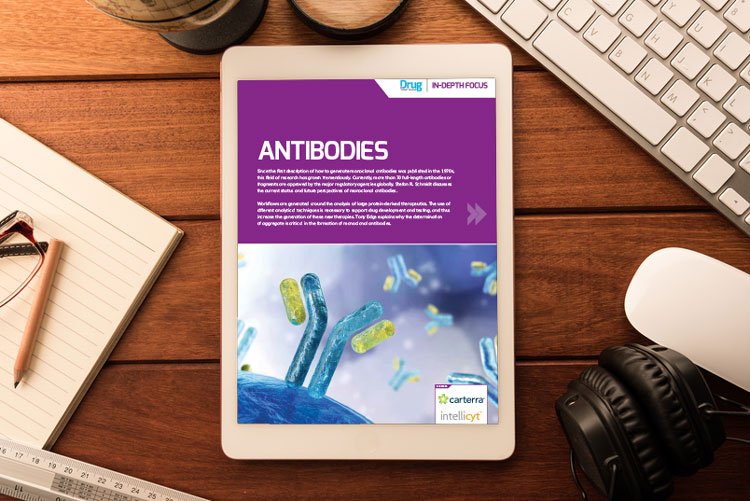
In this In-Depth Focus, Stefan R. Schmidt discusses the current status and future perspectives of monoclonal antibodies and Tony Edge explains why the determination of aggregate is critical in the formation of monoclonal antibodies.
15 June 2018 | By IntelliCyt
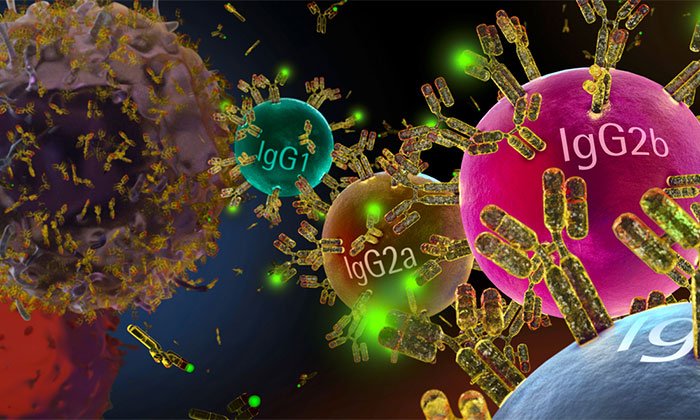
The Intellicyt Mouse IgG Type and Titer Kit is a high throughput, multiplexed assay kit that enables analyses of isotype, titer and cell health in a single assay...
Analyse isotype titer and cell health in one assay...
