


$9 million grant awarded to uncover whether Parkinson’s starts in the nose
Posted: 29 October 2021 | Anna Begley (Drug Target Review) | No comments yet
A new grant will allow an international team to determine if scent-processing nerves in the nose play a role in the development of Parkinson’s and could aid in the development of novel therapeutics.
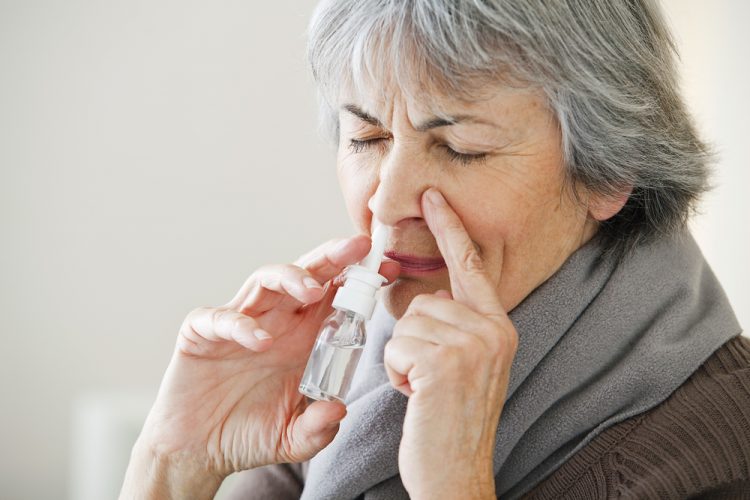
The Aligning Science Across Parkinson’s (ASAP) initiative has awarded a $9 million grant to an international team led by the University of Ottawa, Canada, to investigate whether scent-processing nerves that connect the inside of the nose to the brain may play a role in the development of Parkinson’s disease.
“While current treatments can help control some symptoms of Parkinson’s, we cannot stop this disease or even slow it down,” explained team leader Professor Michael Schlossmacher. “This grant will allow us to explore an understudied but important aspect of Parkinson’s, which could lead to new approaches for early treatment and prevention.”
The team includes researchers from Germany and the US and will investigate possible links between environmental exposures in the nasal cavity, inflammation, odour processing centres in the brain and Parkinson’s-related genes, in both animal models and people.
Drug Target Review has just announced the launch of its NEW and EXCLUSIVE report examining the evolution of AI and informatics in drug discovery and development.
In this 63 page in-depth report, experts and researchers explore the key benefits of AI and informatics processes, reveal where the challenges lie for the implementation of AI and how they see the use of these technologies streamlining workflows in the future.
Also featured are exclusive interviews with leading scientists from AstraZeneca, Auransa, PolarisQB and Chalmers University of Technology.
“We will test the idea that certain environmental triggers, such as viruses, may be able to start a chain reaction in the odour-sensing cells in the nose, resulting in the formation of clumps of a protein called alpha-synuclein,” Schlossmacher elaborated. “If so, we theorise that this process could gradually spread via connections throughout the brain, thereby promoting Parkinson’s, especially in people with multiple risk factors for the disease.”
NEWS: Promising pre-clinical data announced for Parkinson’s drug – READ HERE
More than 80 percent of people with Parkinson’s disease suffer from a reduced sense of smell which often occurs years before the onset of typical movement-related symptoms. “If Parkinson’s does start in the nasal cavity, we might be able to detect early signs of the disease in nasal secretions,” added Dr Brit Mollenhauer, neurologist and associate professor at University Medical Center Goettingen, Germany. “Such a fluid-based biomarker would be invaluable for diagnosis and monitoring of Parkinson’s disease, as well as for clinical trials of new therapies.”
Related topics
Biomarkers, Disease research, Funding, In Vivo, Neurosciences, Therapeutics
Related conditions
Parkinson's disease
Related organisations
University Medical Center Goettingen, University of Ottawa
Related people
Dr Brit Mollenhauer, Dr Julianna Tomlinson, Professor Michael Schlossmacher
